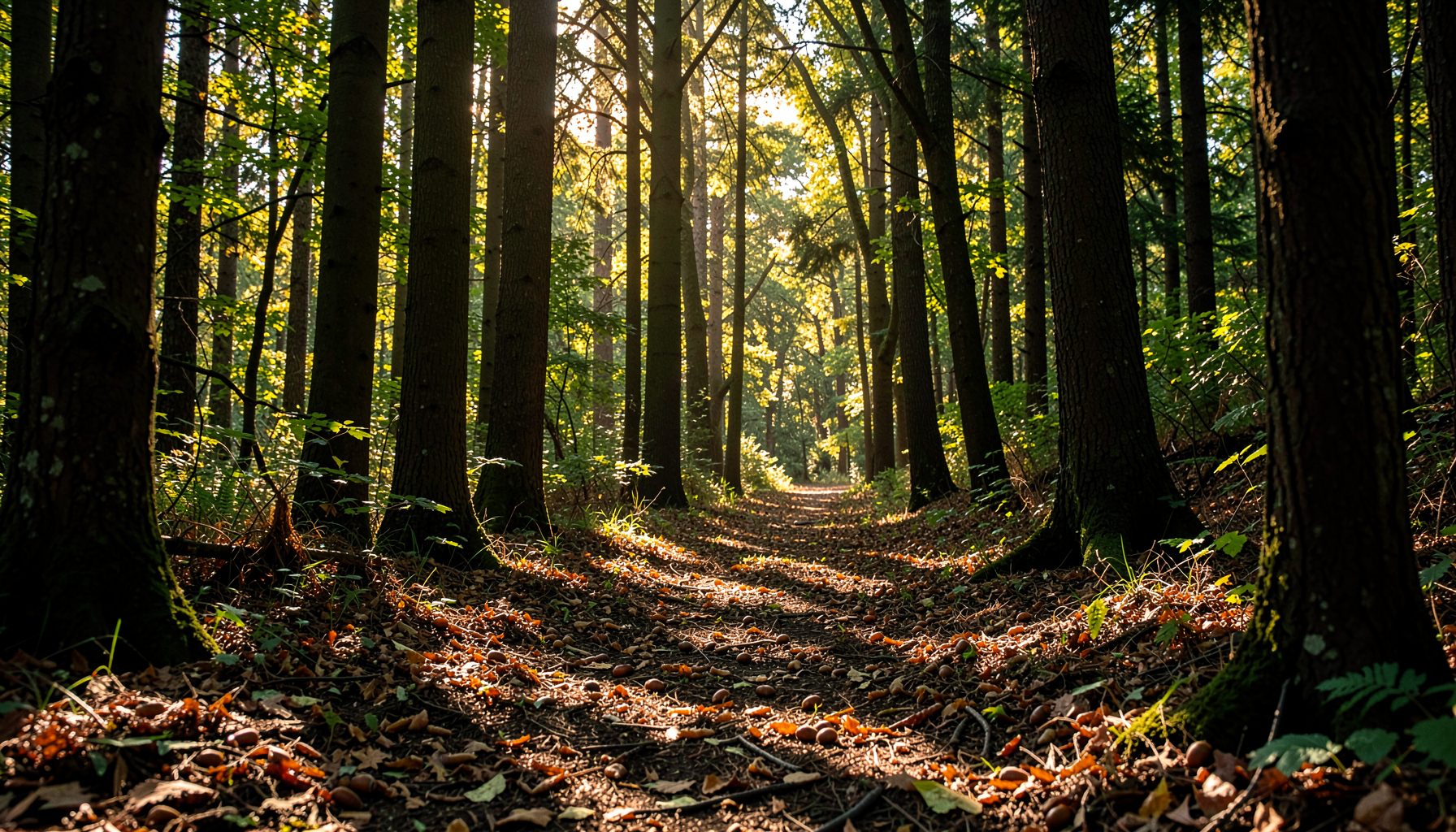
Why Riverbank Restoration Depends on Native Seed Sources
Healthy riverbanks are more than strips of vegetation beside flowing water. They are living systems that filter runoff, hold soil in place, provide wildlife habitat, shade streams, and connect forests across the landscape. When these areas are cleared, compacted, or invaded by non-native plants, the effects travel downstream through the entire watershed.
Restoration begins with planting, but the quality and origin of planting material determine much of the long-term result. Native seeds collected from suitable local habitats carry genetic traits shaped by regional soils, seasonal weather, insects, diseases, and hydrology. That local connection gives new trees and shrubs a stronger foundation as they face the conditions of a recovering river corridor.
In the Potomac River watershed, collecting acorns, walnuts, and other native hardwood and shrub seeds creates a direct link between community action and future forest health. A seed gathered today may eventually become a streamside tree that reduces erosion, cools the water, and supports generations of wildlife.
Riverbanks Are Living Infrastructure
Riverbank forests perform practical work that built infrastructure cannot fully replace. Tree roots bind soil along the water’s edge, while fallen leaves and woody debris slow runoff and create habitat. Canopies reduce summer water temperatures by shading streams, an important benefit for aquatic insects, fish, amphibians, and other organisms sensitive to heat.
Vegetated buffers also intercept nutrients and sediment before they reach the channel. During heavy rain, a healthy floodplain can absorb and spread water across a broader area, reducing the force concentrated against the bank. The result is cleaner water, greater stream stability, and improved resilience during storms.
A restored corridor needs a layered plant community rather than a row of identical trees. Native oaks, hickories, walnuts, maples, dogwoods, viburnums, and other species contribute different root structures, growth patterns, food sources, and habitat features. This diversity helps the riverbank function as an ecosystem instead of a temporary landscaping project.
Local Genetics Strengthen Watershed Restoration
Native plants are adapted to the environmental patterns of their region. Seed sources from the Potomac watershed may be better aligned with its clay soils, flood cycles, summer heat, winter temperatures, and rainfall patterns than plants raised from distant populations. The advantage is not that every local seed will thrive, but that the overall population carries relevant adaptations.
Genetic diversity matters alongside geographic suitability. Collecting from many healthy parent trees produces a broader pool of traits, which can improve the ability of future seedlings to withstand drought, flooding, pests, and disease. A restoration program that gathers seed from a range of sites can support resilient plantings without treating every riverbank as ecologically identical.
The timing and location of collection also matter. Mature seeds should come from vigorous native plants growing in appropriate habitats, away from roadsides or contaminated areas when possible. Careful collection protects parent populations and avoids removing an excessive share of the food available to birds, mammals, and insects.
From Acorn Collection To Streamside Forest
The path from seed to restoration site involves several stages. Volunteers first learn to identify target species and recognize mature, healthy seeds. Acorns, walnuts, and seeds from native shrubs are collected during the proper season, sorted, and handled according to the requirements of each species. Some seeds can be stored, while others need prompt processing or specific moisture and temperature conditions.
State nurseries and other growing facilities turn this community-collected material into seedlings. Nursery staff can provide controlled conditions during the vulnerable early stages, monitor germination, and prepare young plants for eventual field use. This process gives locally sourced genetics a practical route into large-scale watershed restoration.
Field planting is the next step, but it must be matched to site conditions. A wet floodplain, a steep eroding bank, and a frequently mowed stream edge require different species mixes and planting densities. Protection from browsing, competition control, follow-up watering when appropriate, and periodic monitoring all influence whether seedlings become established trees.
People who want to support this work can register as a volunteer for seasonal seed collection and related activities. These events turn ecological knowledge into direct stewardship while helping supply the native plant material that restoration projects need.
The Cost Of Poor Seed Choices
Using unsuitable planting material can create problems that appear gradually. A distant seed source may struggle with local weather or soil conditions, even when the species name is correct. Nursery stock selected only for rapid growth may lack the genetic breadth needed for a changing climate or may perform poorly once it leaves a carefully managed growing environment.
Non-native ornamental species can also fail to provide the food webs and habitat relationships associated with native plants. Invasive plants may spread beyond the project boundary, crowd out naturally regenerating vegetation, and increase future maintenance demands. A riverbank can look green soon after planting while still offering weak ecological function.
| Restoration choice | Likely short-term result | Long-term watershed value |
|---|---|---|
| Locally appropriate native seed | Variable germination and growth | Stronger adaptation, habitat value, and genetic continuity |
| Seed from an unknown or distant source | Quick access to uniform stock | Uncertain resilience and weaker local fit |
| Non-native ornamental plants | Immediate visual coverage | Limited native food webs and possible invasion risk |
| Diverse mix of native trees and shrubs | More complex planning and care | Layered habitat, better bank stability, and greater resilience |
| Single-species planting | Simple installation | Higher vulnerability to one pest, disease, or climate stress |
Native seed collection does not eliminate uncertainty. Floods, deer browsing, invasive vines, drought, and development pressure can still affect a planting. It does, however, begin restoration with biological material suited to the place and with a stronger connection to the watershed’s existing ecological community.
Restoration Continues After Planting
A seedling planted beside a stream is the beginning of a process, not a finished outcome. Young trees need time to develop root systems capable of stabilizing soil and canopies large enough to shade the channel. Early maintenance may include invasive plant control, replacement of damaged tree guards, removal of competing vegetation, and monitoring for drought stress.
Long-term observation helps restoration teams learn which species and seed sources perform well under changing conditions. Records of collection locations, parent species, germination rates, planting sites, and survival can guide future projects. This information turns individual volunteer events into a cumulative body of watershed knowledge.
Community involvement adds strength beyond the number of seeds collected. When students identify tree species, families gather acorns, and workplace groups participate in conservation days, more people understand how forests influence water quality. That awareness can lead to better land-use decisions, protection of existing trees, and continued support for streamside buffers.
The Growing Native program connects seed collection with education and reforestation across the Potomac River watershed. Its work demonstrates how a distributed network of volunteers, nurseries, schools, community groups, and conservation partners can support a shared ecological goal.
Practical Ways To Support Native Seed Supply
Reliable restoration depends on repeated seasonal effort. A single collection event may produce valuable seed, but healthy watershed recovery requires ongoing participation across many years and locations. Volunteers can contribute through collection, species identification, educational activities, data recording, and care for planted areas.
Organizations can make participation accessible by offering clear instructions, safe collection sites, and opportunities suited to different ages and abilities. Schools may connect seed gathering with lessons in forest ecology, plant life cycles, and watershed health. Workplaces and civic groups can combine service days with local environmental education.
Useful actions include:
- Learn to identify native hardwoods and shrubs before collecting seeds.
- Gather only from healthy parent plants and leave enough seed for wildlife and natural regeneration.
- Follow collection guidance for timing, quantity, handling, and approved locations.
- Support diverse plantings that include trees, shrubs, and species suited to wet and upland conditions.
- Monitor restored sites and report survival, damage, invasive growth, or erosion concerns.
These practices protect the integrity of both the seed supply and the places where it is gathered. They also reinforce an important principle: river restoration is strongest when it respects natural processes instead of relying on a quick visual transformation.
Every acorn or walnut collected responsibly represents a potential future tree, but its significance extends further. That tree may shelter a stream, slow a flood, feed wildlife, and contribute leaf litter that sustains aquatic life. It may also become part of a connected forest corridor that helps the watershed recover from pressures accumulated over decades.
By taking part in native seed collection, education, and restoration, communities can help build healthier riverbanks from the genetic level upward. Visit Growing Native’s resources, learn when local seed-gathering events occur, and contribute to the next generation of Potomac watershed forests.