How Autumn Seed Gathering Revives Floodplain Woodlands
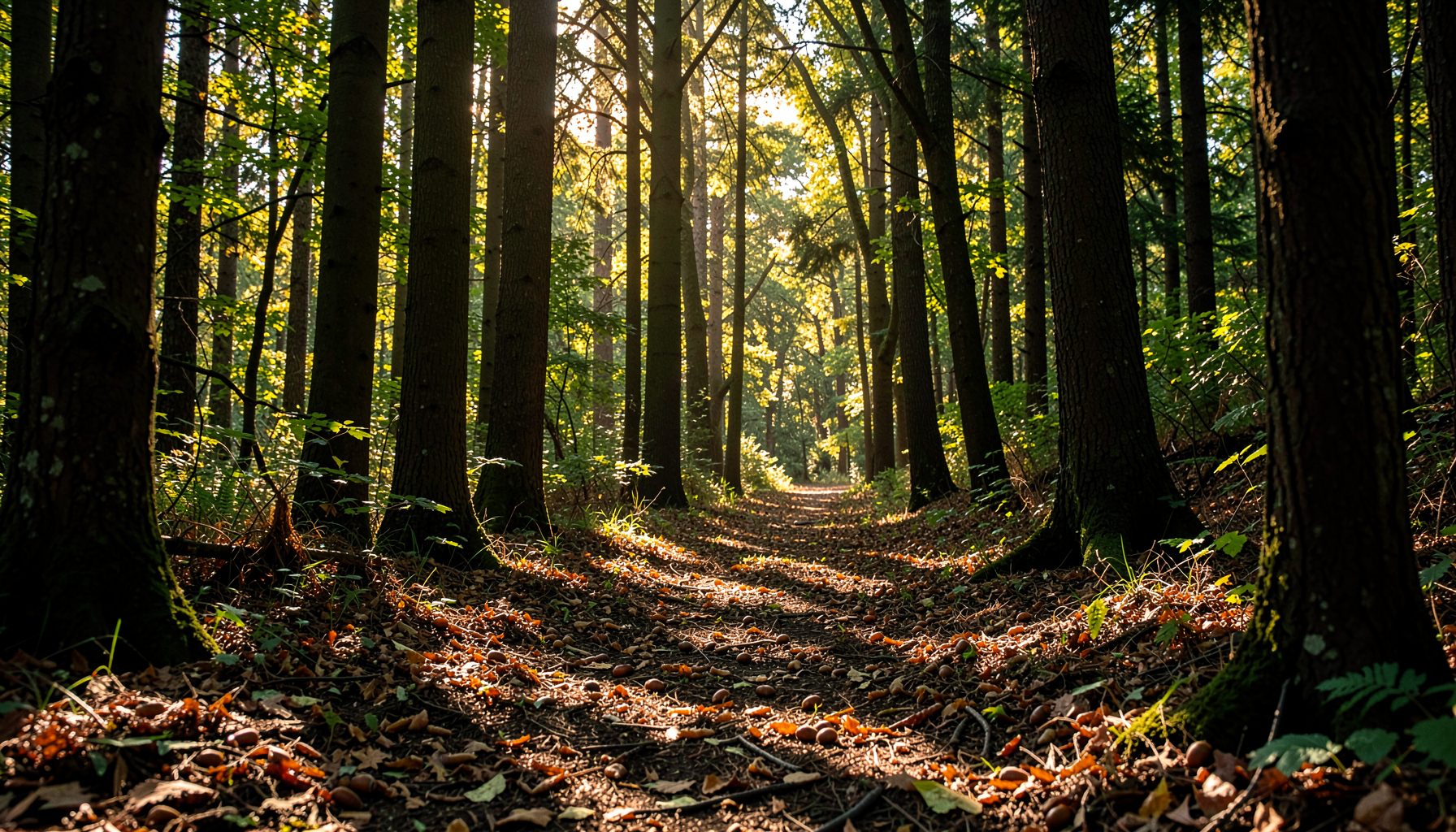
When the days shorten and mornings turn crisp along the rivers of the mid-Atlantic, hardwood trees release their harvest. Acorns tumble from white oaks, hickory nuts patter through dried leaves, and black walnuts drop with a heavy thud onto the forest floor. This autumn pulse is more than a seasonal curiosity. It is the raw material that volunteers gather each year to rebuild floodplain woodlands from the ground up. The practice may feel small in scale, but the ecological ripple extends for decades, shaping streams, filtering water, and feeding wildlife through generations.
In Australia, where Landcare and Bushcare groups have spent decades rebuilding riparian corridors along the Murray, the Goulburn and the Hawkesbury, the same logic applies. Native seed collection drives the recovery of riverside vegetation, and Australian practitioners often draw lessons from overseas programs that have turned volunteer labour into thriving forests. The Potomac watershed effort offers a particularly rich case study, because it pairs accessible community science with the steady rhythm of the autumn calendar. Understanding why that window matters explains how a few hours of seed gathering can outlive the volunteers who do it.
The Ecology Behind the Autumn Window
Autumn is when floodplain oaks, hickories, and walnuts complete their reproductive cycle. The trees that thrive in the saturated soils of bottomlands have evolved to drop their seeds just before winter rains. Saturated ground softens the seed coat and triggers germination in spring, while cold winter temperatures break dormancy. Picking seeds too early means they are not yet viable; waiting too long means squirrels, deer, turkeys, and weevils have already claimed the harvest.
The timing aligns with cooler weather, which makes outdoor work more comfortable for volunteers across generations. School groups from Canberra, Melbourne, and Brisbane often schedule their environmental service trips in the southern autumn, mirroring the rhythm of northern hemisphere projects. This shared timing means lessons learned in one hemisphere can inform the other, especially when participants exchange notes through school partnerships and online forums.
Floodplain soils also make autumn collection safer and easier. Dry leaves carpet the forest floor, revealing dark nuts against the tan background, and the dense canopy has not yet shed, keeping the air cool and the light soft. Volunteers learn to read the landscape for signs of a productive year: a heavy mast crop in oaks often follows a warm dry summer, while walnut production peaks after late spring rains.
Seeds commonly gathered along the Potomac in autumn:
- Acorns from white, swamp, bur, and pin oaks
- Black walnuts still wrapped in their green husks
- Shagbark and shellbark hickory nuts
- Persimmons and pawpaws from edge species
- Buttonbush, silky dogwood, and elderberry seeds from native shrubs
Why Floodplain Woodlands Need Special Care
Floodplain woodlands occupy the narrow band where land meets river. They absorb floodwaters, trap sediment, and stabilise banks with roots that grip moving soil. When those trees are removed for agriculture, development, or fuel, the river loses its first line of defence. Erosion accelerates, water temperatures rise, and aquatic insects that need cool shaded streams begin to disappear, taking fish and birds with them.
These forests are also disproportionately rich in biodiversity. A single mature bottomland oak can support hundreds of insect species, which in turn feed migratory songbirds travelling between the Americas and the tropics. Similar dynamics play out along Australian rivers, where river red gums and coolibah trees harbour gliders, cockatoos, and countless invertebrates. The pattern is universal: riparian forests are biodiversity hotspots that need active management, because natural regeneration struggles where floods have been altered by levees, dams, or straightened channels.
Reforestation efforts on the Potomac have shown that planting seedlings alone is not enough. Without diverse genetics sourced from local parent trees, the new generation can be vulnerable to disease and climate stress. Seed collection rebuilds that genetic bank in a way that nursery-grown stock from distant sources cannot match.
Wildlife Benefits Beyond the Obvious
Seeds left on the ground feed a wide range of animals through autumn and winter. Squirrels cache acorns, blue jays carry them across the landscape, wild turkeys strip the forest floor, and white-tailed deer browse the leaves and twigs. The role of black walnuts for wildlife extends well beyond the nut itself. Hulls, leaves, and sap support specialised insects that no other tree can host, and the husk rot that follows a heavy mast crop enriches forest soils in measurable ways.
This food web multiplies the value of every nut collected. Even seeds that fail to germinate contribute to the ecosystem by feeding invertebrates, fungi, and small mammals. Australian ecologists working in the Barmah-Millewa forest on the Murray have documented similar patterns, where river red gum seeds sustain parrot flocks through lean months and support entire woodland food chains.
The long-lived impact comes from the seeds that do germinate. Each acorn planted by a volunteer becomes a sapling that produces its own mast crop in thirty to fifty years, perpetuating the cycle. A single season's collection can seed a generation of forest.
Ecosystem services that healthy floodplain woodlands provide:
- Slowing floodwater and reducing downstream damage
- Filtering sediment, nutrients, and pollutants from runoff
- Keeping stream temperatures cool for native fish and macroinvertebrates
- Stabilising banks with deep root systems
- Storing carbon in saturated alluvial soils
The Quiet Science of Community Monitoring
Volunteer seed collectors become informal forest monitors without realising it. They notice which trees produced heavily, where the canopy is thinning, and how invasive plants like garlic mustard or Japanese stiltgrass are spreading. These observations feed back to ecologists tracking the health of the watershed and inform where replanting efforts should be concentrated.
This kind of citizen science resonates strongly in Australian culture. Programs like FrogWatch, Bushcare, and the Great Koala Count rely on everyday people contributing observations that researchers could never gather alone. Sydney bushcare groups document Cumberland Plain woodland remnants, Brisbane volunteers track fig tree fruiting, and Perth Landcare members record wandoo dieback across the Darling Range. The Potomac program sits within this global tradition of placing useful knowledge in the hands of those walking the land.
Schools have found seed collection particularly effective for outdoor learning. Students practise identification, learn about seed dispersal strategies, and contribute to a tangible outcome they can revisit in years to come. Teachers in Hobart and Adelaide have begun adapting similar programs for local riparian restoration, sometimes partnering directly with North American counterparts to share protocols and data sheets.
From Hand-Picked Nut to Streamside Seedling
Once seeds are gathered, they go through a careful process before reaching the soil. Volunteers clean the nuts, remove husks, and discard any that show signs of insect damage or rot. Acorns that float in a bucket of water are typically not viable, while sunken acorns are usually sound. Clean seeds are stratified in moist sand or sawdust and chilled to mimic winter conditions, breaking dormancy so they germinate uniformly in spring.
State nurseries then grow the seedlings for one to three years before they are sturdy enough for planting along stream banks. Many Australian nurseries operate on a similar cycle, growing river red gum, swamp paperbark, and she-oak seedlings for restoration projects along the Hawkesbury, Yarra, and Swan River systems. The shared approach means techniques developed on one continent can be adapted on another with minimal friction.
Plantings happen during dormancy, when roots can establish without the strain of supporting new leaves. On the Potomac, this usually means late winter through early spring, depending on elevation and aspect. The young trees go into prepared sites where competing vegetation has been cleared and protective tubes guard them from browsing deer. Survival rates depend on weather, site preparation, and follow-up care, but well-sourced seedlings regularly exceed seventy per cent survival after their first year.
Joining a Movement That Spans Hemispheres
Restoration work does not require expertise, only willingness. Volunteers arrive at organised sites with bags, gloves, and a brief lesson in tree identification, and within an hour they are gathering seeds that will outlive them. Families find it a satisfying way to spend an autumn afternoon. Retirees welcome the chance to contribute skills they have honed over a lifetime. Workplaces use seed collection as a team-building activity that leaves a measurable legacy.
The same spirit drives Australian volunteer days hosted by Greening Australia, the Murray Darling Basin Authority, and local councils. In Canberra, autumn planting days refill gullies and parklands. In Melbourne, Friends of the Yarra groups pull rubbish and plant indigenous seedlings along the river. Across the continent, the rhythms of soil, seed, and season echo those of the Potomac valley.
Anyone curious about joining a seed collection event, organising a school trip, or supporting the work through donations can explore Growing Native's mission and find a calendar of upcoming gatherings. Volunteer registration opens each summer, with sessions running from late September through early November.