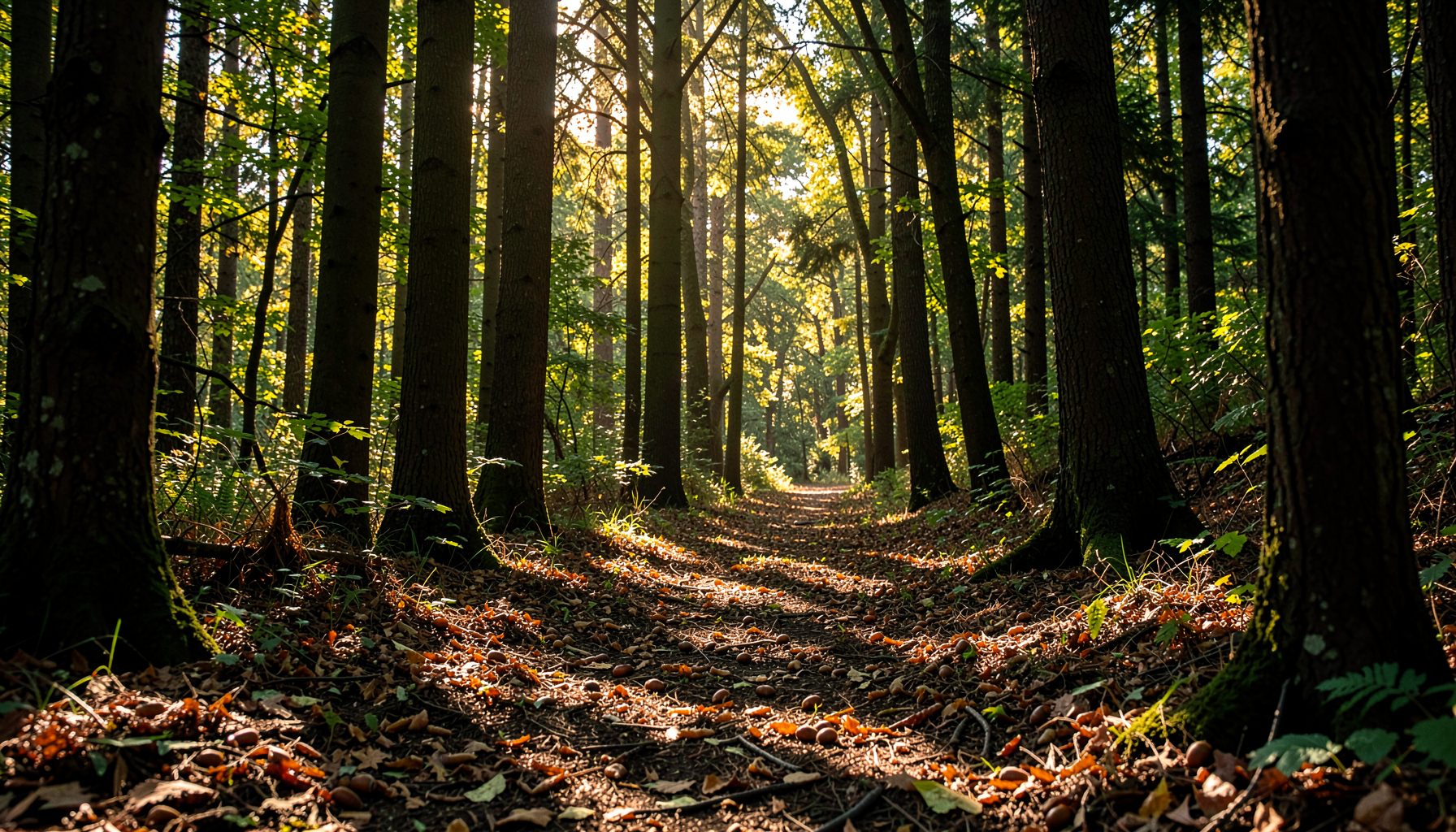
Why collecting seeds from urban trees supports city canopy resilience
A city’s trees do far more than soften concrete streets. They shade homes, cool pavements, filter rainwater, provide habitat and hold soil in place when heavy downpours arrive. Yet urban forests face a difficult combination of heat, drought, pests, compacted ground and increasingly unpredictable weather. A healthy canopy needs a steady supply of well-adapted young trees to replace losses and expand into places that lack shade.
Collecting seed from urban trees is a practical way to strengthen that supply. Acorns, walnuts, pods and other native seed can become future streamside plantings, street trees, shelterbelts and parkland habitat when handled responsibly. Growing Native demonstrates how volunteers, nurseries, schools and workplaces can connect seed collection with watershed restoration. The same principles are valuable for Australian cities, where local provenance and careful biosecurity are essential to building resilient urban greenery.
Urban trees hold valuable local genetics
Trees growing in cities experience conditions that differ from those in nearby bushland. They may face reflected heat from glass and asphalt, restricted root space, irregular watering, air pollution and frequent pruning. Individuals that remain healthy in these settings may carry useful traits, such as tolerance to dry soil, intense sunlight or short periods of water stress. Collecting seed from a broad range of vigorous parent trees helps preserve that local adaptation.
Genetic diversity matters because a canopy made from too few source trees can become vulnerable to the same pest, disease or climate shock. Seed gathered from many healthy trees produces a wider mix of characteristics than cuttings taken from a single clone. This is especially important when replacing trees lost during heatwaves, storms or bushfire. A diverse planting is more likely to contain individuals that cope with changing conditions over decades.
Australian cities illustrate the point clearly. Eucalypts in Melbourne may encounter frosts and dry summers, while trees in Brisbane contend with humidity, intense rainfall and subtropical pests. Perth faces sandy soils and prolonged water limitations, and Adelaide’s urban plantings must cope with hot, dry winds. Seed collection linked to local ecology can help restoration projects select plants suited to the landscapes where they will eventually grow.
Seed collection turns everyday places into restoration sites
Urban seed sources are often closer than people expect. A mature native tree beside a footpath, in a schoolyard, near a sports oval or in a suburban park can produce thousands of seeds in a season. Residents already walking dogs, commuting by bicycle or taking children to school may notice when pods, nuts or winged seeds begin to fall. With permission and a small amount of training, these ordinary routines can support a structured seed-gathering effort.
The timing of collection varies by species and climate. Some seed is ready while still attached to the tree, while other types should be gathered soon after falling, before moisture, insects or lawn equipment damage them. Volunteers need to identify the parent species accurately, avoid collecting from unhealthy trees and keep different batches separate. Notes about the suburb, date, habitat, parent tree and collection conditions give nurseries information that can guide propagation and future planting.
Care is particularly important in urban settings. Seed should not be gathered from sites exposed to chemical spraying, heavy traffic pollution or contaminated soil. Collectors should leave enough for wildlife and natural regeneration, rather than stripping a tree or removing every fallen nut. Local councils, land managers and traditional owner organisations may have specific requirements, so permission should be obtained before collection on public or culturally significant land.
A native seed supply supports water and canopy goals
The benefits of urban seed collection extend beyond the streets where the seed is gathered. Native seedlings can be planted along creeks, drainage lines and wetlands, where roots stabilise banks and reduce sediment entering waterways. Shade from streamside vegetation lowers water temperatures, while leaf litter and woody habitat support insects, birds and aquatic food webs. These connected benefits make seed collection part of a wider catchment strategy rather than a standalone gardening activity.
This approach aligns closely with Growing Native’s work in the Potomac River watershed. Volunteers collect native hardwood and shrub seed, including acorns and walnuts, which state nurseries grow into seedlings for restoration. The model links community participation with practical outcomes: cleaner water, erosion control, wildlife habitat and a stronger supply of locally appropriate plants. Australian groups can apply the same chain of action to local species and catchments, while following their own regional guidance.
Seed source also affects whether restoration plantings can cope with future conditions. A creek corridor planted with a narrow range of stock may look successful for several years but become fragile when rainfall patterns shift or a new pathogen arrives. Using genetically varied seed from healthy, regionally suitable trees gives restoration managers more options. It can also reduce dependence on a limited commercial supply, which may be affected by poor flowering seasons, transport costs or sudden demand after storms and fires.
Invasive plants present another reason to control the source of restoration material. Species that spread aggressively along waterways can displace native vegetation and complicate maintenance. Before planning a collection, groups can review invasive species risks and confirm that every collected plant is appropriate for the target habitat. In Australia, this is especially relevant near riparian corridors, where garden escapees can move rapidly downstream during floods.
Community collection can strengthen local stewardship
A seed collection day offers a clear, hands-on way to learn about tree identification, seasonal cycles and watershed health. Children can compare leaves and pods, students can map parent trees, and workplace teams can sort and label collections. The activity builds knowledge that is often difficult to gain from a sign or online fact sheet because participants see how an urban tree produces the next generation.
Schools and community groups can connect collections with existing Australian habits and events. A Saturday working bee at a Melbourne creek reserve, a school biodiversity project in Sydney or a weekend planting program around a Brisbane drainage corridor can include seed monitoring before collection begins. Local markets and native plant nurseries may also help publicise the effort, provide propagation advice or connect volunteers with buyers seeking locally suitable species. Reliable demand can make native seed collection more viable for growers and restoration contractors.
Workplaces can turn the activity into a measurable environmental program, with teams recording the number of parent trees visited, seed batches prepared and seedlings eventually planted. A clear process helps keep enthusiasm focused on quality rather than volume. Growing Native’s guidance on workplace seed challenges can help organisers build roles, collection rules and educational elements into a practical event.
The strongest programs also acknowledge custodianship and place. In Australia, learning from Traditional Owners and respecting Indigenous ecological knowledge can improve understanding of seasonal indicators, species relationships and cultural responsibilities. Recognition should be more than a formality: groups should seek appropriate advice, follow access rules and avoid collecting in places where gathering is restricted or culturally inappropriate.
Responsible collection needs clear local rules
Urban seed gathering should never be treated as unrestricted foraging. In Australia, rules differ between states, territories, councils and land managers. The Environment Protection and Biodiversity Conservation Act 1999 protects listed threatened species and ecological communities at the national level, while state legislation may regulate native vegetation, protected flora, parks and the movement of plant material. The Biosecurity Act 2015 also establishes national obligations to prevent the spread of pests, diseases and weeds.
Collectors should check council permits, reserve conditions and nursery requirements before beginning. Seed must be labelled accurately and kept separate by species and source. Tools, containers and footwear may need cleaning between sites, particularly when working near waterways or areas affected by myrtle rust, soil pathogens or invasive weeds. If seed is moved across local government or state boundaries, additional restrictions may apply.
A simple operating standard makes the process safer and more useful:
- Gain written permission for collection sites and confirm any protected-species restrictions.
- Choose several healthy parent trees, leaving sufficient seed for wildlife and natural regeneration.
- Record species, location, date, habitat, parent-tree condition and approximate collection quantity.
- Reject seed from contaminated, sprayed or visibly diseased sites.
- Keep batches separate, dry them appropriately and use clean containers and equipment.
- Deliver material promptly to a qualified nursery or restoration partner with clear labels.
This level of care protects the urban forest from accidental contamination while giving growers the information needed to raise strong seedlings. It also builds trust with councils, landholders and volunteers, which makes future collection seasons easier to organise.
A resilient city canopy is grown through many small decisions: retaining mature trees, planting diverse species, protecting waterways and preparing quality seed before it is urgently needed. Residents, schools, workplaces and community organisations can begin by observing local trees, learning which species are native to their area and connecting with an approved nursery or restoration group. In the Potomac watershed, Growing Native provides a proven community-based example of how seed collection can support forests and clean water. Explore its educational resources, follow local Australian laws and take part in responsible restoration that gives future urban trees a stronger start.