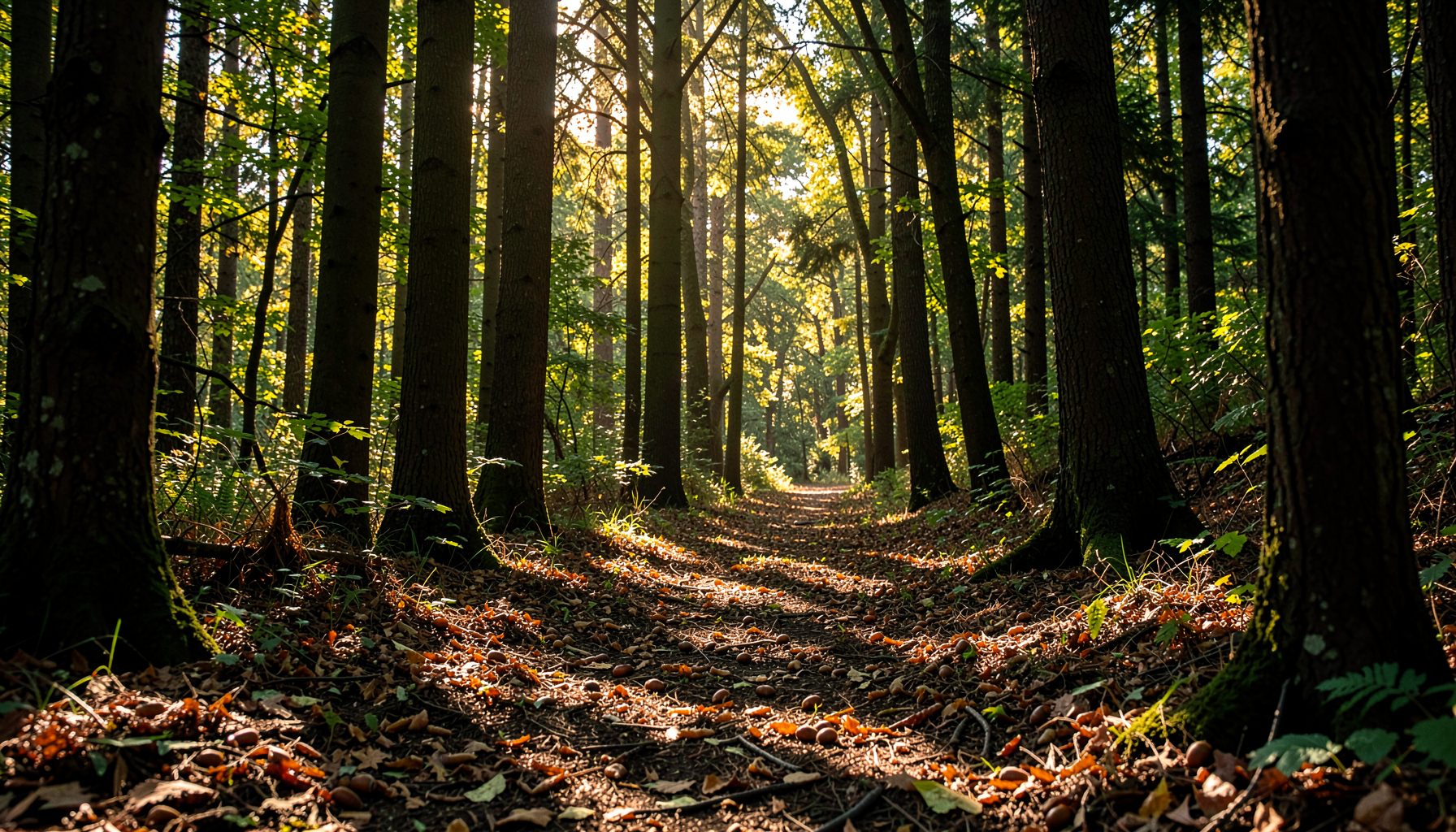
Why urban seed collecting matters for biodiversity
A city tree can look like a small patch of nature surrounded by roads, buildings and traffic, yet its seeds carry genetic information shaped by seasons, soils and local conditions. Collecting those seeds responsibly gives communities a practical way to support native plant regeneration and strengthen the links between urban areas and nearby forests.
The value extends beyond planting a few trees. Native seeds can help restore stream buffers, provide food and shelter for wildlife, protect soil from erosion and improve the health of connected waterways. When people learn to recognise fruit, nuts and seed capsules, everyday walks become opportunities to observe how an ecosystem works.
For Australian audiences, the idea is especially relevant in cities such as Melbourne, Sydney, Brisbane and Canberra, where remnant vegetation often survives in parks, streetscapes and creek corridors. The methods used by Growing Native in the Potomac River watershed offer a useful community conservation model, while local collectors must follow Australian council rules, landholder permissions and biosecurity requirements.
Urban trees are valuable genetic resources
Urban forests contain a surprising mix of species and genetic material. Some trees were planted decades ago, while others are remnants of the original vegetation community. Their seeds may include useful adaptations to heat, compacted soil, irregular rainfall or exposure to wind. Collecting from a broad range of healthy parent trees helps preserve this variation rather than relying on a narrow nursery supply.
Biodiversity depends on variation within species as well as the number of species in a landscape. A population with diverse genetics may be better equipped to cope with drought, pests and changing temperatures. Seed collection therefore supports genetic diversity, ecological resilience and the long-term ability of native vegetation to recover after disturbance.
The timing of seed fall also creates an educational opportunity. Families and school groups can compare acorns, samaras, pods, berries and nuts, then connect each form with a dispersal strategy. A seed carried by a bird has different ecological relationships from one moved by wind, water or gravity. These observations make urban nature more understandable and memorable.
Seed collection reconnects fragmented habitat
Roads, housing estates and commercial development divide natural habitat into smaller patches. A street tree or park planting cannot replace a functioning forest, but it can act as a stepping stone for birds, insects and other wildlife. When locally appropriate plants are established along creeks, drainage lines and reserve edges, they can improve movement through an otherwise fragmented landscape.
Streamside restoration is especially important. Deep-rooted native vegetation slows runoff, holds banks together and filters sediment before it enters a river or wetland. Cleaner water benefits aquatic insects, fish, frogs and waterbirds, while shaded channels can remain cooler during hot weather. Seed collection becomes part of a wider watershed strategy rather than an isolated gardening activity.
Growing Native’s watershed restoration work demonstrates how collecting seeds can be linked with state nurseries, volunteer education and long-term planting projects. In Australia, similar principles can support Landcare groups, local catchment organisations and council revegetation programs, provided the seed source matches the restoration site and collection is legally permitted.
Local seed sources strengthen restoration
Plants raised from locally collected seed are often well suited to the conditions where they will eventually grow. This does not mean every local seedling will survive, or that a single collection site is always appropriate. It means restoration planners can make informed choices about provenance, rainfall patterns, soil type and the ecological community being rebuilt.
Australian cities provide clear examples of why provenance matters. A seed gathered from a wet forest near Melbourne may not be suitable for a dry woodland site outside Canberra. A coastal plant collected in Sydney may respond poorly to inland frost. Local councils, community nurseries and native plant societies can help identify suitable species and collection zones.
The native plant market is growing, but commercially available stock can vary in provenance and availability. Community seed collection can complement professional growers by supplying material that is difficult to obtain in quantity. It can also create demand for native species that support pollinators, woodland birds and small mammals, rather than favouring a limited range of ornamental plants.
Careful records are essential. Collectors should note the species, location, date, habitat, parent trees and approximate quantity gathered. Seeds from many healthy individuals are generally preferable to taking a large amount from one tree. Collection should leave enough food for wildlife and allow natural regeneration to continue.
Responsible collection protects ecosystems
Seed collecting is beneficial only when it is done with care. Permission is required on private land, council reserves, public parks and protected areas, and rules differ between Australian states and territories. Some areas restrict the removal of plant material entirely. Collectors should check with the relevant council, land manager or conservation authority before gathering anything.
Biosecurity also deserves attention. Soil, plant fragments and poorly handled seed can spread weeds, fungal diseases or pests. Clean footwear and equipment between sites, avoid collecting from visibly diseased plants and keep different batches separate. Never move seed across regions without checking whether restrictions apply, especially where threatened species or agricultural biosecurity concerns are involved.
Urban trees can be exposed to pollutants, dog waste and chemical treatments. Avoid collecting from locations where contamination is likely, such as heavily trafficked road verges, industrial land or recently sprayed areas. Seeds should be identified with confidence before collection, since some attractive berries and pods may be toxic or belong to invasive species.
Documentation can make responsible practice easier to share. A clear photograph of a seed, its parent tree and the surrounding habitat helps volunteers compare observations and check identification. Growing Native’s guide to photographing tree seeds provides a useful example of how images can support education and outreach.
Community participation turns observation into action
Seed collecting works well as a group activity because it combines outdoor learning with a tangible conservation outcome. A school class can map trees in its grounds, a workplace can volunteer along a creek, and a family can learn how to distinguish native seed types during a weekend walk. The activity encourages people to notice seasonal change instead of treating urban vegetation as background scenery.
In Australia, community events can connect with familiar conservation traditions such as Landcare working bees, National Tree Day activities and local catchment festivals. A council-supported collection day in Brisbane or Melbourne could combine species identification with information about stormwater, urban heat and habitat corridors. In Canberra, groups might focus on woodland recovery and seed sources suited to frost-prone conditions.
Education also improves the quality of future restoration. Volunteers who understand seed maturity are less likely to collect too early, damage parent plants or mix species carelessly. They can recognise when a crop is abundant, leave sufficient food for cockatoos and other wildlife, and report unusual flowering or fruiting patterns that may be useful to ecologists.
The broader benefit is stewardship. People who help gather and grow native plants are more likely to value mature trees, protect creek vegetation and support sound urban planning. Growing Native invites participation in native seed conservation through volunteer opportunities and learning resources, showing how a simple seasonal task can contribute to healthy forests and waterways.
Practical ways to make each collection count
- Ask the land manager for written permission and check local rules before collecting.
- Choose healthy parent trees from the correct ecological community and record their locations.
- Gather modest amounts from many trees, leaving plenty of seed for wildlife and natural regeneration.
- Avoid polluted verges, recently treated areas, diseased plants and sites with invasive species.
- Clean hands, footwear and equipment between collection sites to reduce biosecurity risks.
- Label every batch with the species, date, location and habitat details.
- Share observations with a council, nursery, Landcare group or restoration organisation that can use the seed appropriately.
A handful of seeds can carry a remarkable amount of ecological possibility. When collected legally, identified accurately and connected with a well-planned restoration project, urban seed gathering helps rebuild habitat, protect waterways and maintain genetic diversity. Explore Growing Native’s resources, learn which native trees grow in your area, and support a local group that is turning seasonal seed into healthier landscapes.