How Wetland Seed Collection Strengthens Amphibian Habitat
Healthy wetlands depend on the land around them. Trees and shrubs growing beside creeks, swamps and floodplains hold soil in place, shade shallow water and provide the layered vegetation that frogs need for shelter, feeding and breeding. When their seeds are collected responsibly and raised into new plants, a small conservation action can help rebuild an entire habitat system.
This matters in Australia, where a creek may pass through farmland, a suburban reserve or a heavily modified urban corridor within a few kilometres. A revegetated drainage line near Brisbane, a billabong connected to the Murray–Darling system or a wet gully around Melbourne can all benefit from locally appropriate native plants. These projects support frogs while improving water quality and making waterways more resilient during heat, drought and intense rain.
The same principle guides Growing Native’s work in the Potomac River watershed. Volunteers gather native hardwood and shrub seeds, including acorns and walnuts, which are then grown into streamside seedlings. The approach shows how practical community involvement can connect seed collection, nursery production, erosion control and wildlife recovery.
Wetland Edges Are Amphibian Refuges
Frogs need more than a pond or creek. They rely on damp leaf litter, fallen branches, rough bark, low-growing plants and shaded ground for protection from predators and drying conditions. Trees near wetlands create this varied structure, while their roots and organic matter help maintain moist microhabitats along the water’s edge.
Vegetation also moderates the temperature of shallow water. Canopy shade can reduce excessive heating, particularly in urban wetlands where dark surfaces and stormwater runoff raise water temperatures quickly. Cooler, more stable conditions can benefit eggs, tadpoles and adult frogs during vulnerable stages of their life cycle.
In Australia, species such as the striped marsh frog, common eastern froglet and green tree frog use different parts of wetland landscapes. Some call from dense reeds or low plants, while others shelter under logs, rocks or leaf litter. A diverse streamside planting gives each species more opportunities to find suitable cover.
Seeds Carry Local Ecological Value
Collecting seed from trees growing near wetlands preserves more than a plant species. It can retain local genetic traits that help seedlings cope with the area’s rainfall patterns, soils, seasonal flooding and temperature range. This is why restoration teams often prefer seed collected from nearby healthy populations rather than relying on plants from a distant region.
Local provenance is especially important across Australia, where conditions can change sharply between coastal, inland, alpine and tropical environments. A tree suited to a creek in the Dandenong Ranges may perform poorly beside a dry inland watercourse. Councils, Landcare groups and native nurseries commonly work with provenance guidelines to match plants to their restoration sites.
The timing and method of collection matter as well. Mature seed should be gathered only from healthy trees, in quantities that leave enough for natural regeneration and wildlife. Collectors need permission where required, avoid damaging branches and record the location, date and parent species. These details help nurseries raise reliable stock and prevent unsuitable planting decisions later.
Trees Improve Water Quality for Frogs
Roots from streamside trees and shrubs bind banks together, reducing erosion when storms send fast-moving water through a catchment. Stable banks create clearer shallows, less buried leaf litter and fewer sudden sediment deposits over frog eggs or aquatic plants. The result is a more functional breeding environment.
Vegetation also filters runoff before it reaches a wetland. Plant roots and soil organisms can slow water and capture some nutrients, oils and sediment from roads, paddocks and developed areas. Cleaner water supports aquatic insects and other small animals that form part of the food web for adult frogs.
These benefits are relevant to Australian urban catchments, where a short, steep storm can flush pollutants into a creek in minutes. A planted buffer along a suburban waterway will not solve every pollution problem, yet it can form one important layer of protection alongside better stormwater design, weed control and careful land management.
Fallen Leaves Feed the Wetland Food Web
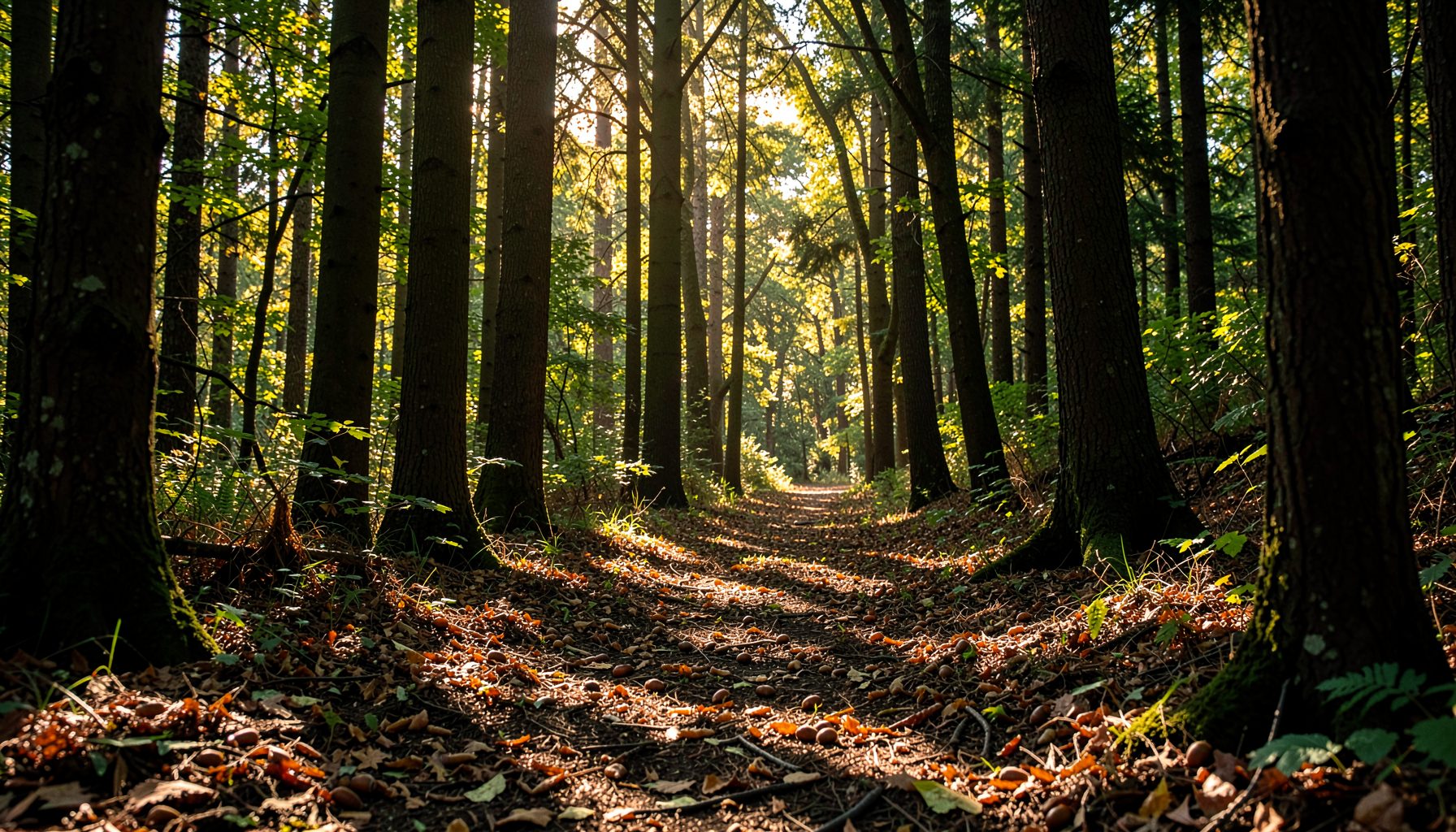
Trees contribute to amphibian habitat after their leaves fall. Leaf litter holds moisture at ground level and provides hiding places for frogs, spiders, beetles and other invertebrates. As leaves decompose, they add organic matter to the soil and support the tiny organisms that sustain larger insects.
Some of that material reaches the water, where it becomes part of the aquatic food web. Microbes break down leaves, aquatic larvae feed on the resulting material and tadpoles may benefit from the algae and organic surfaces that develop nearby. Adult frogs then feed on insects attracted to the dense vegetation.
This process is easily disrupted when wetland margins are cleared, mown too closely or treated as tidy parkland. A restoration project should allow some natural complexity to remain. Retaining logs, leaf litter and low native groundcover can be as valuable as planting larger trees.
Responsible Collection Protects Existing Habitat
Seed collection must never undermine the habitat it aims to restore. Collectors should avoid trampling wetland margins, disturbing frog shelter sites or removing all available fruit from a single tree. A small, dispersed harvest from many healthy parent plants is generally safer than concentrated collection from one location.
Weather and seasonal conditions also shape good practice. In parts of northern Australia, seed may mature around the wet season, while southern regions often have different flowering and fruiting cycles. Collectors should work with local experts, follow land manager instructions and pause activities when soil is saturated, access would cause damage or wildlife is actively breeding.
Growing Native’s conservation work demonstrates how organised volunteers can link careful collection with nursery production and watershed restoration. For Australian groups, the transferable lesson is the value of clear protocols, shared records and a strong relationship between collectors, growers and the people managing restoration sites.
Community Seed Work Builds Environmental Stewardship
Seed collecting is accessible to individuals, families, schools, workplaces and community organisations. It turns a walk beside a creek into an opportunity to learn tree identification, observe seasonal cycles and understand how forests influence water. Children can see that a seed gathered in one season may become habitat many years later.
For an Australian Landcare group, a weekend collection day can complement bush regeneration, frog surveys or a council planting event. Local knowledge is useful: residents may know where remnant trees survive, where frogs call after rain or which creek sections flood regularly. Elders, Traditional Owners and ecological specialists can add important cultural and scientific perspectives.
Educational material helps volunteers make sound decisions rather than simply gathering whatever is easiest to find. Resources covering tree identification guidance can support accurate species recognition and safer collection. Similar Australian resources should be paired with local field guides, biosecurity rules and advice from the relevant land manager.
Practical Steps for Better Wetland Restoration
The strongest projects connect seed collection to a defined habitat goal. Before collecting, organisers should identify whether the site needs bank stabilisation, shade, understorey cover, wildlife corridors or improved breeding conditions. The planting list should then reflect the wetland’s soil, hydrology and existing vegetation.
Useful actions include:
- Map healthy parent trees and collect only with landholder or reserve approval.
- Prioritise locally native species suited to the wetland’s flooding and soil conditions.
- Gather modest amounts from multiple trees while leaving food for birds and mammals.
- Record species, location, date, collector and storage requirements for every batch.
- Combine tree planting with weed management, leaf-litter retention and erosion control.
- Monitor frog calls, water quality, plant survival and bank condition over several seasons.
Volunteers should also understand that trees are part of a habitat mosaic, not a complete replacement for wetlands. Ponds, sedges, grasses, logs and open basking areas may all be needed. In some Australian landscapes, planting too densely can reduce the open, sunny edges preferred by particular frog species, so restoration design should follow local ecological advice.
Measuring Benefits Beyond Tree Survival
Counting planted seedlings is useful, but it does not reveal whether amphibian habitat is improving. Monitoring can include frog calls after rain, egg masses, tadpole presence, water temperature, canopy development and the condition of the stream bank. Photographs taken from fixed points can show changes that are difficult to notice week by week.
Community monitoring is particularly valuable because frogs are often heard before they are seen. Volunteers can record calling species, rainfall and seasonal timing through established citizen-science platforms or local survey programmes. These observations may reveal whether restored sites are becoming connected enough for frogs to move between breeding and shelter areas.
Long-term care remains essential. Seedlings may need watering during establishment, protection from browsing, replacement after floods and follow-up weed control. With steady maintenance, a collection of acorns, nuts or other native seed can develop into a living buffer that supports amphibians, improves creek health and strengthens the wider watershed.
When the next wetland restoration day is planned, make seed work part of it. Contact a local Landcare network, council environment team, native nursery or school group, then choose a suitable collection site and learn the rules before gathering. Each responsibly collected seed can contribute to a future streamside forest where frogs have cooler water, safer shelter and a healthier food web.