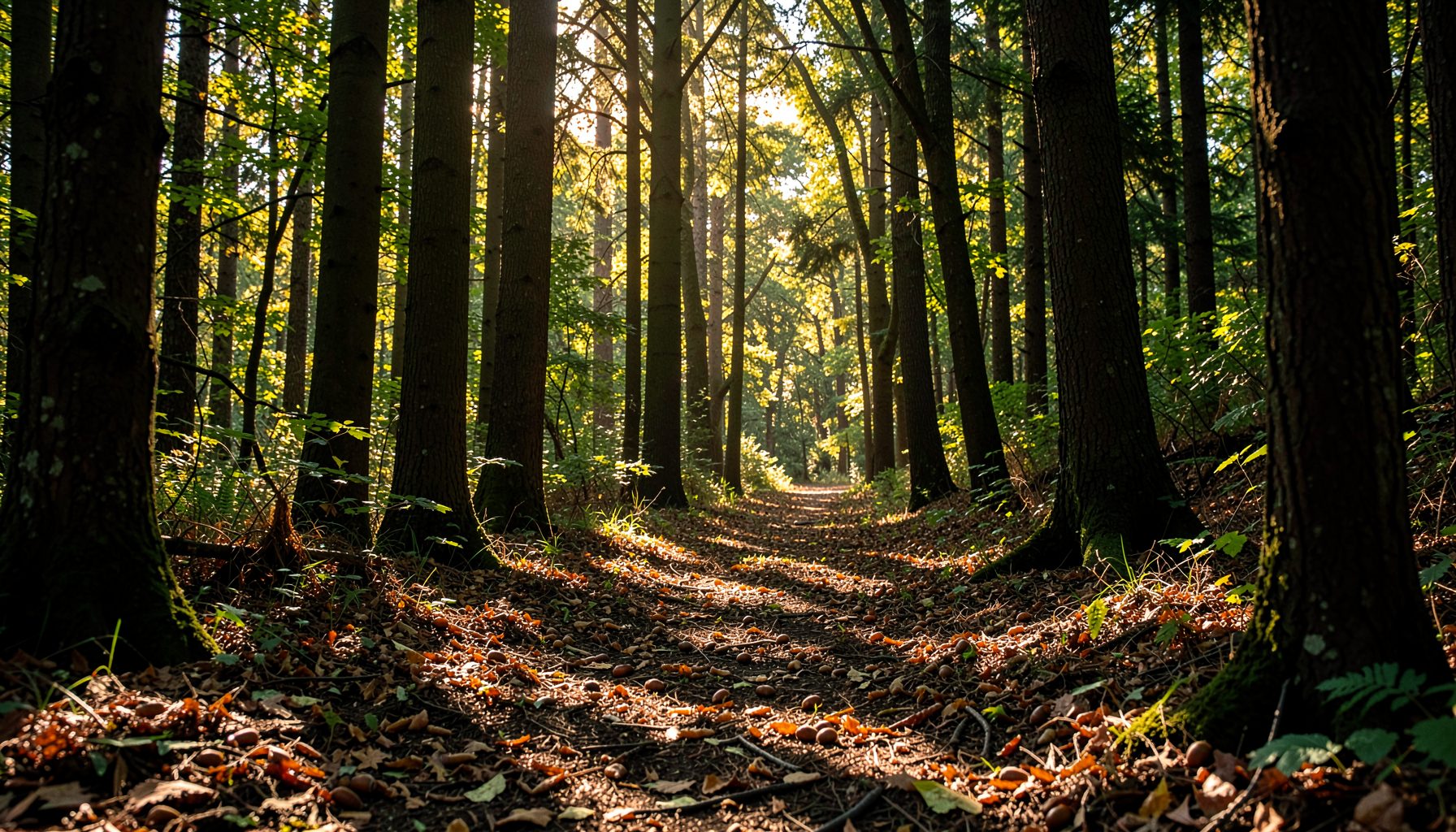
Why Tree Seed Collection Near Farms Protects Biodiversity
Biodiversity is often associated with remote forests, national parks and wilderness areas. Yet some of the most valuable conservation work begins along an ordinary farm boundary, beside a drainage channel or under a mature tree in a paddock. These places hold genetic material that can help rebuild forests, stabilise waterways and support wildlife across an entire catchment.
Collecting seeds from trees near agricultural fields protects biodiversity because it preserves locally adapted plants before land-use change, drought, disease or intensive management removes them. Acorns, walnuts, hickory nuts, berries and other native seeds can become future canopy trees, shelter plants and streamside vegetation when they are collected responsibly and grown in nurseries.
The approach developed through the Potomac River watershed has relevance well beyond the United States. In Australia, where farming, suburban expansion, altered waterways and bushfire shape many landscapes, carefully sourced native seed can support habitat restoration while involving schools, families, workplaces and community groups in practical environmental stewardship.
Why Local Seed Sources Matter
A tree growing beside a cultivated field has already survived the conditions of that particular region. Its offspring may carry useful traits such as tolerance of local soils, seasonal rainfall, frost, heat, pests or periodic flooding. Using these seeds for restoration can improve the chance that new plantings will establish and reproduce over time.
This local genetic variation is easy to overlook. A forest may appear to contain one species, while individual trees differ in their flowering dates, growth rates and resistance to stress. Collecting from a range of healthy parent trees helps maintain that diversity rather than producing restoration sites from a narrow supply of nursery stock.
Agricultural margins can also contain remnant vegetation that has disappeared from nearby fields. A lone black walnut, oak or native shrub may be part of an older ecological community. Its seeds can connect isolated habitat patches and preserve characteristics that are missing from commercial plantations or highly disturbed areas.
Farm Edges Are Biodiversity Corridors
The boundary between a farm and a woodland is not simply a line on a map. It can provide nesting sites, shelter, food and movement routes for birds, insects, small mammals and reptiles. Trees along creeks and gullies are especially important because they link upland habitat with wetlands and downstream forests.
When native seedlings are raised from nearby parent trees, restoration projects can strengthen these links. A line of trees beside a paddock may eventually become a shaded corridor, while shrubs can create dense cover for pollinators and ground-dwelling animals. The result is a more connected landscape rather than a collection of isolated plantings.
In Australia, this principle is visible around Melbourne’s outer growth areas, the agricultural fringes of Canberra and the creek systems running through Adelaide’s plains. Revegetating drainage lines and farm boundaries can reduce habitat fragmentation while helping native species move through landscapes increasingly divided by roads, housing and intensive production.
Practical Benefits Of Seed Collection
Seed gathering supports biodiversity in several ways at once. It protects genetic resources, supplies restoration projects and creates a reason for people to observe seasonal changes in local ecosystems. Responsible collection also avoids treating nature as an unlimited resource.
Useful outcomes include:
- Preserving genetic diversity within native tree and shrub populations
- Supporting habitat corridors between farms, forests and waterways
- Providing food and shelter for pollinators, birds and small mammals
- Reducing erosion and improving water quality through future tree cover
Collection must be selective and measured. Volunteers should gather mature seed from healthy trees, leave enough for natural regeneration and avoid taking from rare or vulnerable populations without expert guidance. Seeds should be labelled with the collection date, location, species and parent-tree information so nurseries can make informed decisions.
The Growing Native program demonstrates how community-collected acorns and walnuts can be donated to state nurseries and grown into streamside seedlings. Its model links seasonal fieldwork with long-term forest restoration, making each collection event part of a larger watershed strategy.
Agriculture Can Put Native Trees Under Pressure
Fields provide food and livelihoods, but agricultural activity can also reduce native vegetation. Clearing, grazing, herbicide drift, soil compaction, drainage changes and machinery movement may gradually weaken trees at the edge of production areas. Removing old trees can eliminate hollows, nesting sites and a valuable source of seed in a single action.
Climate pressures add another layer of risk. Longer dry periods, severe heat, intense rainfall and shifting pest ranges can affect flowering and seed production. If a local tree population fails to regenerate for several seasons, its genetic diversity may decline even when some mature trees remain standing.
This makes timely seed collection important. It does not replace habitat protection or better land management, but it provides a safeguard. Seeds collected during productive seasons can be propagated for future planting when conditions improve or when restoration teams are ready to repair a damaged creek line.
Australian landholders also need to consider legal requirements. Rules for collecting native plant material vary between states and territories, and collecting on public land may require permission. The federal Biosecurity Act 2015 and state biosecurity laws can affect the movement of seeds, soil and plant material, particularly when material crosses borders. Local council, land manager and nursery guidance should always be followed.
From A Seed To A Living Watershed
A seed is only the beginning of a carefully managed process. After collection, it may need cleaning, drying, stratification or other treatment before it can germinate. Nursery staff then raise seedlings under controlled conditions until they are strong enough for planting in suitable soil and climate conditions.
The location of the future planting matters as much as the quality of the seed. Streamside trees can shade water, slow bank erosion and contribute leaf litter that supports aquatic food webs. On farmland, shelterbelts may reduce wind exposure, provide wildlife habitat and help intercept runoff carrying sediment or nutrients.
The conservation value increases when projects use several layers of vegetation. Tall trees form a canopy, smaller trees and shrubs create mid-storey habitat, and grasses or groundcovers protect soil. A mixed planting is generally more resilient than a single-species row and offers resources at different heights and seasons.
For households used to sorting food scraps, recycling containers or buying seasonal produce at local markets, seed collection is another simple seasonal habit with a long-term public benefit. It turns attention towards native plants and shows how a small action can contribute to cleaner creeks and healthier forests.
Community Participation Builds Ecological Knowledge
Seed collection invites people to learn directly from the landscape. Volunteers practise identifying leaves, bark, fruit and nuts, while also learning why some trees grow beside water and others prefer drier slopes. These observations develop practical ecological literacy that can influence gardening, land management and local advocacy.
Schools can connect collection days with lessons in botany, maths, geography and climate science. Students might map parent trees, record weather conditions or compare germination rates. Families and workplaces can contribute during short seasonal events, making conservation accessible to people without specialist training.
A well-run project also establishes clear standards. Volunteers need guidance on safe collection, hygiene, land access, species identification and the prevention of seed mixing. Tools, gloves and collection bags should be clean, while records should remain accurate from the field to the nursery.
Growing Native’s conservation work illustrates the broader value of this model: volunteers are connected with educational resources, restoration goals and the health of the wider Potomac watershed. The same structure can inspire Australian community groups working around creeks, farms, reserves and urban bushland.
Responsible Collection Protects The Source
The purpose of collecting seeds is to strengthen natural systems, not to strip them of their reproductive material. A responsible program begins by identifying suitable parent trees and confirming that collection is permitted. It should avoid collecting every seed from one tree or concentrating on only the largest and most convenient specimens.
Good practice includes:
- Taking a modest proportion from many healthy parent trees
- Leaving fallen seed and fruit for wildlife and natural regeneration
- Recording provenance, habitat type and collection conditions
- Keeping species and sites separate during transport and storage
- Following permissions, biosecurity rules and nursery instructions
Seed collectors should also watch for invasive plants, fungal disease and signs of declining tree health. Moving contaminated equipment or unapproved plant material can damage the very ecosystems a project intends to restore. Cleaning footwear and tools between sites is a small but important precaution.
These safeguards matter in Australia’s local market as well. Native seed is used by restoration contractors, wholesale nurseries, councils and community nurseries, and demand can rise after floods, fires or major infrastructure projects. Traceable, ethically collected seed supports responsible procurement and reduces pressure on wild populations.
Biodiversity Gains Continue For Decades
The first visible result of a collection event may be a bag of acorns or a tray of germinating seedlings. The deeper benefits arrive gradually. Mature plantings can cool stream margins, slow floodwater, store carbon, improve soil structure and provide food for insects and birds.
Healthy waterways are particularly important in densely populated areas. In Sydney’s catchments, Brisbane’s creek corridors and Perth’s urban fringes, native vegetation can help filter runoff before it enters rivers, wetlands or coastal waters. Restoration cannot solve every water-quality problem, but it is a practical part of catchment management.
The strongest projects combine seed collection with weed control, fencing, follow-up watering and monitoring. They also respect the knowledge and priorities of Traditional Owners, landholders and local ecological groups. Long-term stewardship works best when restoration is treated as an ongoing relationship with place rather than a one-day planting target.
Collecting native seeds near agricultural fields therefore protects more than individual tree species. It maintains genetic variety, reconnects habitat, supports resilient waterways and gives communities a direct role in shaping the future of their region.
Find a local native tree collection or restoration activity, learn the relevant land-access and biosecurity rules, and invite a school, family, workplace or community group to take part. Every carefully documented seed can become part of a healthier forest and a cleaner watershed for generations to come.