Why Shade-Tolerant Seeds Matter for Understory Recovery
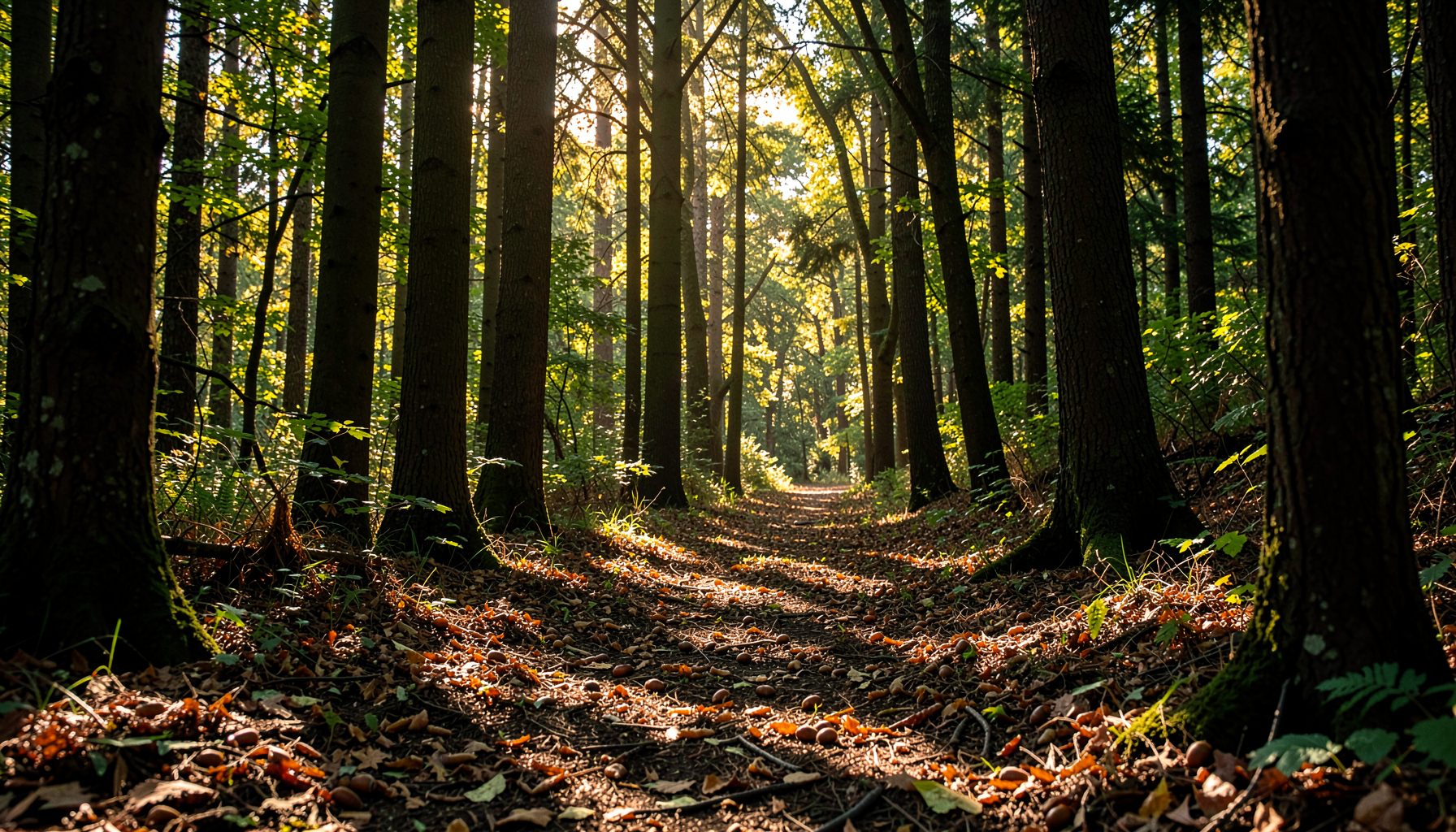
A forest is more than its tallest trees. Beneath the canopy, a living layer of young trees, shrubs, herbs, leaf litter and fungi protects soil, slows rainwater and creates shelter for insects, birds and small mammals. When this understorey is damaged, forest recovery can stall even after large trees return.
Collecting seed from shade-tolerant species helps rebuild that missing middle layer. These plants are adapted to germinate, grow or persist in filtered light, making them valuable in streamside forests and established woodland where sunlight rarely reaches the ground.
The principle is relevant well beyond the Potomac River watershed. In Australia, urban creeks around Melbourne, Sydney and Brisbane often pass through narrow corridors where mature trees cast heavy shade. Replanting only fast-growing, sun-loving species can leave these areas structurally incomplete and vulnerable to weeds, erosion and heat.
Growing Native focuses on collecting native hardwood and shrub seed for state nurseries, where it can become healthy streamside seedlings. The approach connects ordinary actions—identifying fruit, gathering acorns or handling seed carefully—with long-term improvements in water quality, habitat and community stewardship.
Understory Begins With Light And Leaf Litter
Shade-tolerant plants have evolved to make use of low light. Their seedlings may grow slowly, remain small for several seasons or wait beneath leaf litter until a gap opens in the canopy. That strategy is useful in mature forests, where the ground is cool and shaded for much of the day.
An understorey rich in native seedlings also performs practical ecological work. Roots hold stream banks together, stems interrupt runoff and fallen leaves feed soil organisms. Shrubs provide nesting cover and berries, while young hardwoods create the next generation of canopy trees. A forest with several layers is generally more resilient than one made up of a single age or height class.
This matters in Australian landscapes where creekside corridors can be shaded by river red gums, spotted gums or planted exotic trees. Local understorey species must be selected for the conditions of each site, including soil moisture, frost, salinity and fire exposure. Shade tolerance is a starting point, not a complete planting prescription.
Seed Traits Shape Forest Recovery
Seeds from shade-tolerant species often behave differently from those of pioneers. Some are relatively large and contain enough stored energy to support a seedling through dim conditions. Others require a period of cold, moisture or alternating temperatures before they germinate. Understanding these traits helps volunteers collect at the right time and avoid treating every seed in the same way.
Seed source is equally important. Healthy parent trees growing in a similar climate and soil can provide better-adapted material for restoration. Collectors should gather from several individuals rather than taking heavily from one tree. This broadens genetic diversity and reduces the risk that a planting project depends on a narrow set of characteristics.
For volunteers working with Potomac species, the guidance in this resource on red maple seed collection illustrates how habitat, fruiting season and collection technique fit together. The same habit of observing a species before collecting is useful in Australian bush regeneration, even though the plants and regulations differ.
Matching Seeds To Moist Forest Sites
Streamside restoration calls for species that can cope with periodic flooding, damp soils and changing water levels. Shade-tolerant trees and shrubs are especially valuable farther from the open water, where canopy cover is stronger and soil moisture may remain stable. Planting the right seed in the right microhabitat improves survival and reduces wasted nursery effort.
Collectors should record the parent tree’s location, habitat, date and approximate condition. A seed gathered from a wet hollow may not be suitable for a dry ridgeline, while seed from a disturbed edge may produce plants less suited to a closed forest. These records allow nurseries and restoration managers to match seedlings with realistic planting sites.
In Australia, creek restoration groups may work beside stormwater drains, peri-urban farms or heavily used walking tracks. A shaded section near Parramatta will have different pressures from a creek outside Canberra, including altered flows, compacted soil and browsing. Site notes help determine whether a lilly pilly, local rainforest shrub or another native species is appropriate, rather than relying on a generic “native tree” label.
Collecting Responsibly In Australian Landscapes
Australian volunteers need to treat seed collection as a regulated activity as well as an ecological one. Native vegetation laws are administered by states and territories, and collecting from national parks, reserves or council land may require permission. The federal Environment Protection and Biodiversity Conservation Act can also apply where nationally protected ecological communities or threatened species are involved.
Private landowners should give clear consent, and collectors should never remove seed from threatened plants without specialist approval. It is also wise to check local council or land-management rules before organising a school or workplace collection day. A lawful collection protects both the program and the places volunteers are trying to restore.
Biosecurity is another everyday consideration. Clean boots, bags and tools between sites to reduce the spread of Phytophthora dieback and other soil-borne pathogens. Do not move seed, soil or plant material across state or territory borders without checking current requirements under Australian biosecurity rules. Seeds gathered for a Potomac program should remain within the approved supply chain and should never be substituted with Australian material.
From Forest Floor To Nursery Bench
After collection, seeds need careful handling. Volunteers should remove damaged or mouldy material, label each batch and keep it cool when the species requires it. Some fleshy fruits need cleaning soon after harvest, while nuts may need moisture management to remain viable. Guesswork can quickly reduce germination rates.
Nurseries can turn a modest community collection into thousands of restoration plants. The Growing Native program links volunteers with seed collection, tree identification and watershed education, helping people understand what happens after a bag of acorns or walnuts leaves the forest. That connection gives collecting a clear purpose beyond a single planting day.
For Australian community groups, the equivalent pathway may involve a local Landcare network, council nursery or accredited native plant supplier. The Australian native plant market is increasingly interested in provenance, habitat value and waterwise species, but buyers should ask whether stock was legally sourced and grown for the intended region. Cheap plants of unknown origin can be a poor choice for ecological restoration.
Practical Collection And Handling Priorities
A well-organised collection day makes careful behaviour easier. Families, schools and workplaces can divide tasks between identification, recording, gathering and hygiene. Children can learn to recognise fruit and leaves without being encouraged to strip a tree, while adults supervise permissions, quantities and transport.
Use these priorities to support a responsible seed collection:
- Confirm land access, seasonal restrictions and any required permits before arriving.
- Collect mature, healthy seed from several parent plants rather than one prolific individual.
- Leave enough fruit and seed for wildlife, natural regeneration and the parent plant’s future growth.
- Label every batch with species, date, location, habitat and collector details.
- Keep tools, footwear and containers clean, especially when moving between waterways.
- Deliver seed promptly according to the receiving nursery’s storage and transport instructions.
These habits are useful in Australia’s weekend gardening culture, where a community planting event may attract neighbours who are accustomed to buying plants from a local nursery but have little experience with provenance or seed biology. Clear instructions turn enthusiasm into reliable restoration work.
Measuring Recovery In More Than Trees
Success should be measured by the return of a functioning understorey, not simply by the number of seedlings planted. Useful indicators include seedling survival after summer, increasing shade cover, reduced bare soil, stable stream banks and the appearance of native leaf litter. Observations of birds, pollinators and decomposers can reveal changes that tree counts miss.
Monitoring also shows whether the original seed strategy was suitable. If seedlings repeatedly die in exposed positions, the issue may be browsing, drought, altered drainage or a mismatch between species and site. If weeds dominate beneath a newly planted canopy, restoration may need follow-up control and additional ground-layer species.
Australian projects should account for heatwaves, drought restrictions, intense rainfall and bushfire risk. A shaded gully near Melbourne may recover differently from a riparian strip near Brisbane, while a suburban creek in Adelaide may face irrigation limits and highly modified soils. Keeping simple records over several years helps volunteers adapt without abandoning the ecological goal.
Shade-tolerant seed collection is a small action with a long horizon. Each carefully sourced seed can contribute to a layered forest that cools waterways, shelters wildlife and holds soil in place. When volunteers follow local laws, protect genetic diversity and work with nurseries, their effort becomes part of a restoration system rather than an isolated activity.
To take part, explore the volunteer and education resources available through Growing Native, then connect the lessons to a local Landcare group, school garden or creek-care project in your area. Collect thoughtfully, record what you learn and help give future forests the understorey they need.