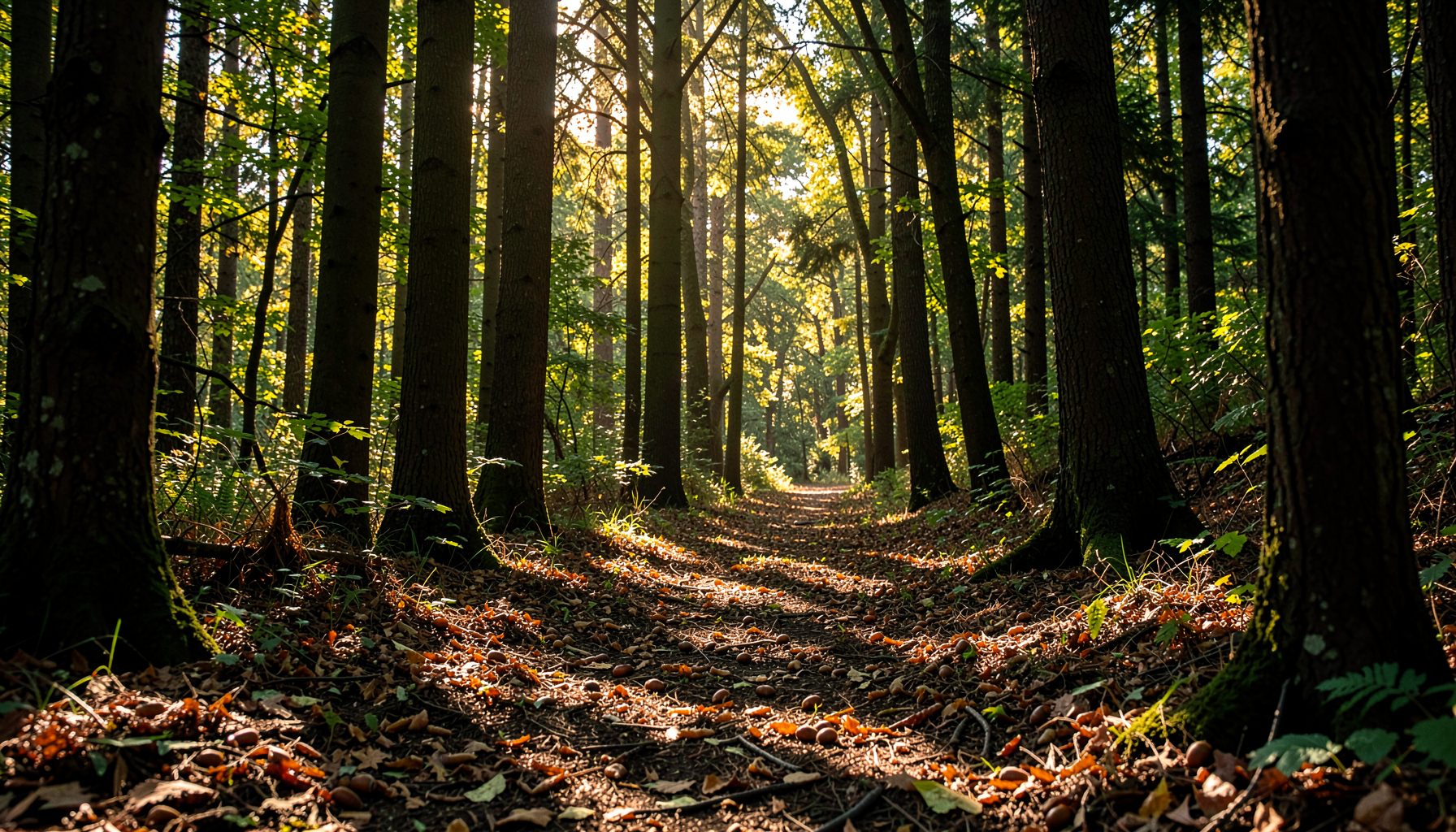
Why Heavy Oak Canopies Matter for Tomorrow’s Forests
A broad, vigorous canopy is one of the clearest signs that an oak has reached a productive stage of life. Its leaves capture sunlight, its roots draw water and minerals, and its branches support the acorns that will become the next generation of trees. When seed collectors choose healthy oaks with substantial crowns, they give nurseries access to seed from trees that have already demonstrated their ability to grow and reproduce in local conditions.
This does not mean every acorn beneath the largest tree is automatically superior. Canopy size is a useful field clue, rather than a complete measure of genetic quality. Collectors must also consider the tree’s health, its location, the timing of seed fall, and whether several parent trees are represented. A careful collection produces a stronger and more varied seed supply than gathering large quantities from one convenient tree.
For a restoration program such as Growing Native, the purpose extends beyond planting individual trees. Native hardwood and shrub seeds are raised in nurseries and eventually returned to streamside areas, where they can stabilise soil, filter runoff, cool waterways, and reconnect fragmented habitat. Each carefully chosen acorn or walnut contributes to a living system that may serve communities for decades.
The principle is valuable in Australia, too, even though local restoration often focuses on eucalypts, wattles, casuarinas, paperbarks, and other native species rather than oaks. People in Sydney, Melbourne, Brisbane, Canberra, and regional towns regularly take part in weekend bushcare, school gardening, and creek rehabilitation. Understanding how parent-tree selection works helps volunteers make better decisions wherever locally appropriate seed is being collected.
A Full Canopy Signals Long-Term Strength
A heavy canopy usually reflects years of successful growth. The tree has had to compete for light, withstand wind and seasonal stress, resist pests, and develop a stable root system. A dense crown also indicates that the tree has enough leaf area to produce substantial energy through photosynthesis. That energy supports flowering, acorn development, wound repair, and preparation for the following growing season.
Older, well-established oaks may therefore offer a useful source of mature seed. Their reproductive history provides evidence that they can survive in the conditions surrounding them. In a forest restoration setting, this matters because seedlings face competition, fluctuating rainfall, browsing, disease, and poor soils. Seed from healthy parent trees can improve the likelihood that nursery-grown plants will establish successfully.
Canopy density still needs to be assessed alongside other signs. Dead branches, extensive fungal growth, sparse leaves, repeated drought damage, or signs of insect infestation may make a tree unsuitable. A large crown that is declining should not be treated as a model for future forest health. Collectors should look for vigorous trees with balanced branching and sound seed production.
Why Parent-Tree Diversity Matters
A future forest needs more than fast growth from a single successful parent. Genetic diversity helps a population respond to changing temperatures, new diseases, drought, floods, and shifting pest pressures. If every seedling comes from one oak, the resulting stand may be uniform but vulnerable. Gathering modest quantities from many healthy trees creates a broader genetic foundation.
Collectors should spread their efforts across a reasonable area and record the locations of parent trees. Seeds from nearby trees may be well adapted to the same soil and climate, while material from a distant region may perform poorly after planting. Local provenance is especially important in waterway restoration, where soil moisture, flood frequency, and seasonal temperatures can differ over short distances.
For Australian volunteers, the same principle applies when collecting native seed under an approved program. A seed lot gathered from several local wattles or eucalypts is usually more useful than one taken from a single roadside tree. However, local does not mean “collect anywhere.” Land ownership, conservation status, and state or territory rules determine what may be collected and where.
Reading the Tree Before Gathering Seed
Good seed collection begins with observation rather than speed. The collector can examine the crown, trunk, ground beneath the tree, and surrounding vegetation. A healthy oak with a broad canopy, abundant mature acorns, and little evidence of disease is a promising candidate. The ground should also show that seeds are being produced in a normal seasonal pattern rather than following severe stress or premature branch loss.
Tree identification is equally important. Oaks can look similar at a glance, and acorn shape, cap structure, leaf lobes, bark, and growth form can vary between species. Volunteers can use Growing Native’s tree identification guide to build confidence before collecting. Correct identification protects restoration projects from accidental mixing and helps organisers match seed to the right nursery process.
Timing affects quality. Acorns should generally be collected when they are mature and have naturally begun to fall, rather than stripped from green branches. Freshly fallen seed is less likely to have been damaged by drying, although it still needs inspection. Cracked, mouldy, insect-bored, shrivelled, or unusually light acorns should be separated from sound material.
What to Look For Before Collecting
- A broad, leafy canopy with balanced branches and limited dieback
- Several healthy parent trees within the approved collection area
- Mature seeds that have naturally fallen and show good weight
- A site free from obvious chemical contamination, heavy traffic, or dumping
- Clear permission from the land manager or restoration organiser
How Healthy Seed Supports Waterway Recovery
Streamside forests are working infrastructure. Their roots bind banks, their leaves shade the water, and their leaf litter feeds aquatic organisms. Trees also intercept rainfall, slow overland flow, and help soil absorb water instead of sending sediment directly into a creek. Planting well-sourced seedlings can therefore improve both habitat and water quality.
The relationship is particularly relevant to the Potomac River watershed, where erosion and stormwater runoff affect streams, farms, suburbs, and downstream communities. A seed collected from a robust parent tree may eventually become part of a riparian buffer that protects a bank during heavy rain. The effect is gradual, but repeated across many planting sites it can strengthen an entire watershed.
Australian communities recognise similar benefits along urban creeks and rivers. In Melbourne, revegetation projects help shade waterways and reduce bank erosion; around Brisbane, creek corridors must cope with intense summer rainfall; in Canberra and regional New South Wales, revegetation can support waterways affected by drought, fire, and sudden storms. The species will differ, but the restoration logic remains consistent.
Responsible Collection Protects Wild Populations
Seed collection must leave enough food for wildlife and enough natural regeneration on the site. Birds, mammals, insects, and fungi rely on fallen seeds, while some acorns may germinate without human assistance. Removing every seed from a productive tree can reduce ecological function and make a site less resilient. Small, distributed collections are generally safer than intensive gathering.
Collectors should avoid trampling seedlings, disturbing leaf litter unnecessarily, or damaging branches. Clean containers, breathable bags, accurate labels, and shade during transport help preserve viability. Labels should include the species, collection date, location, parent-tree information, and any relevant habitat notes. Nurseries can then handle seed according to its storage and germination requirements.
Australian law makes permission particularly important. Seed collection in national parks, council reserves, state forests, and private land may require approval, and rules vary between states and territories. Biosecurity requirements also matter when moving plant material between regions. A volunteer should follow the instructions of the program, council, land manager, or nursery rather than assuming that fallen seed is free to take.
Turning Volunteer Effort Into Forest Stewardship
Seed gathering is an accessible way to connect people with ecological restoration. Families can learn to notice seasonal changes, schools can link seed collection with biology and geography lessons, and workplaces can support local conservation through organised volunteer days. In Australia, this fits naturally with weekend bushcare, community garden activities, and the habit of visiting parks and reserves for walking or outdoor exercise.
The local native plant market also benefits from reliable, ethically sourced seed. Nurseries, councils, and revegetation contractors need plants with known provenance and clear records, especially for creek repair, roadside rehabilitation, and habitat corridors. Demand for native seedlings is growing alongside urban development, water-sensitive design, and environmental offset work. Good collection practices help ensure that supply serves ecological goals rather than encouraging indiscriminate harvesting.
A strong volunteer program combines practical work with education. Participants learn to distinguish a mature seed from damaged material, understand why genetic diversity matters, and recognise the connection between a tree on a hillside and water quality downstream. That knowledge can shape everyday choices, from supporting local native nurseries to caring for street trees and keeping soil covered during dry weather.
Practical Ways to Protect Seed Quality
- Keep seed lots from different parent trees labelled and traceable
- Handle acorns gently and remove damaged material before storage
- Transport collections promptly in breathable containers and out of direct sun
- Follow nursery instructions for cleaning, storage, and germination
- Record permissions, site conditions, and collection dates for future monitoring
A large oak canopy is valuable because it represents accumulated resilience, productive capacity, and adaptation to place. Used carefully, that information helps restoration teams select seed that can contribute to healthy forests rather than simply filling a planting schedule. The best results come from combining canopy assessment with species knowledge, genetic diversity, local provenance, legal permission, and respect for wildlife.
Growing Native turns these principles into practical conservation across the Potomac watershed by connecting volunteers with seed collection and forest recovery. To take part, visit the volunteer opportunities and help gather the next generation of trees for cleaner waterways, stronger streambanks, and more resilient forests.