Black Walnut Seeds and the Quiet Work of State Nursery Partnerships
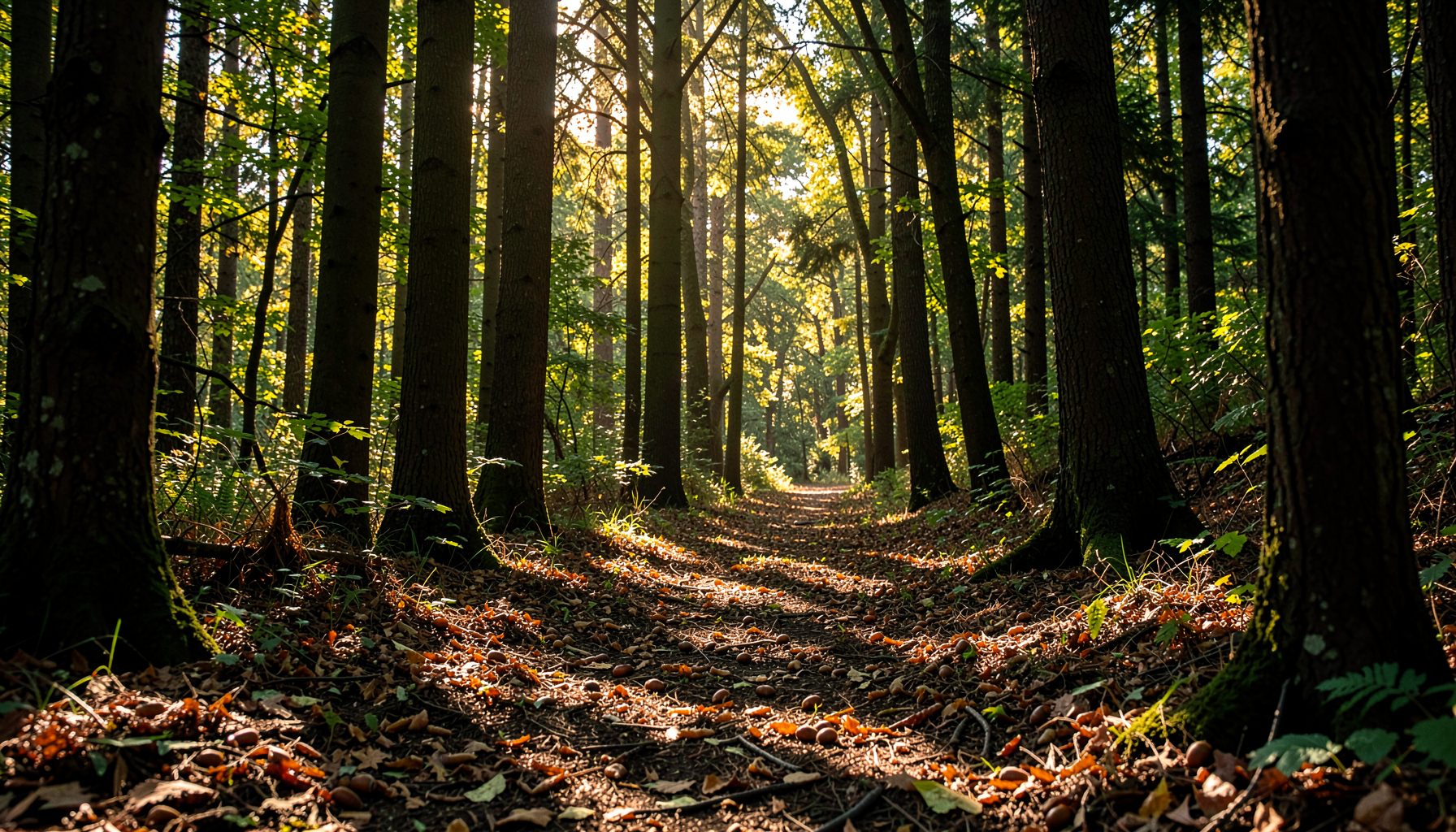
Across the temperate woodlands of the Potomac, a slow harvest takes place each autumn when volunteers gather fallen black walnuts from beneath mature trees. The nuts feel heavy in the hand, their husks staining fingertips with a deep amber dye that refuses to wash out for a week. That same weight is what makes them valuable to the state nurseries contracted by Growing Native to grow streamside seedlings, because every kilogram of seed collected by community hands eventually becomes a tree holding a streambank together. The chain from forest floor to nursery bed is longer than most volunteers realise, and the black walnut sits in a unique position within it.
In Australia, the impulse to gather native seed for revegetation is already familiar through organisations such as Greening Australia and the many local Landcare and Bushcare groups that fan out each year to collect eucalyptus, acacia, and banksia seed. The practice has shaped entire industries, from mine-site rehabilitation to post-bushfire recovery in the Yarra Ranges outside Melbourne and the Adelaide Hills. Comparing that scale to a single species like black walnut reveals how a focused seed collection effort can quietly do the same job that broad Australian campaigns do every spring and autumn.
The work feels modest at the moment of collection, yet the downstream effect is anything but. A black walnut tree produces juglone, a natural biochemical that limits what can grow beneath its canopy, which is one reason the species tends to be overlooked in casual planting. State foresters value the tree precisely because of that toughness, and because its deep taproot stabilises soil in a way that shallow-rooted species cannot. When a community drops a few buckets of cleaned seed at a depot, the donation feeds directly into reforestation targets that take decades to meet.
What Makes Black Walnut Seeds a Nursery Asset
Black walnuts belong to the family of mast seeding species, which means they produce bumper crops every few years and lighter yields in other years. That irregular abundance makes volunteer collection especially important, because a mast year can overwhelm the capacity of any single paid crew. State nurseries rely on these pulses to keep their seedling production lines full, particularly because the species takes longer than oaks to reach a plantable size and requires patience that commercial growers seldom have. Volunteers fill the gap between mast years and contracted output, smoothing the supply curve that nurseries depend on.
The seed itself needs a winter of cold, moist stratification before it will germinate reliably, which is why nurseries prefer to receive nuts in autumn rather than wait for spring-sorted seeds that may have dried too much. Volunteers who learn to identify fresh, undamaged nuts and deliver them quickly provide a head start that no later handling can replace. A handful of well-collected black walnuts is worth several kilograms of stored seed, since viability drops sharply once the nut has been left sitting in a hot garage or a dry shed.
There is also a quiet genetic benefit. Seeds gathered from across many sites preserve local adaptation, which matters because a seedling grown from a Potomac valley mother tree tends to thrive in a Potomac valley planting. State nurseries prize that local provenance, and volunteer collectors preserve that pattern by sampling broadly across the watershed rather than returning to the same patch every season.
How Volunteer Collection Strengthens Reforestation Pipelines
Volunteer seed drives turn a passive landscape into a working one, because every citizen who learns to identify a black walnut becomes a small monitoring station for the entire population. Forests in Australia benefit from the same model, whether it is a Brisbane bushcare group mapping the camphor laurels choking a creek line or a Hobart crew documenting the spread of willow along the Derwent. The pattern is identical: local eyes produce local data, and local data drives restoration decisions. A volunteer base trained to recognise black walnut at a glance catches outbreaks of dieback, signs of poor mast years, and the encroachment of invasive vines before a paid forester ever notices.
When Growing Native organises a collection event, the harvest is weighed, sorted, and packed according to species-specific protocols developed with the receiving nurseries. That level of care matters more than raw volume, because a single misidentified seed lot can set a nursery back an entire growing season. Volunteers who return year after year build a working knowledge of which trees drop early, which hold their crop late, and which sites are reliably productive. That institutional memory is a form of capacity that no grant can purchase.
The pipeline also benefits from the diversity of hands that show up. School students in Canberra collecting alongside retirees in regional Victoria, or office teams in Perth lending a Saturday morning, all contribute to a community of practice around seed stewardship. That shared practice is itself part of the restoration work, because seedlings grown from locally known sources tend to be planted with greater care than seedlings bought from anonymous suppliers. The act of collecting becomes a quiet promise to plant.
Connecting Local Seed Networks to Broader Watershed Goals
A watershed is a slow conversation between land and water, and black walnuts contribute a particular voice to that conversation because of their root depth and longevity. Their taproots reach well below the rooting zone of most surface vegetation, which lets them draw water from deeper strata and release it slowly through transpiration. Along a stream corridor, that slow release softens the pulses of stormwater that scour banks and smother aquatic life. Every black walnut seedling that a state nursery raises and streamside planters install adds another small buffer in that larger conversation.
In Australian terms, the analogy holds up well. Melbourne's efforts to cool the urban canopy through Yarra River revegetation, Sydney's work around the Harbour catchment, and Brisbane's bushcare plantings along the Bremer all rely on deep-rooted species doing exactly the same quiet work. A streamside black walnut in the Potomac performs the same hydraulic function as a river red gum along the Murray, and the nurseries that raise these trees are doing the same patient labour in either hemisphere. Volunteers collecting seed in either place become part of a global craft that values slow-growing natives over fast-growing imports.
Growing Native links these local efforts to the broader watershed plan by donating seed to state nurseries that share its species targets. The arrangement means that what looks like a handful of nuts dropped at a collection station is, in practice, a vote for a particular kind of forest composition. Years later, when those seedlings are lifted from the nursery bed and planted along a degraded tributary, the volunteers who collected the parent seed rarely get to see the result. That gap is intentional, and it is what gives the work its long reach.
Practical Steps for Organising a Community Seed Drive
A good seed drive begins well before the first walnut hits the bucket, because the success of a collection depends on choosing the right trees at the right time. Site selection matters, since isolated trees with poor pollination partners tend to produce blanks, and trees growing on compacted urban soil often drop smaller, less viable nuts. Walk the candidate sites in late summer to identify the largest, healthiest crowns, and mark the locations on a shared map so volunteers can rotate between them. Tools should be simple: heavy gloves for husking, clean tarps for catching, mesh bags that breathe, and clearly marked labels for each collection bag.
Recruiting volunteers is its own craft. Reaching out through local schools, environmental clubs, scout troops, and workplace giving programs tends to bring in the kind of steady, careful hands that seed work rewards. Pairing new collectors with experienced ones builds the kind of intergenerational knowledge transfer that Landcare Australia has practised for decades. Provide a short briefing on what ripe seed looks like, what to leave behind, and why bruised or insect-damaged nuts are rejected at the depot. A ten-minute orientation saves hours of frustration later.
Post-collection handling is where many well-meaning drives quietly lose their value. Husks should be removed soon after gathering to prevent mould, and the cleaned nuts should be kept cool, damp, and out of direct sunlight until they reach the nursery. Volunteers who can store the seed in a shed or unheated garage for a few days are often the most useful partners of all. For groups who cannot manage the logistics in person, the virtual seed identification workshop gives coordinators a way to train crews online before the season opens.
Field Notes for Black Walnut Seed Collection
- Map mature black walnut trees in your local area before autumn, marking the largest, healthiest specimens on a shared walking map.
- Partner with a nearby state forestry depot and agree on collection protocols, label formats, and drop-off windows well in advance.
- Host a short community briefing on identifying ripe seed and recognising the difference between sound and blank nuts.
- Recruit seasoned collectors as mentors for first-time volunteers, following the apprenticeship model used by Australian Landcare groups.
- Keep collected seed cool, damp, and shaded between gathering and drop-off to maintain viability during storage and handling.
- Label every bag with provenance details, including the tree, the date, and the collector, so nurseries can honour genetic diversity.
- Stay in touch with the receiving nursery after drop-off, asking for updates that you can share back with the wider volunteer team.
Once a bag of black walnuts arrives at the receiving depot, the nursery takes over with a process that begins with a second round of cleaning. Floating tests in water separate viable nuts from blanks, since sound seed is heavy and pinhole-damaged seed often floats. The accepted lot is then counted, weighed, and logged into a database that tracks provenance down to the collection site, which matters because genetic diversity is one of the invisible assets a nursery protects. Cold, moist stratification in sand or peat follows for several months, after which the nuts are sown in raised beds and left to germinate under shade cloth.
Two to three growing seasons later, the seedlings are lifted, root-pruned, and graded for streamside planting. By that point, the original volunteer collector has usually forgotten which tree their seed came from, which is a small mercy because the trees they helped raise are now considered for planting in places the collector may never visit. State forestry crews, conservation district staff, and partner organisations take over the next phase, installing the seedlings along riparian buffers, mine reclamations, and shelter belt sites. The foresters count survival rates, track growth, and report back to the nurseries in a feedback loop that slowly refines every step.
Growing Native supports that loop by carrying the administrative weight that volunteers cannot, including fundraising, partnership contracts, and reporting. Anyone curious about how their local effort might plug into the larger pipeline is welcome to Contact the program directly to discuss site selection, training resources, or upcoming collection events in the watershed.