Staying safe while collecting native seeds
Collecting acorns, walnuts, and other native seeds is a practical way to support healthier forests and cleaner waterways. Volunteers often work in parks, stream corridors, school grounds, and neighborhood green spaces, where a short outing can contribute to long-term restoration across the Potomac River watershed.
Outdoor collection also brings ordinary field hazards. Ticks may be present in tall grass, leaf litter, and brush, while poison ivy can grow as a vine, shrub, or low groundcover. Knowing how to recognize these risks, dress for the conditions, and check carefully afterward helps volunteers enjoy the work without an avoidable illness or rash.
Preparation does not require specialized equipment. A few clothing choices, basic supplies, and a clear plan for staying together can make seed collection safer for individuals, families, school groups, and workplace volunteers.
Why these hazards matter in collection areas
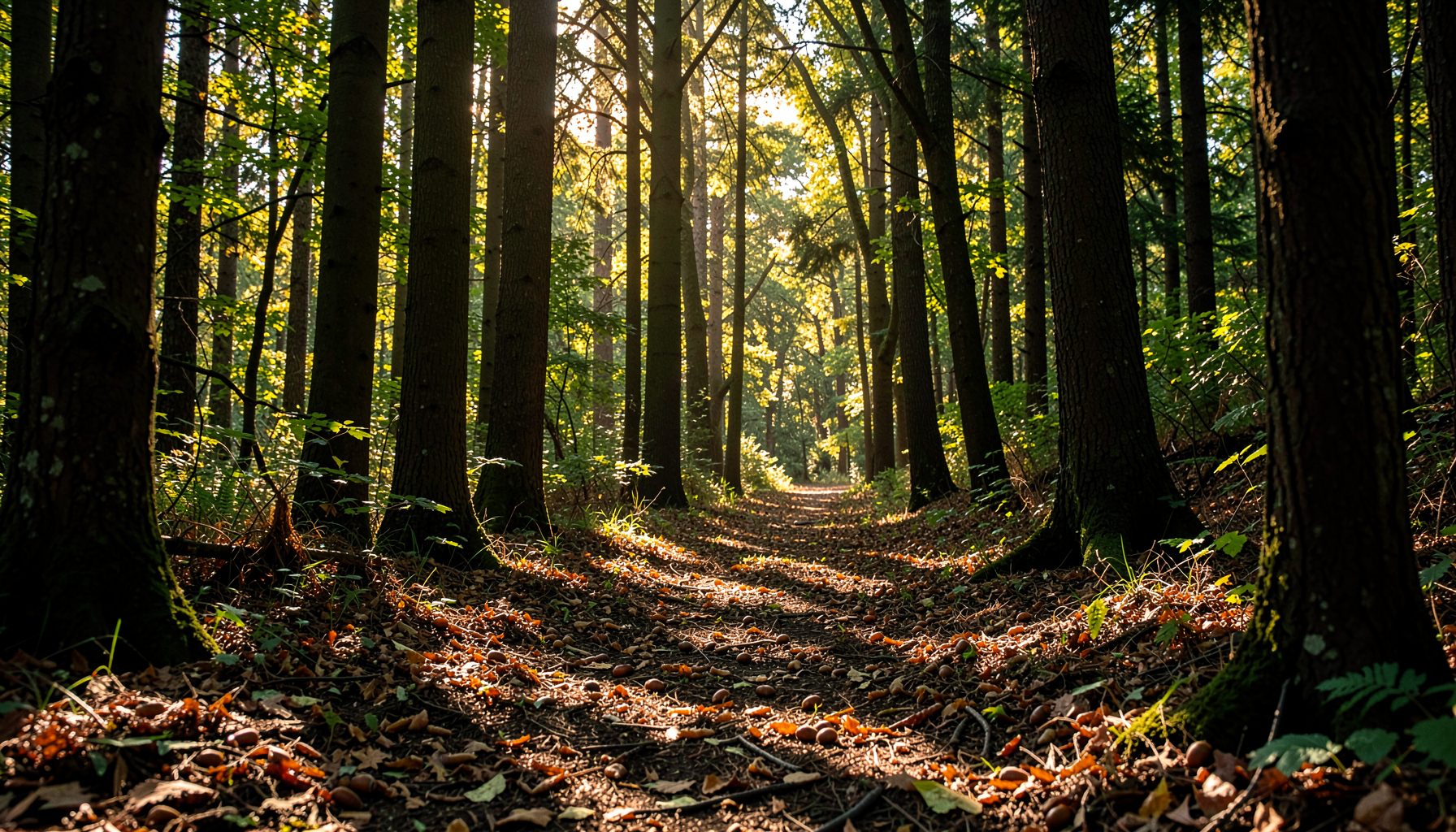
Ticks live in many of the same places where native seeds are found. Acorns and walnuts may gather beneath mature trees beside unmown paths, woodland edges, and streamside vegetation. Ticks do not jump or fly, but they can attach when clothing or skin brushes against leaves, grass, or low branches.
Several tick species occur in the Mid-Atlantic region, including the blacklegged tick, American dog tick, and lone star tick. Their activity varies with weather and season, but a warm day in spring, summer, or fall can still bring exposure. A tick bite may go unnoticed because some ticks are very small, which makes a careful post-activity check important.
Poison ivy is equally variable. It may have three shiny or dull leaflets, reddish young leaves, or no obvious leaves when dormant. Its stems can climb trees, and its roots and branches may remain capable of causing a rash. The plant’s irritating oil, urushiol, can transfer from vegetation to skin, clothing, tools, gloves, and pets.
Prepare before leaving home
Wear long pants tucked into socks or secured at the ankles, a long-sleeved shirt, and closed-toe shoes or boots. Light-colored clothing makes crawling ticks easier to spot. A hat can protect the scalp and reduce contact with overhanging vegetation. For poison ivy protection, smooth, tightly woven fabrics are generally easier to clean than loose knits.
Use an EPA-registered insect repellent according to its label. Products containing DEET, picaridin, IR3535, oil of lemon eucalyptus, or para-menthane-diol can help repel ticks when used correctly. Clothing treated with permethrin can provide additional protection, but it must be applied exactly as directed; some products are designed for clothing and gear rather than skin.
Bring water, disposable gloves or washable work gloves, hand sanitizer, tissues, and a small first-aid kit. Long-handled collection tools can reduce the need to reach into dense plants. Volunteers should also carry a phone, know the meeting point, and tell a group leader about allergies, medications, or mobility concerns before heading into the collection area.
Recognize poison ivy before touching plants
The familiar “leaves of three” rule is a useful warning, not a complete identification system. Poison ivy leaflets may have smooth, toothed, or irregular edges, and the middle leaflet often has a longer stem than the two side leaflets. Leaf color can range from green to red or orange. Because other harmless plants can look similar, avoid touching any unfamiliar three-leaflet plant.
Never burn, mow, or cut suspected poison ivy during a volunteer event. Urushiol can remain active on dead vines and become airborne in smoke, potentially causing serious irritation to the eyes and lungs. Do not collect seeds from a plant that cannot be identified confidently, and ask a trained leader before moving through thick vegetation.
If skin touches poison ivy, wash promptly with cool or lukewarm water and soap. Specialized urushiol-removing cleansers may help, but ordinary dish soap can also remove oils when used soon after exposure. Clean beneath fingernails and wash hands before touching the face. Avoid scrubbing aggressively, since irritated skin is easier to damage.
Clothing, gloves, tools, and shoes should be separated from clean items and washed after the outing. Rubbing alcohol or a product made for removing plant oils may help clean hard surfaces, provided its label permits that use. A pet’s fur can carry urushiol, so animals that accompany volunteers should be handled carefully and washed if they have brushed against suspicious plants.
Prevent tick bites in the field
Stay on established paths or designated collection areas whenever possible. Avoid pushing through tall grass, brush, and leaf litter, and do not kneel directly in vegetation unless the activity requires it. When collecting beneath trees, place a ground cloth or kneeling pad on the soil and keep bags, jackets, and personal items off dense plants.
Perform quick clothing checks during breaks, especially around socks, waistbands, cuffs, and collars. Ticks often crawl for some time before attaching. Use gloves when moving leaves or handling fallen branches, and keep hands away from the face until they have been cleaned.
Seed collection can also be a useful way to learn about local ecology. Growing Native’s urban park seed benefits explains how gathering locally adapted seeds can support restoration while connecting people with the landscapes around them. That connection is strongest when volunteers treat the collection site as a living habitat rather than simply a source of materials.
Check for ticks after the outing
A full tick check should happen as soon as practical after leaving the site and again after showering. Inspect the scalp, hairline, behind the ears, neck, underarms, waist, groin, backs of knees, and between the toes. Parents and caregivers should check children, and volunteers may need a mirror or assistance for areas they cannot see.
Showering within two hours can help remove unattached ticks and makes it easier to find attached ones. Put worn clothing in a hot dryer for a suitable cycle before washing when fabric care instructions allow it. A cool, damp wash may not kill ticks as reliably as heat. Check backpacks, gloves, jackets, and collection equipment as well.
If a tick is attached, remove it as soon as possible with fine-tipped tweezers. Grasp it close to the skin and pull upward with steady, even pressure. Do not twist, crush, burn, or cover it with petroleum jelly. Clean the bite area and your hands afterward. If possible, note the date and location of exposure and take a clear photograph of the tick for identification; routine testing of individual ticks is not generally recommended as a substitute for medical advice.
Seek medical guidance if a rash develops, particularly an expanding rash, or if fever, chills, headache, unusual fatigue, muscle aches, joint pain, or facial weakness appear after a bite. Symptoms may occur days or weeks later. A clinician can assess the exposure and determine whether treatment or monitoring is appropriate.
| Risk | Where volunteers may encounter it | Practical prevention | After-exposure action |
|---|---|---|---|
| Ticks | Tall grass, brush, leaf litter, woodland edges, stream corridors | Long clothing, repellent, staying on paths, clothing checks | Remove promptly with fine-tipped tweezers and monitor health |
| Poison ivy | Tree bases, vines, shrubs, disturbed soil, field edges | Learn identifying features, wear gloves, avoid unknown plants | Wash skin and clean clothing, tools, and pet fur |
| Stinging insects | Hollow logs, flowering plants, brush, ground nests | Watch where hands and feet go, avoid disturbing nests | Leave the area; use first aid and seek urgent care for severe symptoms |
| Heat and dehydration | Open parks, paved areas, long collection sessions | Drink water, take shade breaks, wear breathable layers | Stop activity and cool down if dizziness, confusion, or weakness develops |
Respond calmly to a rash or bite
A poison ivy rash may appear as redness, itching, swelling, or clusters of blisters. It can develop at different times on different parts of the body because urushiol may reach the skin at separate moments. The fluid from blisters does not spread the rash; the plant oil on contaminated objects is the usual concern.
For mild irritation, wash the area, keep nails short, and use cool compresses or other over-the-counter treatments according to label directions. Avoid applying products to broken skin unless a healthcare professional recommends them. Extensive blistering, facial or genital involvement, infection signs, breathing difficulty, or a rapidly worsening reaction requires medical care.
Tick exposure should be recorded without creating unnecessary alarm. Most tick bites do not lead to illness, but prompt removal lowers risk for some infections. Report an attached tick or suspected poison ivy exposure to the event leader, especially when the event is organized for children or a large group. This helps the organization improve safety instructions and helps families remember when symptoms began.
Build a safer group routine
Group leaders should explain the collection boundary, demonstrate safe plant handling, identify areas to avoid, and schedule regular water and clothing-check breaks. A buddy system works well for children and makes it easier to inspect the back of a neck, shoulders, or other hard-to-see locations. Leaders should also know the route to the nearest road and have emergency contact information available.
Before an event, review the site conditions and weather forecast. After rain, dense vegetation may be harder to navigate, and wet clothing can increase discomfort. During hot weather, move collection times to cooler hours when possible. A shorter, well-managed activity is preferable to keeping volunteers outside after conditions become unsafe.
Growing Native provides collection locations through its collection site information, allowing volunteers to understand where events take place and plan suitable clothing and supplies. Site-specific instructions should always take priority, since access rules, terrain, plant communities, and collection methods can differ.
Useful habits for every collection outing
- Wear long, light-colored clothing and closed-toe shoes, then apply repellent as directed.
- Learn to avoid poison ivy rather than relying on a single identification rule.
- Carry gloves, water, hand-cleaning supplies, and a phone.
- Check clothing and skin during breaks and complete a careful tick check at home.
- Tell the leader about a bite, rash, allergic reaction, or unsafe site condition.
When volunteers are prepared, seed collection becomes safer and more productive for everyone. Before joining an event, review the activity details and contact Growing Native through its volunteer contact page if you need site, accessibility, or preparation information. Arrive ready to protect yourself, handle native seeds responsibly, and help restore forests and waterways throughout the watershed.