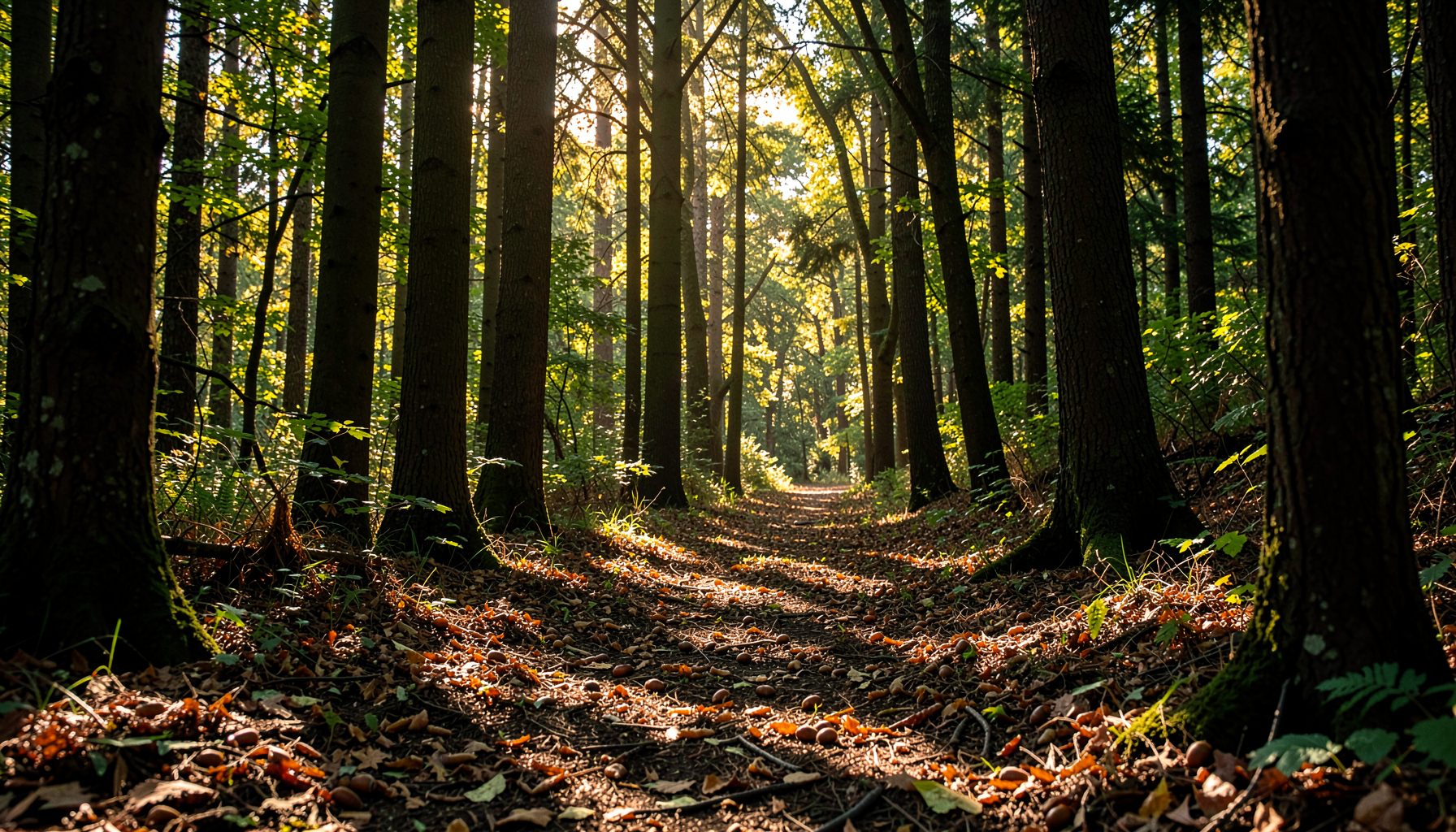
From Forest Floor to Future Streamside Tree
A donated acorn, walnut, or native shrub seed may look like a small contribution, but it begins a carefully managed journey once it reaches a state nursery. Before it becomes a seedling for a restoration project, nursery staff must determine whether it is viable, protect it from drying or mold, provide the right conditions for germination, and raise it until it can survive outdoors.
This process connects volunteer collection with long-term watershed restoration. Healthy trees planted along streams can stabilize soil, shade the water, provide wildlife habitat, and absorb nutrients that might otherwise enter the Potomac River system. The work also preserves genetic material from locally adapted native plants.
For people who want to support this chain of care, volunteer with Growing Native to help collect and prepare the seeds that state nurseries depend on. Understanding what happens after collection makes each handful of acorns or nuts feel like the beginning of a much larger ecological effort.
Receiving And Inspecting A Seed Donation
When a shipment arrives, nursery staff first record its source, collection date, species, and approximate quantity. This information matters because seeds from different locations may be adapted to different growing conditions. A record also allows staff to track germination results and improve future collection and propagation methods.
The seeds are then inspected for freshness, damage, insects, cracks, and signs of disease. Acorns may contain weevil larvae, while nuts can be bruised or split during collection and transport. Staff remove leaves, twigs, empty shells, and other debris, but cleaning is performed carefully so viable seeds are not discarded accidentally.
Species identification is especially important when several native trees fruit at the same time. Volunteers can use field marks such as bark, leaves, nuts, and growth form to reduce confusion. A resource on swamp white oak bark can help collectors distinguish this valuable streamside species from similar oaks before seeds are submitted.
Sorting, Cleaning, And Testing For Viability
After the initial inspection, seeds are sorted by species and condition. Some nurseries use a float test for acorns: damaged or hollow acorns often rise in water, while sound ones usually sink. This test is useful as a screening tool, though it is not perfect. A seed’s weight, firmness, and interior condition can still require closer examination.
Cleaning removes material that could trap moisture and encourage fungal growth. Seeds may be rinsed, air-dried briefly, or treated according to nursery protocols. They generally should not be left exposed to heat or prolonged dry air. Many native tree seeds are sensitive to dehydration, and an apparently clean seed may lose its ability to germinate if handled incorrectly.
Nurseries may test a sample rather than every individual seed. Germination tests, cut tests, or visual inspections help estimate the percentage likely to sprout. That estimate guides how densely the seeds are sown and how many seedlings the nursery can expect to produce for conservation planting.
Dormancy And Cold Moist Storage
Many eastern hardwood seeds are biologically dormant when they fall from the tree. In nature, they spend winter beneath leaves and soil before conditions trigger germination in spring. A nursery recreates this seasonal pattern through a process called stratification, which usually involves keeping seeds cold and moist for a defined period.
Acorns often germinate soon after collection and may be sown in the fall, while other species require several weeks or months of cold stratification. Black walnut, hickory, and several shrub species can have hard coverings or internal dormancy that delay sprouting. Temperature, moisture, and duration vary by species, so there is no single storage recipe for every native seed.
During storage, staff monitor containers and media for excess moisture, mold, and premature roots. Seeds must remain hydrated without sitting in stagnant water. If a seed begins to germinate in storage, it may need to be planted quickly because a delicate emerging root is easy to damage. Collectors who are learning to separate hickory species can consult guidance on identifying bitternut hickory before nuts enter this stage.
| Nursery Stage | What Staff Manage | Why It Matters |
|---|---|---|
| Intake | Source, species, date, quantity | Preserves collection records and supports planning |
| Inspection | Damage, insects, disease, debris | Prevents poor-quality material from entering production |
| Cleaning | Leaves, shells, soil, excess moisture | Reduces mold and improves handling |
| Viability Testing | Soundness and expected germination | Helps estimate seedling numbers |
| Stratification | Cold, moisture, and dormancy period | Mimics seasonal conditions that trigger sprouting |
| Sowing | Depth, spacing, containers, and media | Gives roots room and reduces competition |
| Growing | Water, light, nutrients, and weed control | Builds strong plants for outdoor survival |
| Distribution | Timing, destination, and planting condition | Connects nursery stock with restoration sites |
Sowing Seeds In Nursery Beds And Containers
Once dormancy has been addressed, seeds are planted in prepared beds, trays, or containers. Planting depth is usually related to seed size and species requirements. Large acorns and walnuts need enough soil coverage to remain moist and stable, while smaller shrub seeds may require shallow placement or light exposure.
The growing medium must drain well while holding sufficient moisture. Containers are selected to encourage a strong root system rather than a dense, circling mass. For trees intended for streamside restoration, a well-developed root system is essential because young plants may face wet soils, summer drought, competition from grasses, and fluctuating water levels after planting.
Nursery staff label each bed or container group so species and collection sources remain traceable. This is practical management, but it also supports conservation goals. If a particular seed source performs well in local restoration sites, that information can inform future collection and planting decisions.
Raising Seedlings For Restoration
Germination is only the first milestone. Nursery workers regulate irrigation, light, airflow, and weed growth while seedlings develop their first leaves and roots. They watch for damping-off, fungal disease, insect damage, and nutrient problems. Too much water can be as harmful as too little, especially for seedlings with shallow or newly developing roots.
As plants grow, staff may move, thin, or transplant them to provide adequate space. Some seedlings remain in containers for a season, while others grow in nursery beds before being lifted and prepared for field planting. The schedule depends on species, weather, root development, and the needs of restoration partners.
Seedlings are gradually prepared for outdoor conditions through hardening. Watering and environmental exposure may be adjusted so plants can tolerate transport and planting without severe shock. Before distribution, staff assess whether each plant is large and sturdy enough for its destination. A smaller seedling with a healthy root system may be more suitable than a taller plant with weak or tangled roots.
From State Nursery To Watershed Planting
When seedlings are ready, state nurseries coordinate delivery with agencies, conservation groups, municipalities, and restoration projects. Plants may be destined for stream buffers, floodplains, parks, wildlife habitat, or reforestation areas. The receiving site determines which species are appropriate, how far apart they should be planted, and what protection they need from deer, flooding, mowing, or invasive vegetation.
Streamside planting has a direct relationship to water quality. Tree roots hold banks together, leaf litter supports aquatic food webs, and shade can keep water temperatures suitable for fish and other organisms. A diverse mix of hardwoods and shrubs also creates layered habitat instead of relying on a single species.
After planting, the work continues. Young trees need monitoring, watering during unusually dry periods, and protection from competing plants or browsing animals. The nursery phase increases the chance of success, but careful site preparation and follow-up determine whether seedlings mature into a functioning forest buffer.
What Donors Can Do Before Collection Day
The quality of a nursery crop begins with responsible collection. Volunteers should gather only the species and quantities requested, avoid damaged or moldy material, and keep different species or collection areas separate. Seeds should be placed in breathable containers when appropriate rather than sealed in plastic where condensation can build up.
Collection timing also matters. Mature seeds are generally easier to identify and more likely to produce healthy plants, but they should be delivered according to the program’s instructions. Leaving collected material in a hot vehicle, rinsing it unnecessarily, or storing it for weeks at room temperature can reduce viability before nursery staff ever see it.
Useful habits for seed collectors include:
- Learn the identifying features of the target tree before collecting.
- Record the collection location and date as accurately as possible.
- Handle acorns, walnuts, and other seeds gently to prevent cracks.
- Keep questionable or unfamiliar seeds separate from confirmed species.
- Deliver donations promptly and follow the receiving program’s storage guidance.
These simple steps protect the value of volunteer effort. They also make nursery records more useful, helping conservation professionals understand which native species and local seed sources are available for future restoration.
Help Grow The Next Generation Of Forests
A donated seed passes through many hands and decisions before it becomes a planted tree: a volunteer notices a mature crop, a nursery worker sorts and stores it, a seedling manager raises it, and a restoration team places it where roots can protect soil and water. Each stage adds value to a natural process that forests have performed for thousands of years.
Growing Native helps turn seasonal seed collection into lasting watershed benefits across the Potomac region. Join a collection event, involve a school or community group, or organize a workplace volunteer day through the program. Every sound native seed gives a future streamside tree another opportunity to take root.