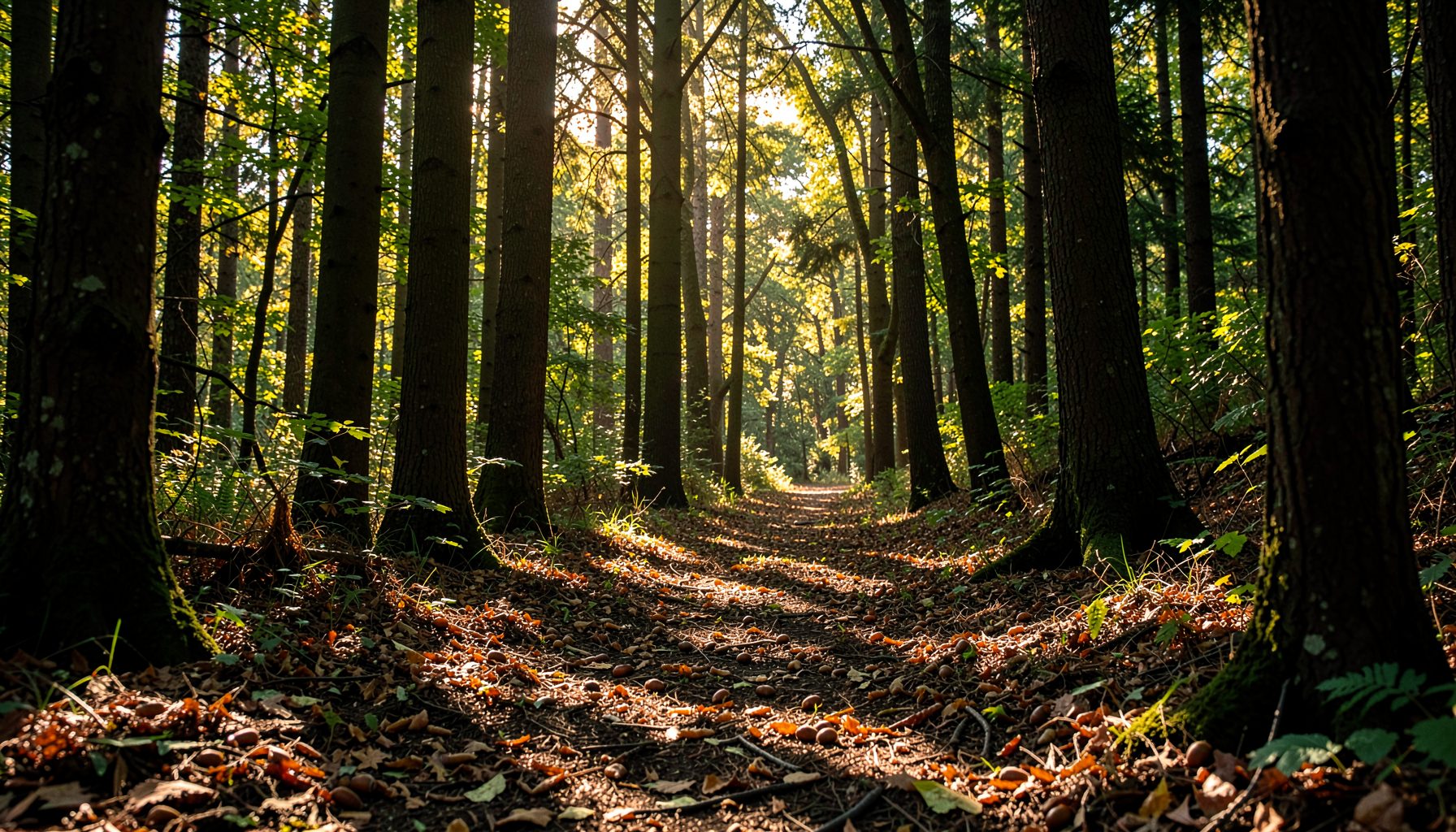
Seed collection and the restoration of historic forest lands
Seed collection is the quiet engine behind the restoration of historic forest lands. An acorn or walnut may look insignificant, but it carries the capacity to grow into a tree that shades a creek, shelters wildlife, holds soil on a bank and changes the water travelling downstream. Gathering seed therefore supports conservation at the earliest stage of forest recovery, before a single seedling reaches the ground.
Growing Native organises volunteers across the Potomac River watershed to collect native hardwood and shrub seeds, including acorns and walnuts. These seeds are donated to state nurseries, where they are grown into seedlings for streamside planting. The organisation also teaches tree identification, forest ecology and watershed health. Its work provides a useful model for Australians restoring native landscapes, although the species, seasons and local rules must be adapted.
Why forest restoration starts with the right plants
Many forests in the Potomac region were cleared for farming, timber extraction, settlement or transport, then left fragmented by roads, lawns and altered drainage. Where native woodland once held the landscape, restoration is not simply a matter of putting any tree into the soil. Oak, hickory, tulip poplar and streamside species need suitable soils, moisture and light, along with genetic material suited to their region.
A restored forest performs work that isolated trees cannot. Roots reinforce streambanks and slow runoff; canopy shade moderates water temperature; leaf litter rebuilds soil and feeds fungi, insects and birds. These processes improve habitat and water quality, reducing erosion and filtering nutrients before they reach the Potomac. They also rebuild connected habitat for species that need more than a single planted specimen.
Seeds provide the biological starting point for that recovery, yet seed alone is not forest. Sustainable restoration also requires habitat protection, invasive-species control, appropriate planting design and decades of care. Useful collections preserve natural diversity by drawing from healthy populations rather than a handful of conspicuous trees. Restoration must also account for future climate conditions rather than trying to reproduce a frozen historical snapshot.
From volunteer seed collection to streamside seedlings
Volunteer seed collectors walk natural areas and collect mature fruit from healthy native trees. Acorns and walnuts are among the most recognisable, while shrub species contribute flowers, fruit and dense cover that can become valuable wildlife habitat. Collectors learn which trees belong in the project, how to distinguish ripe seed from damaged material and how much can be taken without weakening the parent plant.
For people in the Potomac region, Growing Native’s volunteer opportunities explain how individuals, families, schools, community groups and workplaces can participate. Training and field experience help participants recognise suitable species and record collection details accurately. Such records give nursery staff useful information about where the seed came from and when it was gathered.
State nurseries then clean, sort and germinate the donated seed, using treatments suited to each species. Some hardwood seeds require a period of cold stratification before they will sprout. The resulting seedlings are planted along waterways, often on eroding banks or disturbed sites where roots can gradually stabilise the soil. Volunteers continue to support the work through planting, maintenance and monitoring, linking the original collection to the young forest.
What Australian landscapes can learn
Australia has its own native forest communities, including eucalypt, wattle and sheoak woodland, so Potomac species should not simply be imported into local projects. The transferable principle is to use appropriate native seed, maintain genetic diversity and restore trees in ecologically useful positions. Along Australian creeks and riverbanks, that can mean rebuilding shade, understorey structure and stable margins with plants suited to local soils and rainfall.
Cities such as Melbourne, Brisbane and Adelaide show how native planting connects with everyday life. Council nurseries, catchment programs and independent nurseries supply trees for parks, street planting and creek restoration. In the Australian native-plant market, locally sourced seedlings are increasingly valued, although suitable restoration stock may also come from matched climate zones. Buyers and land managers need clear information about provenance so that a convincing local label does not conceal poorly matched genetics.
Seasonal timing also requires attention. Australian autumn generally extends from March to May, opposite to the late-summer and autumn collecting period in the northern hemisphere. Acorns and walnuts encountered in Australian gardens usually come from introduced trees, so their collection should not be confused with gathering native Australian forest seed. Local quarantine rules, seed-transfer restrictions and biosecurity checks apply, particularly when moving material between regions or catching up on wild-sown species.
Australian restoration also has established volunteer traditions. Landcare groups, bushcare crews, school gardens, scout groups and local catchment organisations already bring people together for planting days and habitat care. These networks offer ready-made partners for collecting seed responsibly, teaching ecological skills and caring for plantings beyond the first photograph. Familiar customs such as sharing tools at a working bee and recording observations in a field notebook can strengthen volunteer programmes without complicated equipment.
Responsible collection and practical action
Permissions come before collection. Some land is protected, privately managed or subject to special collecting conditions, and a park does not automatically permit seed gathering. Collectors should confirm landowner approval, identify the species confidently and follow limits on quantities and locations. Growing Native’s advice on northern red oak identification demonstrates how nut and cup features can support careful tree identification in the field.
After collection, seed needs straightforward care. Volunteers should keep lots separate, label them with the species, collection date and location, and remove damaged or mouldy material. Dry acorns should be kept under cool, well-ventilated conditions and never stored warm and damp. Nursery instructions should take priority because storage requirements differ among species. Cleaning tools between sites also helps prevent the movement of weed seeds and plant diseases.
These recommendations translate the Potomac experience into practical steps for Australian restoration groups:
- Work with the land custodian. Confirm collecting permission, local permits and biosecurity requirements before selecting trees or entering a site. Use an experienced identifier when uncertain about a species.
- Match plants to the site. Choose species suited to the soil, aspect, rainfall and water level, with particular attention to flood-prone banks and sites altered by drainage.
- Seek diverse, traceable material. Collect from several healthy parent trees within the appropriate local region, and ask nurseries or seed suppliers to document provenance rather than accepting vague origin claims.
- Protect seed during handling. Keep collections separate, record dates and locations, remove damaged material and follow nursery storage instructions to preserve germination.
- Plan for long-term care. Include watering, weed control, replacement planting and survival monitoring in every project, especially where drought, heat or grazing may threaten young trees.
Seed collection is strongest when it forms part of a wider restoration plan. A group that maps erosion, prioritises streambanks and coordinates planting with land managers can turn separate collections into a coherent programme. Nursery partnerships, educational sessions and volunteer records also make future projects easier to evaluate and sustain.
Join the work of restoring native landscapes
If you live in the Potomac watershed, begin by reviewing Growing Native’s current collection requests and regional events. Choose an activity that suits your availability, bring the equipment listed by the organisers and learn the species priorities for that season. Schools can connect collection with lessons in watershed science, while workplace teams can combine a field day with practical support for native tree recovery.
Across Australia, the equivalent first step is to contact a council nursery, Landcare group, catchment organisation or native-plant nursery. Agree on a site and its ecological objectives, then organise a collection or planting activity with a qualified local contact. Every seed handled with care and every seedling given a chance to establish adds depth to a recovering forest. Start with one partnership, one site and one species, and help the next generation of native forests take root.