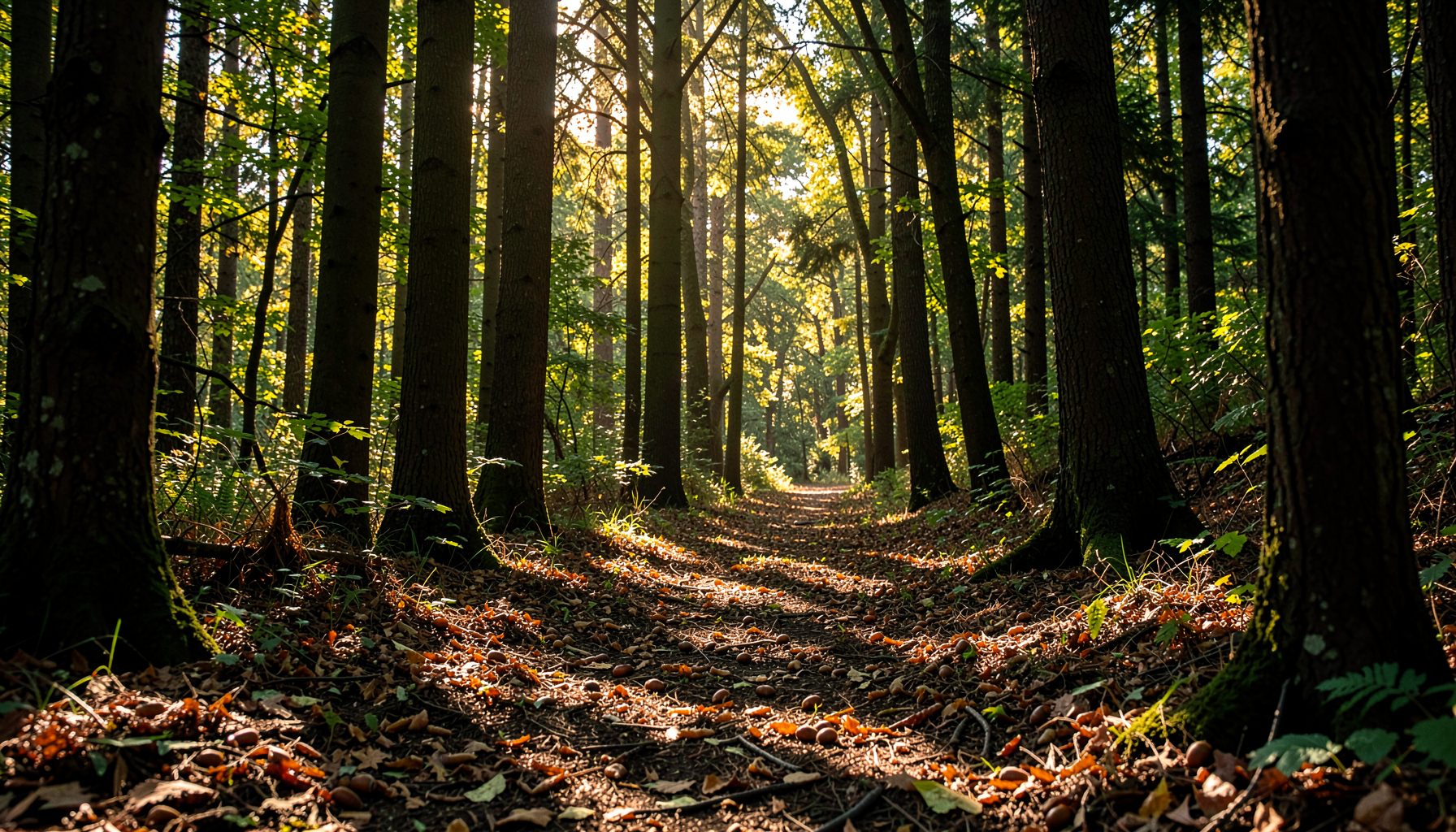
How Nut-Bearing Trees Sustain Small Mammals
Nut-bearing trees are quiet engines of forest life. Their seeds feed animals when soft fruits are scarce, while their trunks, fallen branches and leaf litter create shelter close to the ground. For small mammals, a mature tree can provide food in one season and habitat for many years.
The relationship works in both directions. Rodents, gliders and other seed-eating animals move, bury and sometimes forget seeds, helping new trees establish beyond the parent plant. Their feeding also affects which seedlings survive, shaping the composition of woodland over time.
Growing Native’s work in the Potomac River watershed shows how collecting acorns, walnuts and other native seeds can connect people with that wider cycle. The same principles are valuable for Australian communities restoring creek lines, urban bushland and wildlife corridors, provided local species, regulations and ecological conditions guide each project.
Why Seeds Matter Beyond A Single Tree
Nuts contain concentrated energy, including fats, protein and minerals that are valuable to animals with high metabolic demands. A bush rat moving through dry sclerophyll forest, an eastern bettong searching beneath shrubs or a sugar glider feeding in a woodland canopy may all benefit from seasonal seed resources, although their diets and feeding methods differ.
A reliable supply of mast, the collective term for tree nuts and other hard seeds, can improve survival and breeding success. It may help animals withstand cold weather, drought or gaps between flowering events. When several tree species produce seed at different times, the food supply becomes more dependable than a single flush from one species.
The benefit extends beyond consumption. Nuts cached in soil may germinate after rain, while husks and fragments enrich the litter layer. A tree that feeds a small mammal today can therefore influence future vegetation, soil structure and the availability of nesting sites.
Food Webs In The Leaf Litter
Many small mammals feed on the ground, where nuts are mixed with leaves, bark and fallen twigs. This layer protects seeds from heat and drying, while cover helps animals avoid owls, foxes, feral cats and other predators. Dense understorey plants can make a restored site more useful than a bare planting block with trees spaced widely apart.
Species vary in how they handle hard seeds. Some rodents gnaw through shells, while others carry food to a safer place and return later. Bandicoots disturb soil while digging for invertebrates and underground food, indirectly creating small germination sites. Gliders may take flowers, sap and insects as well as seeds, linking canopy resources with the forest floor.
A diverse food web is more resilient than a simplified one. If one tree fails to produce after a heatwave, other species, fungi, insects and plant foods can fill part of the gap. This is why restoration should focus on a functioning plant community rather than treating nut production as a standalone wildlife feeder.
Australian Landscapes And Local Species
Australia has its own important seed resources. Bunya pines produce large, energy-rich seeds used by people and wildlife, while she-oaks support seed-eating birds and can contribute to woodland food webs. In some regions, native beech, lilly pilly and other fruiting trees provide complementary resources, even though their fruits are not technically nuts. Macadamias are significant in both natural history and the Australian food market, but commercial orchards are not automatically suitable wildlife habitat.
In Canberra’s woodland edges, Sydney’s peri-urban reserves and Brisbane’s creek corridors, small mammals face fragmented habitat and frequent disturbance. Eastern grey kangaroos are too large for this discussion, but species such as bush rats, antechinus, bandicoots and gliders depend on connected patches of vegetation, shelter and seasonal food. Local plant selection matters because a tree that thrives in wet coastal soil may fail on an inland restoration site.
Australian households often spend weekends gardening, visiting bushland or maintaining suburban yards. Replacing a purely ornamental planting with locally appropriate native trees and shrubs can add habitat without turning every garden into a formal conservation reserve. Fallen nuts and leaf litter should not be removed automatically; where fire safety and access allow, leaving some natural material can support ground-dwelling wildlife.
From Fruit To Forest Floor
A nut-bearing tree supports mammals through several layers of habitat. Its crown produces seeds, flowers and foliage; its bark offers crevices and climbing routes; and its roots stabilise soil. As branches fall and roots decay, they create hollows, shelter and fungal habitat that can remain useful long after the tree stops producing nuts.
Water is central to this process. Planting along streams can reduce erosion, shade shallow water and improve conditions for aquatic life, while nearby mammals gain cover and food. In the Potomac watershed, seed collection supports streamside seedlings that contribute to cleaner water and stronger forest structure. Australian Landcare groups apply similar approaches along creeks affected by grazing, weeds and urban runoff.
Restoration outcomes improve when plantings include different ages and forms. Young trees provide future canopy, shrubs create low cover and retained logs give immediate shelter. A site with only newly planted saplings may take years to support animals, whereas a mixture of existing vegetation, dead wood and new seedlings can function sooner.
Risks In Urban And Rural Settings
Nut-bearing trees can be harmed by soil compaction, invasive weeds, browsing and altered water flow. Roads introduce another pressure. In parts of North America, de-icing salts wash into roadside soils and waterways, where they can damage trees and change soil chemistry; Growing Native explains this issue in its guide to the impact of road salt. Australian roads generally face less widespread winter salting, but runoff from heavy traffic, fertiliser, sediment and polluted stormwater creates related concerns.
Urban wildlife also encounters pets, vehicle strikes and artificial lighting. A nut-rich planting beside a busy road may attract animals into danger if it is not connected to safer habitat. Wildlife corridors, underpasses, dense edge vegetation and careful placement near existing bushland can reduce that risk.
Species selection requires restraint. Planting an introduced walnut or oak may produce food, but it can also spread beyond cultivation or displace local plants. In Australia, state and territory laws regulate native vegetation clearing, threatened species habitat and, in some situations, planting or moving plant material. Before collecting or planting, check council guidance, state biodiversity rules and landholder permission.
Collecting Seeds With Care
Seed collection is most useful when it is local, documented and modest. Volunteers should identify the parent tree, record the collection date and location, and gather only a portion of available seed. Leaving plenty for wildlife supports the very animals restoration aims to protect. Diseased, mouldy or damaged material should be separated rather than mixed into a clean batch.
Biosecurity is especially important in Australia. The Biosecurity Act 2015 and state-based requirements can restrict the movement of seeds, soil and plant material between regions. A seed collected near Melbourne may not be appropriate for a site outside its local provenance, while material moved into Western Australia or Tasmania may face strict quarantine controls. Native seed should never be transported casually across borders or released without expert advice.
Volunteers handling walnuts and other hard-shelled seeds also need practical hygiene measures. Gloves, clean containers, handwashing and prompt removal of spoiled material reduce exposure to irritants and fungal contamination. The guidance on handling walnuts safely is useful for groups preparing seed for nurseries or community plantings.
Useful collection habits include:
- Work with landholders, councils, nurseries or recognised conservation groups.
- Identify trees carefully before collecting from them.
- Keep seed lots labelled by species, date and source location.
- Use breathable bags or clean containers suited to the seed.
- Leave enough seed for wildlife and natural regeneration.
- Follow local biosecurity, access and fire-safety requirements.
Designing Habitat That Lasts
A successful project begins with the animals already present and the pressures affecting them. Camera traps, track surveys, community observations and advice from local ecologists can reveal whether a site supports bandicoots, rats, gliders or introduced rodents. That information helps determine whether the priority is more canopy food, denser understorey, safer crossings or weed control.
Food should be spread through time and space. A mix of local trees that seed in different seasons is more valuable than a single-species avenue. Planting groups rather than isolated trees creates better shelter, while maintaining links between creek lines, reserves and larger bushland patches gives small mammals room to move.
Community participation makes monitoring possible over the long term. Schools can compare seed shapes and germination, workplaces can assist with planting days, and families can record flowering or fruiting events without disturbing wildlife. Growing Native’s model of involving individuals, schools, community groups and workplaces demonstrates how seed collection can become an educational activity as well as a restoration task.
A practical restoration checklist includes:
- Match species to local soil, rainfall, fire regime and wildlife needs.
- Protect existing mature trees before adding new plantings.
- Retain safe leaf litter, logs and ground cover where possible.
- Control weeds without removing all low shelter at once.
- Monitor survival, seed production and animal activity over several seasons.
- Replace failed plants with better-suited local species, not simply more of the same.
Grow The Next Forest
Nut-bearing trees are long-term infrastructure for small mammals. Their value cannot be measured only by the number of seeds eaten or seedlings planted in a single year. The real outcome is a living network of food, shelter, soil, shade and movement routes that becomes stronger as trees mature.
Australian restoration groups can start with a local seed day, a creek-side survey or a native tree planting on approved land. Contact a Landcare network, council environment team, school ecology program or conservation organisation, then build the project around careful identification, responsible collection and ongoing monitoring. Each well-managed seed has the potential to become food, habitat and a future forest.