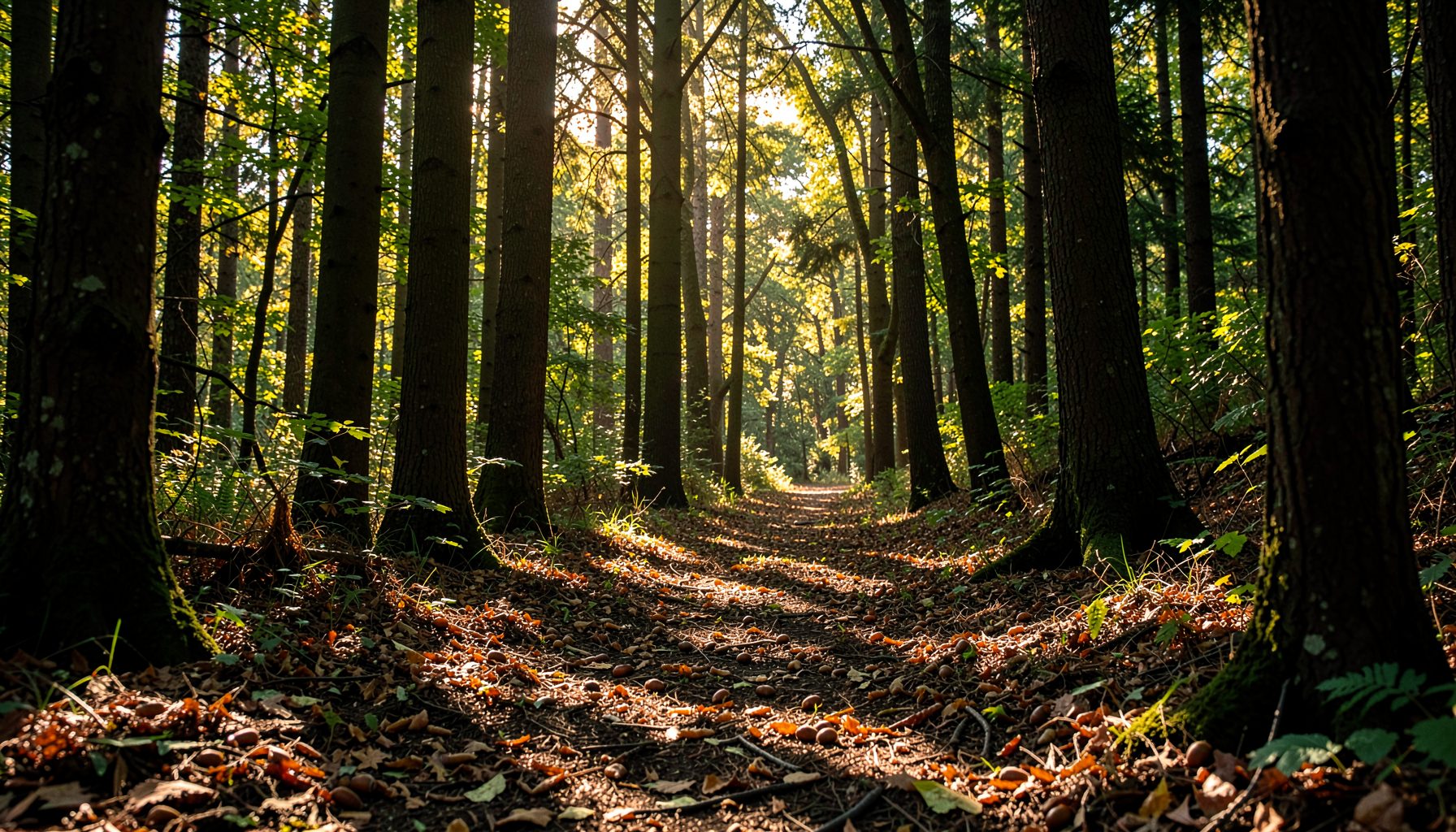
Clean seeds for healthier forests and waterways
Tree seeds can carry fungal spores, bacteria, insect eggs and contaminated soil far beyond the parent tree. When those seeds enter a nursery, poor hygiene can turn a few affected lots into a problem for thousands of young plants. Cleaning seeds therefore protects new forests, restores safer waterways and reduces the chance that harmful organisms travel with donated planting material.
The work at Growing Native in the Potomac River watershed shows why careful handling matters at every stage. Volunteers collect acorns, walnuts and other native seed, then nurseries raise it into streamside seedlings. The same discipline is valuable to Australians involved in bushcare, council revegetation and native-plant nurseries, although local species, climate and biosecurity rules must guide each project.
Why clean seed matters
Seed lots often arrive with fruit pulp, leaves, twigs, grit and the remains of insect larvae. These materials can shelter pathogens or pests, clog germination trays and contaminate neighbouring lots. Removing them lowers the amount of disease material entering the nursery and makes later quality checks far more reliable.
The cost of poor seed hygiene appears after planting. Diseased or damaged seedlings may die, leaving gaps on unstable creek banks and forcing nurseries to replace stock. Vigorous trees instead develop roots that hold soil, canopy that intercepts rainfall and leaf litter that supports aquatic habitat, so prevention at the seed stage protects benefits far beyond the nursery bench.
Cleaning is not the same as sterilising everything. Some valuable organisms naturally occur on healthy seed, and harsh treatment can kill an embryo. The aim is controlled hygiene: remove unwanted material, separate suspect lots and use only treatments known to be safe for the species.
How hidden contamination spreads
Not every tree disease is carried in seed. Oak wilt and Dutch elm disease, for example, usually spread through beetles, root grafts or other pathways rather than seed contamination. However, seed rot fungi, some bacterial pathogens and pests can travel with seed, fruit debris or the soil attached to it.
Humid, crowded nurseries give contamination opportunities. Spores can splash from one tray to another in overhead irrigation, while dirty hands, brushes and shared storage bins carry material throughout the facility. A seed lot that looks merely dusty may therefore be mixed with healthy stock before anyone notices visible symptoms.
Traceability helps stop that spread. Records should identify the species, collection area, date, collector and condition of each lot. Nurseries can then isolate unusual material, adjust handling or reject a batch instead of treating the whole batch as compromised.
Cleaning methods that protect seed quality
Start with sound fruit from correctly identified parent trees and keep each collection separate in a labelled container. Remove pulp, leaves and other debris; screen or hand-sort by size; and discard seed that is mouldy, softened, cracked or clearly insect-damaged. For acorns and walnuts, keep useful seed intact while removing loose waste and checking for boring insects.
Clean the work area between lots. Wash and dry trays, use clean gloves and brushes, keep containers labelled, and avoid mixing seed from different trees or locations. Air-dry material thoroughly before storage, because trapped moisture encourages mould and makes hidden infestation more likely.
Approved treatment is a separate step. Hot-water or sanitation procedures used by some nurseries require precise timing and temperature, while bleach or fungicide can reduce germination if used incorrectly. Follow the receiving nursery’s protocol, document any treatment and keep clean, dry seed in ventilated, pest-protected storage until dispatch.
Australian conditions and biosecurity
Australian native-plant nurseries supply stock for projects ranging from Melbourne community plant markets to Sydney bushland recovery. Eucalypts, wattles, bottlebrush, grevilleas and lilly pilly are familiar examples in the local trade. Their seed may need species-specific preparation, showing that “clean” must mean suitable for the plant rather than simply spotless.
Climate changes the risk. Brisbane’s humid summers encourage mould in damp seed rooms; Melbourne’s cool, wet spring can prolong fungal activity; Adelaide’s dry heat and drought make storage conditions very different; and Sydney’s fire-recovery plantings depend on healthy, fast-establishing stock. Local protocols should respond to these conditions instead of copying a single method everywhere.
Customs controls add another layer. Australia’s Bicon system and state regulations govern seeds and plant material entering the country, and travellers should never pack foreign acorns, walnuts or live seedlings without approval. Buying locally from reputable nurseries, using clean germination media and keeping imported planting material out of native seed batches helps prevent pests crossing borders.
Healthy trees protect waterways
Streamside trees reduce erosion by anchoring banks with roots and slowing runoff. Their canopy shades the water, moderates temperature and traps leaves and sediment before they reach deeper pools. Replacing failed seedlings with healthy ones therefore strengthens the whole waterway rather than merely increasing the tree count.
The Potomac programme links seed hygiene to this outcome. Native hardwood and shrub seed are collected by volunteers, donated to state nurseries and grown into seedlings for streamside planting. Every clean, traceable lot reduces the chance that nursery disease will produce gaps where runoff can scour the bank.
A diverse supply of trees and shrubs adds further resilience. The benefits of collecting native shrub seeds are useful to understand because species such as viburnum contribute roots, flowers, fruit and habitat. A varied planting is less vulnerable than a single-species stand to the pest or disease that targets one plant.
Responsible community seed collecting
Volunteers can make a major difference, but collection must begin with a locally approved species list. In Australia, permissions may be required in reserves and on managed land, and cultural heritage areas deserve respect. European black walnut and ornamental escapes can be invasive, so seeds from familiar garden trees should never be treated as suitable local restoration stock.
Clean hands, tools and containers are especially important at school, workplace and community collection days. Australia’s custom of sharing plants, cuttings and seedlings is helpful when every participant checks pest freedom and local suitability. Keep soil out of seed bags, bag each lot separately and move only clean material between collection stations.
Good records turn a casual activity into useful ecological work. Note the parent tree, habitat, date and any signs of disease, and separate collections that came from unusual or visibly affected trees. Reports of decline, unusual growth or pests should go to the nursery or local plant-health adviser before the seed is mixed or distributed.
Turn careful seed handling into action
People interested in the Potomac programme can explore volunteer opportunities and practical learning at Growing Native. The organisation demonstrates how collecting, cleaning, tracing and nursery growing fit together, while Australian participants can apply the same principles through Landcare groups, council nurseries, catchment groups and local seed collectives.
Choose a project that has a clear local purpose and an approved species list. Ask the receiving nursery how it wants seed cleaned, labelled and stored, prepare clean containers before collection day, and assign one person to check identification and records. This small routine prevents a whole day’s work from becoming contaminated stock.
Make the next handful of seeds a careful contribution to a healthier landscape. Clean each lot, protect it from moisture and pests, record its origin, and deliver it to a nursery or restoration program that can trace it safely. Through that practical chain—from parent tree to planted seedling—communities can build stronger forests, cleaner waterways and lasting resilience.