How Growing Native seed collection supports cold water fisheries
When you stand beside a shaded creek in the highlands, watching mayflies drift over a deep pool where a trout holds steady in the current, it feels as though the landscape has always been this way. The forest leans over the water, the water runs clear and cool, and the fish have everything they need. What you cannot see is the long chain of events that produced the scene. Somewhere upstream, a mature oak or walnut dropped a seed that became a sapling, that sapling grew into a tree, and that tree now shades the water, drops insects into the current, and holds the bank together with its roots.
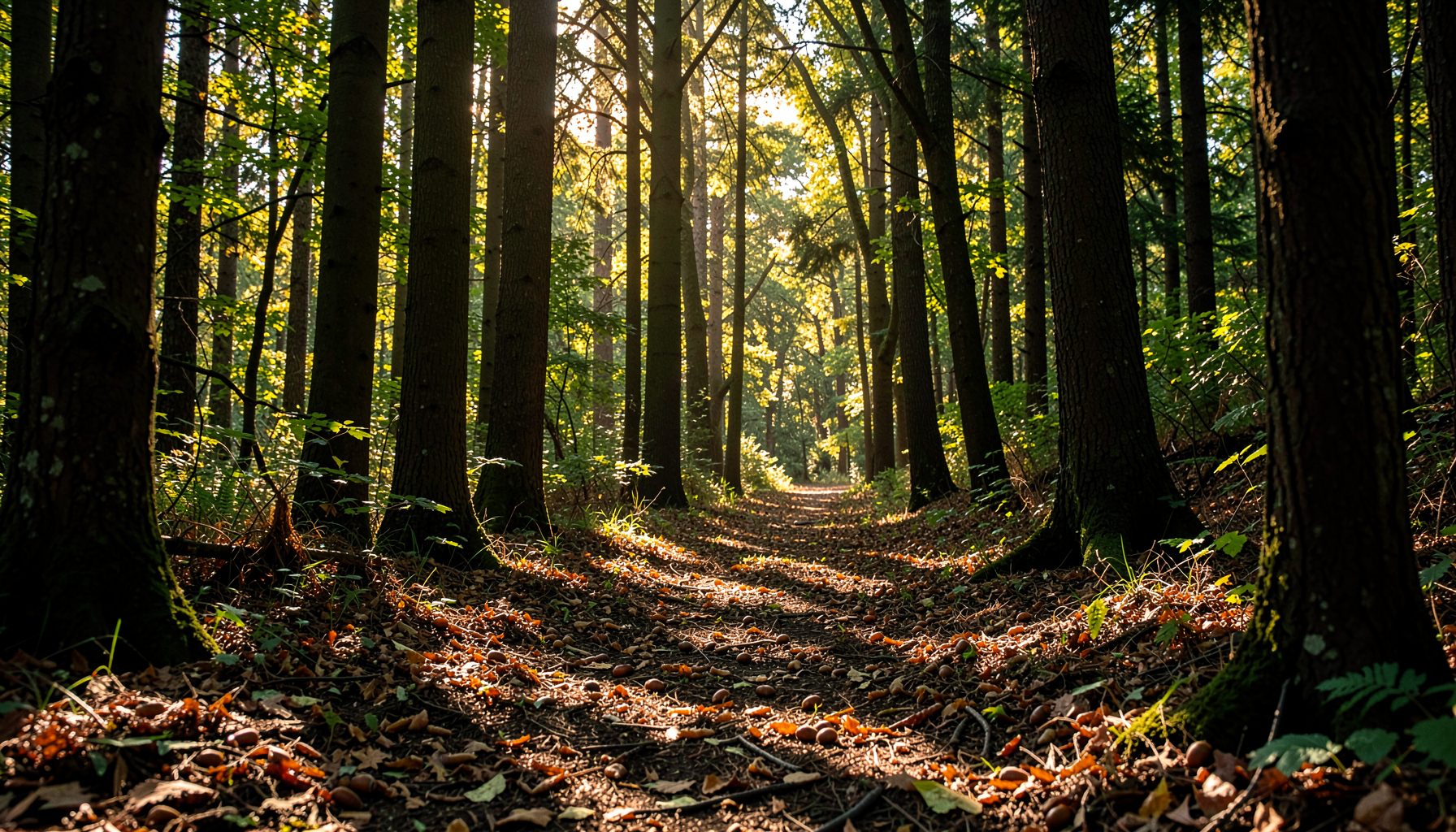
That chain is exactly what Growing Native works to rebuild across the Potomac River watershed. Volunteers fan out each autumn to gather native hardwood and shrub seeds, from acorns to walnuts and everything in between. Those seeds are donated to state nurseries, raised into streamside seedlings, and planted along creeks and rivers where the forest has been lost. The program is quietly rebuilding the same kind of leafy, insect-rich streamside habitat that healthy cold water fisheries depend on.
For Australians watching from the other side of the world, the link is closer than it might appear. Our own cold water streams in Tasmania and the Snowy Mountains rely on similar processes, and our long tradition of Landcare-style volunteering has shaped how we think about catchment restoration. The same logic that drives a volunteer to wade into a tea-tree lined creek in the Derwent valley drives the seed collectors in the mid-Atlantic, because forests, fish and fresh water are bound together in the same story.
How streamside forests keep water cold and clean
Cold water fish, whether brook trout in Appalachia or brown trout in the Derwent catchment, have a narrow comfort zone. Water that climbs even a few degrees above their preferred range holds less dissolved oxygen, stresses spawning redds, and can wipe out a year class of juvenile fish in a single hot week. Streamside trees are the cheapest and most effective temperature regulator we have.
The canopy of a healthy riparian forest blocks direct sunlight during the long afternoons of summer, keeping the water below several degrees cooler than it would be under open pasture or bare ground. Leaf litter that drops into the stream feeds the aquatic insects that fish eat, and the woody debris that falls in creates the pools, riffles and undercut banks where trout and other cold water species shelter and feed. The root systems of those same trees filter runoff, bind soil, and slow the rush of sediment into the water after a storm.
When that forest disappears, every one of these functions drops away together. Streams warm up, sediment smothers spawning gravels, insect hatches thin out, and the fishery follows. Replanting the forest is not a feel-good add-on to fishery work, it is the foundational step that makes everything else possible.
Why native seeds are the right tool for the job
Restoration practitioners have learned the hard way that not every tree does the same job in a streamside setting. A fast-growing pine might throw shade quickly, but its shallow roots and acidic litter do little for stream chemistry or bank stability. Native hardwoods and shrubs, by contrast, have co-evolved with the local streams for thousands of years, and their leaf litter is exactly the food source the aquatic food web is built on.
Growing Native focuses on species such as oaks, sycamores, sweet birch and a range of native shrubs that produce abundant seeds for volunteer collection. These species are matched to the soils and climate of the watershed, which means saplings raised from local seed sources are far more likely to survive, grow, and ultimately fulfil the role their parents played along the creek. For people interested in learning how to tell these species apart in the field, the program offers a practical tree identification guide built around the species most useful for streamside planting.
The seed-to-seedling pipeline matters as well. Seeds are collected at the right moment, stored carefully, and grown on by state nurseries that understand local conditions. By the time a seedling goes into the ground, it has already had a head start that a casually bought nursery pot could never match.
Tasmania's trout streams tell the same story
Talk to a trout angler in Tasmania and they will tell you that the best fishing is on the bush creeks where the banks are still lined with tea-tree, sassafras and blackwood. The rivers that have lost their cover, where willows have choked out the natives or where grazing has stripped the banks back to bare dirt, fish differently. They warm up earlier in spring, the hatches are sparser, and the fish are smaller and fewer.
This is the same pattern that cold water fishery managers see in rivers across the world. The Australian Landcare movement, which began in the 1980s in places like St Arnaud and Dookie in Victoria, was built on the recognition that landholders, fishers and conservation groups needed to work together to bring native vegetation back to catchment edges. Tens of thousands of volunteers across the country have planted millions of seedlings along streams since then, and the lessons from that work run parallel to what Growing Native is doing in the Potomac.
It is worth noting that Australian volunteers often approach this work as a long weekend of giving back, a school holiday project, or a corporate team-building arvo, and the program model fits neatly with that culture. Families turn up with the kids, the local footy club donates a barbecue, and everyone heads home dusty and satisfied.
From acorn to sapling: the restoration timeline
Restoration is not a single event, and anyone who has watched a freshly planted seedling cope with its first summer drought knows that patience is part of the deal. A typical timeline in the Potomac watershed runs through several overlapping phases. Seeds are gathered in autumn, then stratified and stored through winter by volunteer collectors and partner nurseries. Once germinated, seedlings spend one to three growing seasons at state facilities before being outplanted along target stream reaches during the cooler, wetter months.
Establishment monitoring runs for at least five years after planting, with replanting wherever seedlings fail to establish. By year ten, a well-sited streamside planting is beginning to function as habitat. By year thirty, it is functioning as forest. Trout populations in well-restored Appalachian streams have shown measurable improvements within a decade of large-scale riparian work, and recovery tends to continue as the canopy matures.
The work that makes this possible during the seed collection window includes:
- Walking designated sites to locate heavy seed set on oaks, walnuts and target shrubs.
- Cleaning, sorting and labelling collections to keep seed lots pure and traceable.
- Recording location, species and quantity data that informs where seedlings eventually return.
- Handing seed on to state nurseries within the storage windows that match each species.
- Returning in spring to check on germination rates and report back to coordinators.
How volunteers and donors keep the pipeline moving
The whole program rests on the willingness of people to turn up and do the unglamorous work at the right time of year. There is no shortage of roles, and most of them do not require any prior experience. The main ways people get involved include:
- Joining an autumn seed collection walk with a regional coordinator.
- Helping with seed cleaning, sorting and labelling during the winter months.
- Assisting at outplanting days along streams that have been prepped for restoration.
- Lending a hand with monitoring, photography and data entry to track seedling survival.
- Organising a workplace team or school group through the program's group enrolment option.
Anyone ready to pitch in can register for an upcoming event, and the team works with groups of all sizes to match tasks to the time and energy available. For those whose contribution is financial rather than physical, donations fund nursery contracts, planting materials and the coordination work that turns scattered effort into a watershed-scale program.
What schools and communities can take away
Restoration is one of the few environmental activities where the cause and effect are visible within a single school year. A class that collects acorns in term four can watch them germinate in term one, plant out seedlings in term three, and return to the same creek in later years to see the forest they helped establish taking hold. That kind of continuity is rare in environmental education, and it is one of the reasons the program has built strong ties with schools across the watershed.
Teachers and group leaders looking for structured materials can find lesson plans, species guides and background reading on the program's education page, which is set up to support everything from a one-off excursion to a multi-term sustainability unit.
For broader communities, the work also feeds into a wider movement. In Australia, organisations like Landcare Australia, Greening Australia and the Tasmanian Land Conservancy have spent decades building the same kind of volunteer-driven restoration capacity, and there is growing interest in linking these networks so that lessons, seed sources and monitoring methods can flow between watersheds on different continents. A fisherman in Hobart and a volunteer in West Virginia are chasing the same cold water, fed by the same kind of forest, sustained by the same kind of work.
If you have read this far and felt the tug of a creek you've fished, a stretch of riverbank you love, or just a vague sense that forests and fish belong together, the next step is straightforward. Pick a date, gather a few mates, and head out to collect seed or plant seedlings along a stream that needs them. Healthy cold water fisheries are not built by governments or agencies alone; they are built one seed, one sapling, one reach of stream at a time, by people who decide to turn up and get their hands dirty.