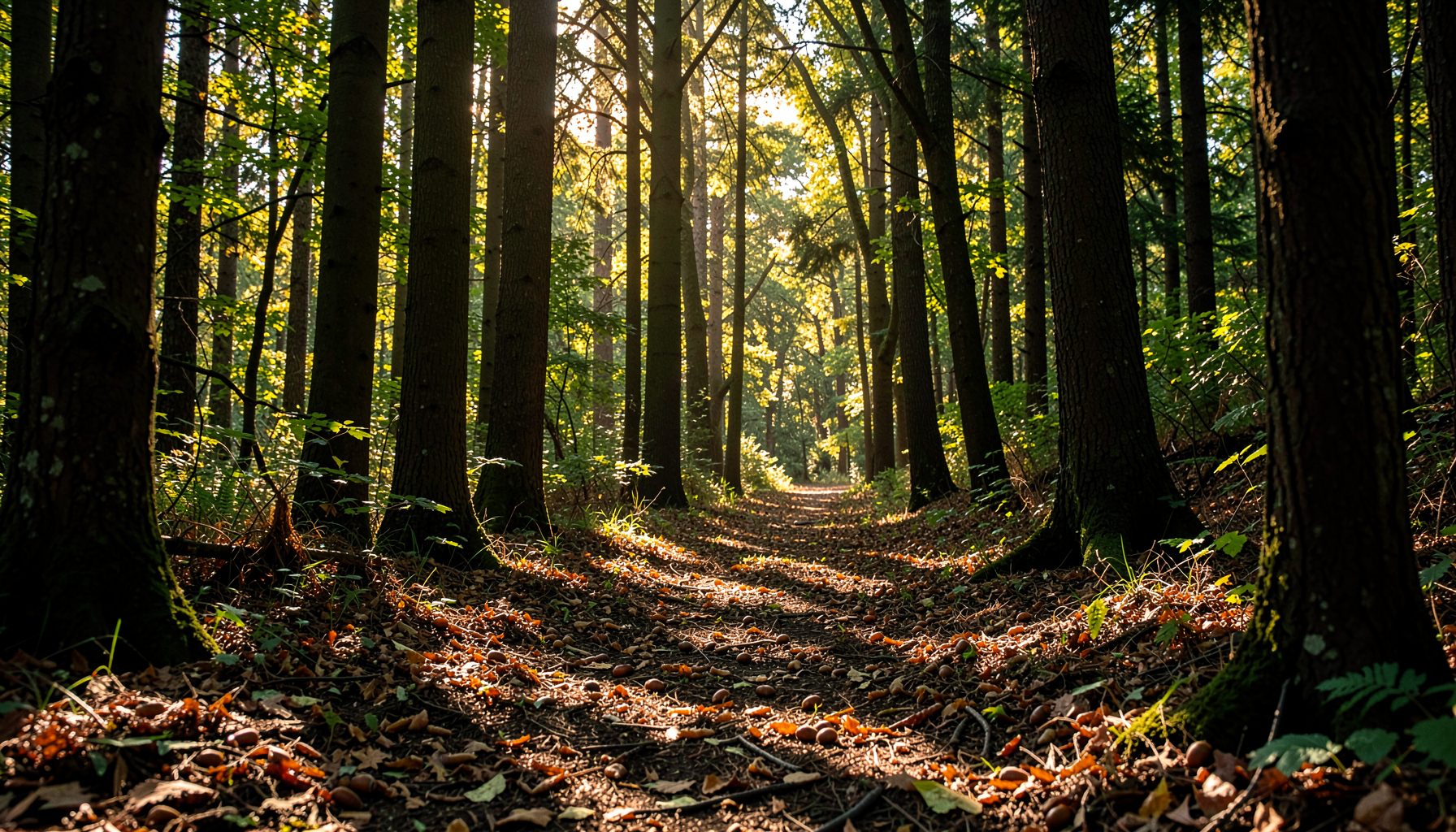
How seed collecting helps recharge the water table
Water security begins well above the water table. It starts with rain reaching healthy ground, moving through leaf litter and soil, and travelling slowly towards streams and underground aquifers. When a catchment loses tree cover, rainfall is more likely to run across compacted surfaces, carrying sediment away instead of soaking into the landscape.
Seed collecting is an early, practical step in repairing that cycle. Acorns, walnuts and native shrub seeds can become the streamside trees that shade waterways, strengthen banks and create channels for water to enter the soil. The connection is indirect, yet powerful: collected seed becomes vegetation, vegetation changes soil conditions, and improved soil conditions support groundwater recharge.
For Australian communities, this relationship is especially relevant in cities such as Sydney, Melbourne, Brisbane and Perth, where expanding suburbs, hard surfaces and altered drainage place pressure on local creeks. Long dry periods, intense summer storms and water restrictions make every opportunity to retain rainfall valuable.
Growing Native demonstrates how ordinary people can support a larger watershed recovery effort. Its volunteers collect native hardwood and shrub seed for nursery production, while learning about tree identification, forest ecology and the health of connected waterways. The same approach can inform local restoration projects across Australia when species, provenance and regulations are carefully matched to place.
Seed collection begins a hydrological process
A seed on its own does not recharge groundwater. Its value emerges when it grows into a plant that changes how rainfall behaves. A tree canopy intercepts some rain, branches and leaves soften the impact of downpours, and fallen organic matter protects the soil surface from sealing.
Roots create openings through the soil as they grow and decay. These pores allow water to move below the shallow surface rather than flowing immediately into a drain or eroding a streambank. Fine roots also add organic matter, while fungi and soil organisms help build stable soil structure. Together, these processes improve infiltration and increase the time water remains available to plants and groundwater.
The Growing Native program shows why collection, propagation and planting should be viewed as one connected conservation system. Seed gathering supports nurseries; nurseries produce healthy seedlings; and well-placed seedlings restore the vegetation needed for a functioning catchment.
Forest cover slows runoff and supports recharge
Revegetation changes the speed and direction of water. In a cleared paddock or urban reserve, rain can travel quickly over bare or compacted soil. In a restored forest edge, surface litter, grasses, shrubs and tree roots create a layered filter. Water pauses in small depressions, spreads across the ground and has more time to infiltrate.
Streamside planting is particularly important. Shade can reduce water temperatures, while roots bind banks and limit the sediment entering creeks. Stable banks leave more of the channel available for natural movement rather than forcing water to cut new paths. Cleaner water also protects wetlands and reservoirs that communities rely on.
This does not mean planting trees everywhere automatically increases groundwater. In some Australian catchments, dense vegetation can use substantial soil moisture, especially during drought. The best outcome depends on species selection, rainfall, geology, groundwater depth and the intended ecological objective. Restoring the right vegetation in the right location is more useful than pursuing a simple increase in tree numbers.
Local seed keeps restoration ecologically appropriate
Seed provenance matters because plants from a nearby ecological community are more likely to suit local soils, climate patterns and seasonal conditions. A seed collected beside a creek may have different characteristics from one gathered in a dry woodland several kilometres away. Matching those traits to the planting site can improve survival and reduce the need for irrigation after establishment.
Australian restoration teams must also consider the difference between local native species and commercially attractive plants that may behave poorly outside their natural range. A nursery supplying projects around Melbourne may need different material from one serving western Sydney, the Brisbane region or Perth’s sandy coastal plain. Local provenance can support genetic diversity while avoiding the spread of inappropriate species.
Soil testing helps make those decisions more precise. Guidance on choosing tree species can help volunteers and land managers assess drainage, acidity, salinity and nutrient levels before planting. These factors influence root growth, infiltration and the long-term ability of vegetation to withstand heat and dry weather.
From collected seed to a living catchment
The journey from a forest floor to a restoration site requires care. Volunteers need to identify ripe seed, avoid damaging parent plants, record collection locations and store material in ways that preserve viability. A mixed collection from healthy plants can provide useful genetic diversity, while accurate records make future planting and monitoring more reliable.
Nurseries then clean, test and germinate the seed. Seedlings may spend months developing strong root systems before they are planted beside a creek, wetland or degraded woodland. This waiting period is important: a small plant with healthy roots is more likely to cope with competition, heat and irregular rainfall than a weak seedling rushed into the ground.
Water-table benefits usually appear over years rather than weeks. Early plantings first stabilise the surface and reduce erosion. As vegetation matures, root networks deepen, litter accumulates and soil carbon increases. A restored site gradually becomes better at receiving rainfall, retaining moisture and releasing cleaner water to downstream environments.
Useful collection habits for Australian volunteers
Seed collection works best when it is organised around plant health, seasonal timing and legal access. Australian communities often collect during autumn and early winter, although the timing varies between species and regions. Acorns, capsules, pods and fleshy fruits may mature at different points, so local observation is more reliable than a single national calendar.
Everyday habits can support this work. A family walking near a creek can learn to recognise parent trees rather than gathering unknown material. A workplace group can label collection bags and record GPS locations. A school can compare soil moisture beneath leaf litter with exposed ground, linking a practical activity to the water cycle.
Responsible collection also protects regeneration. Volunteers should leave enough seed for wildlife and natural recruitment, avoid collecting from unhealthy plants, and never remove material from private or restricted land without permission. In fire-affected areas, collection plans should follow local recovery advice rather than placing extra pressure on surviving trees.
Practical checks before collecting include:
- Confirm land access and whether a permit or written approval is required.
- Identify the species and record the collection date, location and parent plants.
- Gather modest quantities from several healthy individuals rather than stripping one tree.
- Keep different species and provenances labelled and separated.
- Follow hygiene procedures to reduce the spread of soil-borne pathogens and weeds.
These habits are relevant to the Australian native plant market, where councils, landcare groups and commercial nurseries increasingly seek reliable local material for creek rehabilitation and urban greening. Good records help buyers and restoration coordinators understand what they are purchasing and where it can be planted successfully.
Ways to observe recharge and catchment health
Water-table recharge is difficult to measure at a single volunteer planting site. Groundwater may move beneath property boundaries, and rainfall can vary greatly from one season to the next. Still, communities can monitor indicators that show whether the landscape is becoming better at holding and filtering water.
Simple observations are useful when repeated consistently. Volunteers can photograph fixed points, measure bank erosion, note the duration of standing water after rain and record when a creek runs clear or cloudy. Schools and community groups can compare planted and unplanted areas, provided the sites have similar soils, slope and exposure.
Longer-term projects may use groundwater bores, soil-moisture sensors, rainfall gauges and stream gauges. A university, council or catchment authority can help interpret the data and distinguish the effects of restoration from those of a wet year. Resources in the Growing Native publications offer a useful model for connecting public education with practical watershed stewardship.
Helpful signs to track over several seasons include:
- More leaf litter and softer soil beneath established vegetation.
- Reduced sediment movement after heavy rainfall.
- Increasing shade and cooler water along restored creek sections.
- Higher seedling survival through hot or dry periods.
- More consistent flow in small drainage lines after rain, where local conditions support it.
These measures do not replace formal hydrological studies, yet they help communities see how restoration develops. They also create evidence for grant applications, council planning and future planting decisions.
Community restoration needs careful governance
Seed collecting sits within a wider framework of land management. Rules differ between Australian states and between public, private and conservation land. Collection from parks, reserves or roadside vegetation may require permission, while transport and nursery handling can be affected by biosecurity requirements. In New South Wales, for example, native vegetation and biodiversity controls can apply to clearing and collection activities; other states have their own legislation and permit systems.
Local councils also influence where trees can be planted, how waterways are managed and which species are suitable near infrastructure. A planting beside a Melbourne drainage reserve may need to account for underground services and flood capacity. In Brisbane, subtropical growth and intense rainfall call for different maintenance plans. In Perth, sandy soils and low summer rainfall make establishment watering and provenance choices especially important.
The market for native seedlings is connected to these realities. Restoration contractors, councils and landholders need plants that are legally sourced, genetically appropriate and documented. Volunteers who collect carefully help create a trustworthy supply chain while reducing pressure on wild populations and supporting local ecological knowledge.
Schools, families and workplaces can make the work durable by treating seed collecting as an ongoing relationship with a catchment rather than a one-day event. Seasonal collection, nursery visits, planting days and monitoring activities give people a visible role in water conservation. Over time, those relationships can turn small actions into connected corridors of shade, roots and healthier soil.
Collecting native seed is a practical way to participate in the long water cycle. Join a local restoration effort, learn which species belong to your catchment, and help gather the future trees that will slow runoff, protect waterways and give rainfall a better chance to move into the ground.