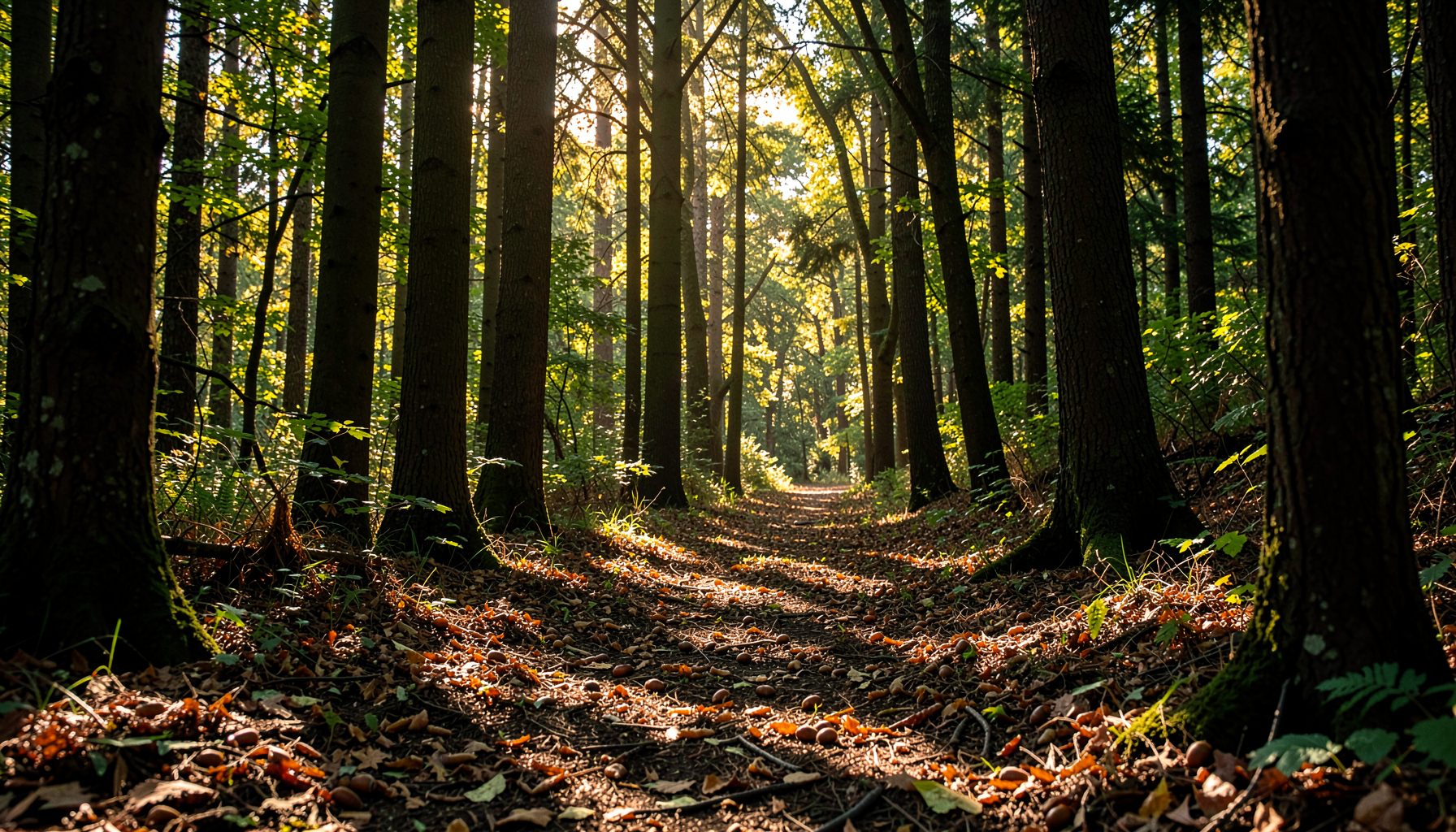
How Forest Edges Influence Seed Production
A forest edge is more than a line between trees and open ground. It is a changing ecological zone where sunlight, wind, temperature, soil moisture, flowering patterns and animal movement interact. These conditions can alter how many seeds plants produce, when those seeds mature and which species are able to regenerate.
For conservation groups, understanding this transition zone helps improve seed collection and restoration planning. Seeds gathered from a single sheltered woodland may represent only one part of a species’ genetic and ecological range, while seed from sunny margins, dry slopes and wet stream corridors can broaden the mix available for future planting.
The same principles apply across very different landscapes. Growing Native works in the Potomac River watershed, where volunteers collect native hardwood and shrub seeds for streamside restoration. In Australia, similar thinking is valuable for projects around Sydney, Canberra, Melbourne, Brisbane and regional catchments, where remnant bushland meets farms, roads, parks and expanding suburbs.
| Forest setting | Typical conditions | Seed production tendency | Restoration value |
|---|---|---|---|
| Deep interior | Low light, stable humidity, reduced wind | Fewer opportunities for some flowering plants, but reliable moisture | Represents shaded forest genetics |
| South-facing or sheltered edge | Moderate light and protection from strong weather | Often balanced flowering and fruit development | Useful for mixed woodland plantings |
| Open, dry edge | High light, heat and wind exposure | Can favour drought-tolerant plants and earlier seed maturity | Adds resilience for exposed sites |
| Streamside edge | Moist soil, cooler conditions and periodic flooding | Supports moisture-loving species and vigorous growth | Important for erosion control and water quality |
| Disturbed urban edge | Fragmentation, weeds, mowing and altered drainage | Uneven production, with pressure from pests and invasive plants | Helps address real-world restoration conditions |
Why Edges Produce Different Crops
Forest margins receive more sunlight than the woodland interior, giving many shrubs, grasses and young trees greater energy for flowering and fruit development. Extra light can increase the number of flowers or fruits on edge plants, particularly where competition from mature canopy trees is limited. This does not guarantee a larger viable seed crop, however, because heat and water stress can reduce seed quality.
The edge effect also changes across a short distance. A tree standing ten metres inside a forest may experience filtered light and low wind, while a nearby tree beside a paddock can face drying air, frost, browsing and temperature swings. These contrasts influence flowering time, fruit size, seed weight and germination behaviour.
Seed collectors should therefore treat edges as varied habitats rather than a single category. A north-facing Australian margin can be much hotter and drier than a shaded southern boundary, while a creek edge may remain productive during a dry season. Recording these differences makes collected seed more useful for matching plants to future sites.
How Light Shapes Flowering And Fruit
Light is one of the strongest drivers of plant reproduction. When a tree or shrub receives enough energy, it may form more buds, support heavier fruit and complete seed filling more successfully. Open-grown plants often mature seeds earlier than their forest-interior counterparts, which can be important when collection schedules are based on colour, firmness or natural drop.
Excess light can reverse that advantage. In dry eucalypt woodland, exposed plants may close their stomata during heatwaves, slowing growth and reducing the resources available for developing seed. High temperatures can also dry flowers, shorten pollinator activity and cause immature fruit to fall before it is ready.
The best seed collection strategy combines visual signs with site observations. Collectors can compare fruiting plants in the edge, interior and transitional zone, then note canopy cover, recent rainfall, soil conditions and evidence of stress. This produces a clearer picture than assuming the most heavily fruiting plant carries the most useful seed.
Edge Geometry And Microclimate
The shape of a forest boundary affects its reproductive conditions. A long, narrow strip beside a road has a high proportion of edge habitat, while a compact woodland patch may retain a cooler, more stable interior. Corners, gaps and tracks can funnel wind into the vegetation, increasing evaporation and carrying pollen or seeds across the landscape.
Daily temperature changes are also sharper at exposed margins. An open edge may warm quickly after sunrise and lose heat rapidly at night. These fluctuations affect insects, flowering periods and seed maturation. In Canberra and inland New South Wales, frost can damage early flowers near open clearings, while western Sydney’s hot summer conditions can intensify moisture loss along cleared boundaries.
Edges beside waterways create a different microclimate. Shade, damp soil and occasional flooding can support species that would struggle on a dry ridge. Yet a streamside boundary may also be affected by mowing, weeds, sediment and altered water flow. Restoration planning should preserve this variation instead of treating every forest edge as suitable for the same species mix.
Pollinators, Predators And Seed Movement
Edges can attract pollinators because flowering plants are easier to find in sunny openings. Bees, butterflies, birds and other animals may move between woodland and adjoining grassland, increasing pollen transfer between separated plants. A diverse margin with staggered flowering times can therefore support more consistent pollination than a simplified, heavily mown boundary.
The same accessibility attracts seed predators. Rodents, parrots, cockatoos, insects and livestock may consume fruit or damage seeds before collection. In Australia, urban-edge plantings can also be exposed to possums, introduced rats and browsing pressure from deer or rabbits in some regions. Predator activity may vary sharply between a road verge, a reserve and a fenced restoration site.
Wind and animals help distribute seeds beyond the parent plant. A forest edge beside a corridor, creek or open paddock may become a launch point for dispersal, allowing species to colonise nearby habitat. For collection work, this means seeds found on the ground may have travelled from another plant. Harvesting directly from known parent trees is usually better for documenting source location and maintaining reliable provenance records.
Collecting For Genetic And Ecological Diversity
A productive seed program samples more than the easiest plants to reach. If volunteers collect only from one sunny roadside edge, the resulting batch may be dominated by individuals adapted to exposure, disturbance or unusually warm conditions. Including sheltered interior trees, damp gullies and dry uplands helps represent the wider population.
This is especially important when restoration sites face a changing climate. Seed from drier upland sites can contribute traits suited to heat and limited moisture, while seed from wetter locations may perform better beside streams. A balanced collection avoids placing all expectations on a single source environment.
Collectors should keep batches separate by species, location and collection date. Notes about parent-plant health, canopy position, soil moisture, exposure and fruit condition are valuable to nurseries. A state nursery or community propagation facility can then make informed decisions about mixing, sowing and planting destinations.
Australian Edges Need Local Care
Australian forest edges are shaped by fire regimes, drought, grazing, urban growth and strong seasonal variation. Around Melbourne, remnant woodland may sit beside sports fields and housing estates, with irrigation and mowing altering natural moisture patterns. Near Brisbane, subtropical edges can experience intense rainfall followed by weed growth, while Canberra’s reserves face frost, dry summers and periodic fire risk.
Everyday habits affect these habitats. A household that removes leaf litter, uses broad-spectrum garden chemicals or plants invasive ornamentals can reduce food and shelter for pollinators and seed dispersers. Conversely, retaining fallen timber, planting local native species and limiting unnecessary clearing can strengthen the ecological connection between a garden and a nearby reserve.
Legislation also matters. Rules for collecting native plant material differ between states and land tenures, and permission may be required on Crown land, council reserves, national parks or private property. Biosecurity requirements can restrict the movement of soil, seed and plant material between regions. Aboriginal custodianship and cultural knowledge should be respected wherever collecting or restoration occurs.
The local market creates further opportunities. Councils, mine rehabilitation programs, infrastructure projects and landcare groups increasingly require provenance-based native plants for revegetation and erosion control. Nurseries that can document where seed was collected are better positioned to supply projects seeking locally appropriate stock, rather than generic plants chosen only for rapid growth.
Practical Ways To Support Better Seed Production
A careful approach to forest edges can improve both collection results and habitat quality. Volunteers, schools, workplaces and community groups can contribute through observation as well as physical seed gathering.
- Map the transition between forest interior, edge, grassland and waterway before collecting.
- Record flowering and fruiting dates to identify how exposure changes reproductive timing.
- Gather from multiple healthy parent plants, keeping species and locations clearly separated.
- Leave enough fruit and seed for wildlife and natural regeneration.
- Avoid collecting where plants may have been sprayed, contaminated or affected by invasive species.
- Check landholder permission, seasonal restrictions and state biosecurity requirements first.
These practices connect fieldwork with long-term stewardship. A school group might compare seed maturity on a shaded creek bank and an exposed park boundary, while a workplace team could help sort and label collections for a local nursery. The educational value is considerable because participants see how weather, habitat structure and plant reproduction are linked.
Turning Edge Knowledge Into Restoration
Seed production is only one stage in a longer process. Once collected, seeds must be cleaned, stored and propagated under conditions that suit the species. Nursery staff may test germination, manage dormancy and grow seedlings until they are robust enough for planting. Site preparation then determines whether those seedlings can survive their first summer, flood or fire season.
Restoration designs should use edge knowledge from the beginning. A streamside planting may require shade-tolerant shrubs near existing trees, sun-loving pioneers in a wider gap and dense groundcover where erosion is severe. In a fragmented urban reserve, creating a graduated boundary rather than a sharp mown line can reduce wind exposure and provide better habitat for pollinators.
People who want to participate can find volunteer opportunities through Growing Native, including seed collection and educational activities that support watershed restoration. Australian groups can apply the same principles through local landcare networks, council programs, native nurseries and catchment organisations, while following the permissions and collection rules that apply in their area.
Healthy forest edges are productive, complex places. When their differences are observed and respected, seed collection becomes more than gathering fruit from convenient trees. It becomes a way to preserve ecological variation, strengthen future forests and support cleaner waterways. Join a local restoration effort, learn the plants at your nearest woodland margin and help ensure that the next generation of seedlings reflects the landscapes it is intended to heal.