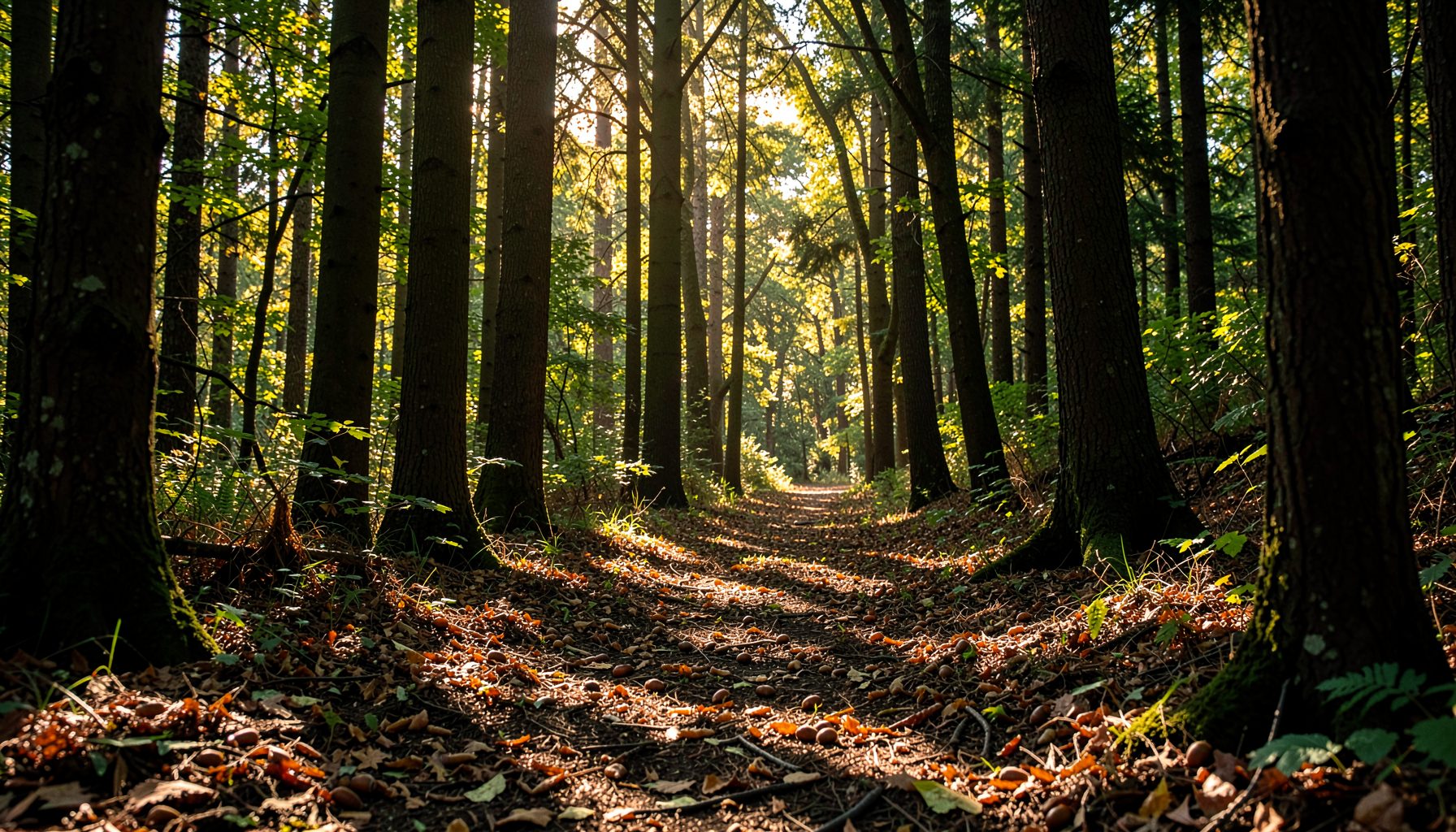
Thanking volunteers after a successful seed collection day
A successful collection leaves volunteers tired, proud and wondering whether the day made a lasting difference. The best ways to thank volunteers after a successful seed collection day therefore combine personal recognition with practical support, a clear account of what happens next and an easy invitation to contribute again. A quick thank-you matters, but thoughtful follow-through can turn a pleasant day into a long-term stewardship relationship.
Growing Native’s model in the Potomac River watershed shows how acorns, walnuts and other native seeds can move from healthy forests to state nurseries and eventually into streamside plantings. The examples below suit Australian community groups, schools and workplaces, while respecting the fact that seed protocols, species and local acknowledgements must be adapted to each place.
Make gratitude personal
Write each volunteer a short, specific message that mentions something they did well: sorting clean seeds from damaged material, recording the collection location, carefully closing labelled bags or helping a new participant. Specific praise feels more genuine than a generic message, and it shows that coordinators noticed both skilled work and quiet support. Handwritten notes can be especially meaningful for regular volunteers.
Also thank the people whose names often disappear from event reports. Team leaders, drivers, first aiders, equipment cleaners, translators and people who checked details can determine whether the day runs safely. Recognition can be private, public or both, depending on each person’s preference. Some volunteers enjoy a group cheer; others prefer a quiet word and a task that makes them feel trusted.
A short team photo or a note in a community newsletter can extend recognition, but ask before publishing images and never identify a volunteer’s home, precise collection site or personal details. Keep the tone warm rather than competitive: avoid leaderboards, “most seeds” awards and other formats that can make less productive collectors feel judged. The aim is appreciation, not performance review.
Give gifts that support the work
Choose gifts that support the next phase rather than adding disposable novelty. Quality gloves, hand lenses, reusable collection containers, waterproof labels, pencils, sunscreen, water bottles or sturdy buckets are all useful. If the group is already well equipped, a contribution toward replacement tools, nursery supplies or protective equipment can be more valuable than another item for collectors themselves.
Market vouchers can also feel local and useful. In Melbourne, a voucher for a nearby growers’ market or community nursery lets volunteers choose locally appropriate seedlings, seed packets or produce while keeping the benefit within the local growing community. Pair the voucher with a card explaining that the gift supports future tree-growing efforts. A modest gesture connected to the mission carries more meaning than a generic gift card.
Books and learning materials suit volunteers who enjoy continuing their skills. Growing Native’s forest ecology resources can support a follow-up workshop, tree-identification walk or discussion about why clean, correctly labelled seeds matter. Let participants choose one resource rather than distributing a large pile of paper, and budget for postage when remote volunteers are included.
Plan a warm, inclusive gathering
A shared meal or morning tea is an easy way to mark the effort, especially when volunteers have travelled early or worked in the heat. Serve simple choices that can be prepared in batches, provide plenty of water and keep the event comfortable for people with dietary needs. Soft drinks are optional, but coffee, tea and a savoury bite reflect a familiar Australian welcome after an outdoors project.
Plan for local weather rather than copying another group’s menu. Brisbane volunteers may welcome iced water, fruit and shade after a humid subtropical morning, while a Canberra gathering can call for warm soup, tea and indoor seating when the start is crisp. Check forecasts, have a wet-weather plan and make sure nobody is asked to travel home hungry or without a safe way to leave.
Make the gathering genuinely inclusive. Check access, seating, toilets, parking and public transport before advertising it; invite family members or support workers where appropriate; and offer a remote way to join any presentation. Keep gifts and food choices varied, including alcohol-free options by default. A small thank-you budget spent on comfort will often be appreciated more than an elaborate event.
Celebrate skills and stewardship
Certificates and badges can acknowledge a first collection, a particular skill or a volunteer’s contribution over several seasons. Issue them only for meaningful participation or learning, not simply for turning up, and avoid inflated titles that can feel like corporate awards. A local school, garden club or workplace can display a tasteful certificate, while a handwritten card goes home with each participant.
For Australian events, consider an Acknowledgement of Country led by a Traditional Custodian or an appropriately authorised community representative. Arrange and pay for that contribution, agree on the wording beforehand and explain why it matters. It should welcome participants to the Country where the work occurs rather than act as a decorative addition. Recognition is strongest when gratitude, language and proper consultation all form part of the gathering.
Let volunteers teach one another as part of the thanks. A ten-minute demonstration might cover safe collection, seed-cleaning technique or how records are used at the nursery. Australian groups should use locally native species rather than assuming the oaks and walnuts found in the Potomac watershed occur locally. Ask experienced participants to lead, making appreciation a form of shared knowledge.
Show volunteers where the seeds go
Close the feedback loop with a specific account of the seeds’ journey. Explain that collected material is sorted, checked and transferred to participating state nurseries, where staff grow suitable hardwoods and shrubs for restoration. Share the quantity recorded, relevant species totals and what the nursery needs next. Honest figures show respect; vague claims that every seed will become a forest tree can damage trust.
Show restoration in its real context. Native seedlings may support streamside habitat, reduce erosion, improve water quality and add resilience to the watershed, but survival depends on suitable site selection, planting care and long-term monitoring. Connect each task to these outcomes without assigning a single volunteer sole responsibility for an eventual tree. Say clearly how the wider community maintains plantings after seedlings leave the nursery.
Produce a brief digital update for people who could not attend the thank-you gathering. Include photographs with permission, nursery photographs, next planting dates and a note listing who contributed behind the scenes. For groups working near Melbourne, Brisbane, Canberra or other Australian cities, a council newsletter, school bulletin or community garden email can keep restoration visible without turning volunteers into local celebrities.
Recognise the wider community
Recognition can extend beyond the collection team. Thank nurseries, land managers, local authorities, Indigenous knowledge holders, transport providers and businesses that supplied equipment or space. Write to each supporter, explain exactly what they enabled and invite feedback. Sponsors often know their funding helped, but a direct report on seed quality, nursery demand or planting progress gives their support a visible result.
Invite community organisations to acknowledge the day in their own channels. A local Landcare branch, habitat group, scout or school could display a thank-you poster and invite new members, while a participating workplace can recognise staff time rather than naming individuals. Keep public messages accurate and consent-based. Partners should know whether they are highlighting volunteer involvement, announcing a future event or seeking further support.
A collective gesture can be meaningful if it supports the same goals. Volunteers might choose to fund labels, compost, irrigation checks or native seedlings for a future planting, rather than donating to an unrelated cause in the group’s name. Record what the gesture paid for and report the outcome later. A practical legacy makes appreciation visible without turning the day into a one-off celebration that disappears the following week.
Turn appreciation into continued action
Begin with a short debrief while memories are fresh. Ask what worked, what felt unsafe or confusing, which species were easy to locate and where extra guidance would help. Keep questions anonymous if that encourages candour, then act on the most useful points. Thank volunteers for gathering seeds and for producing better information that will guide future collections and reduce unnecessary impact on habitat.
Keep the invitation to return simple and specific. Send the next date, meeting point, what to bring, weather requirements and who can answer questions. People who cannot join immediately can still ask the coordinator for updates or reserve a place on a future activity. Offering a seed-cleaning session, nursery visit or planting day gives busy volunteers another way to contribute.
Create a small recognition programme that can continue without creating administrative clutter. A seasonal email, birthday acknowledgement, annual gathering or milestone certificate can sustain relationships. Record contact preferences and let people choose how often they hear from the organisation. Volunteers remain valuable long-term partners, so their availability and interests should guide future invitations rather than an automatic yearly appeal.
The strongest thank-you leaves volunteers with three clear feelings: their effort was noticed, their contribution has a credible purpose and their expertise can shape what happens next. Personal notes, useful equipment, an inclusive gathering and transparent feedback work together better than any single gift. Remember the quiet tasks, respect cultural protocols, and let appreciation point toward continued restoration.
Make the next collection day count by checking Growing Native’s available roles and dates through volunteer registration, preparing a simple thank-you plan for your group and giving every participant a clear sense of what their labour will become. The reward for a successful day should not end when the final bag is labelled; it should continue through better stewardship and a warm welcome back.