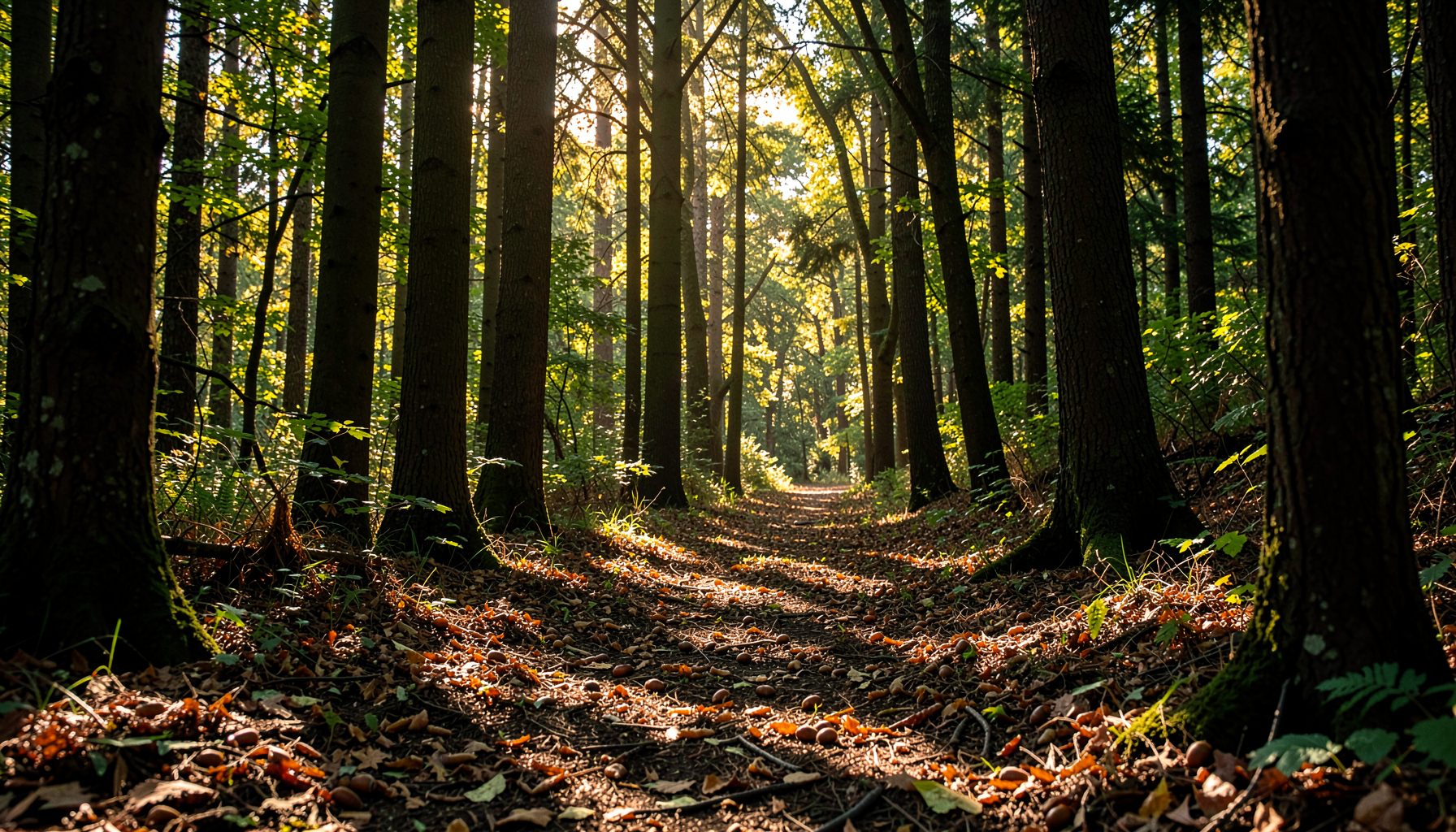
Storing Acorns And Walnuts For Healthy Future Forests
Acorns and walnuts look sturdy, yet they can be surprisingly difficult to keep viable. Their living embryos contain substantial moisture, and they begin to deteriorate when they dry too far, freeze accidentally, overheat, or sit in stagnant air. These seeds are commonly described as recalcitrant, or at least intermediate in storage behaviour, because they do not tolerate the dry, long-term conditions that suit many packets of vegetable seed.
Good storage starts before a seed reaches the container. The collection season, the condition of the fruit, the species, and the time until sowing all affect whether a seed will produce a vigorous seedling. A careful routine can protect valuable local genetics for nurseries, revegetation projects, school activities, and community planting days.
For people in Australia, the timing may feel unfamiliar because many northern hemisphere guides discuss autumn collection and winter chilling. A Queensland backyard, a cool Tasmanian property, and a community nursery near Canberra have very different temperature and humidity patterns. The principles remain consistent: identify the seed, preserve its natural moisture, keep it cool without freezing, and check it regularly.
Why Acorns And Walnuts Need Different Treatment
Recalcitrant seeds remain alive and metabolically active after they fall. They need moisture to keep their cells functioning, but excess water encourages mould and bacterial decay. Drying them until they feel crisp can kill the embryo, while sealing wet seed in a plastic bag can create a warm, oxygen-poor pocket where rot spreads quickly.
Acorns generally lose viability faster than many people expect. White oak group acorns often begin germinating soon after falling, while some red oak group species have deeper dormancy and may need a period of cold, moist stratification. Walnuts also vary by species. Black walnut, English walnut, and Australian-grown selections can differ in shell thickness, dormancy, and susceptibility to fungi.
The Growing Native program focuses on collecting native hardwood and shrub seed for restoration across the Potomac River watershed. Its work illustrates an important point for Australian collectors too: seed is most useful when its identity, source location, collection date, and handling history travel with it.
Harvest At The Right Stage
Collect mature seed from healthy trees, preferably on a dry day after the morning dew has lifted. Acorns are usually ready when they detach easily from the cup or have recently fallen beneath the canopy. Green acorns that resist gentle handling are often immature. Walnuts should have developed their full size, with the outer husk beginning to soften or change colour according to the species.
Avoid seed with pinholes, soft patches, sour odours, deep cracks, insect exit holes, or visible fungal growth. A small amount of surface staining is not always fatal, but blackened tissue and a fermented smell are warning signs. Collect from several healthy trees rather than relying on one specimen; this broadens genetic diversity and reduces the chance of carrying a single tree’s weaknesses into a restoration planting.
Australian conditions make prompt handling particularly important. A sack of acorns left in a ute near Dubbo, Wagga Wagga, or western Sydney can heat rapidly in the sun. Even a mild autumn day may create damaging temperatures inside a closed vehicle. Use shallow buckets or breathable bags during collection, keep them shaded, and take them somewhere cool as soon as practical.
Clean And Grade Seed Before Cooling
Remove leaves, caps, husks, loose soil, and damaged fruits soon after collection. For walnuts, wear gloves when handling green husks because the staining compounds can discolour skin and fabric. Do not wash large quantities unless you can dry the surface promptly; residual water trapped around a shell can accelerate decay.
A float test can help with rough sorting, although it is not a perfect viability test. Place acorns or walnuts in clean water for a short period and separate those that float, as many are hollow or insect-damaged. Some sound seeds float because of natural air spaces, so retain a small sample for a cut test or germination test rather than discarding every floater.
For a more reliable check, inspect a few seeds by cutting them lengthways with care. A healthy embryo is usually firm, pale, and intact. Grey, brown, watery, or shrivelled internal tissue indicates poor viability. When supplying a nursery or restoration group, record the number collected, the approximate proportion that passed inspection, and any unusual conditions observed.
Allow cleaned seed to surface-dry only. Spread it in a single layer on a clean towel or mesh tray for a few hours in a cool, shaded room. The aim is to remove external moisture, not to reduce the seed’s internal water content. In humid areas such as coastal Queensland or the New South Wales coast, good airflow matters; in inland South Australia, avoid leaving seed exposed long enough to desiccate.
Select Temperature And Containers
The safest general arrangement is cool, moist, and breathable storage. A household refrigerator set around 1–4°C is suitable for many acorns and walnuts for short-term storage, provided the seed does not freeze. A consistent temperature is more useful than repeatedly moving the container between a warm shed and a cold kitchen.
Use a labelled container with a slightly damp medium such as clean sphagnum moss, vermiculite, peat-free propagation mix, or a barely damp paper towel. The medium should feel cool and moist, never wet enough to release water when squeezed. Perforated polyethylene bags or containers with a few air holes can limit drying while allowing some gas exchange.
| Storage approach | Suitable use | Main benefit | Main risk |
|---|---|---|---|
| Refrigerated, barely moist medium | Several weeks to a few months | Stable cool conditions | Mould if too wet |
| Cool room with breathable bag | Very short-term holding | Simple and low cost | Drying and heat fluctuation |
| Sealed wet container | Generally unsuitable | Appears to prevent drying | Rot, fermentation, low oxygen |
| Home freezer | Usually unsuitable for recalcitrant seed | Convenient long-term space | Ice damage and embryo death |
| Nursery cold room | Managed community or professional batches | Better monitoring and capacity | Requires reliable equipment |
Never store these seeds alongside fruit that releases large amounts of ethylene, such as apples or bananas, if you can avoid it. Keep them away from freezer vents and the coldest rear wall, where accidental freezing can occur. A fridge thermometer is worthwhile because the dial setting on a domestic appliance is not always accurate.
Build A Reliable Storage Routine
Storage is a monitoring task rather than a set-and-forget solution. Inspect the batch every several days at first, then at least weekly. Remove mouldy seeds immediately, replace visibly wet material, and discard anything that has developed a strong fermented smell. If mould is widespread, the batch may have been packed too wet or stored too warm.
A simple record prevents confusion when several species or collection sites are involved.
- Write the species, collector, location, date, and tree number on every container.
- Note whether the batch was collected from the ground or directly from the canopy.
- Record cleaning, float testing, storage temperature, and inspection dates.
- Keep seed from different provenances separate until its destination is confirmed.
Before storing, establish the conditions that will protect the batch.
- Use clean containers and fresh, uncontaminated packing material.
- Keep the medium barely damp rather than visibly wet.
- Leave enough air space for handling and inspection.
- Check labels before combining seed from separate trees or sites.
- Set a latest planting or delivery date instead of storing indefinitely.
For Australian volunteer groups, this system fits well with Landcare activities, council revegetation programs, school gardens, and community nurseries. A group near Melbourne may have a cool autumn collection window, while a project in Brisbane may need air conditioning or a refrigerator much earlier in the season. In Perth, dry heat can pull moisture from seed quickly; in Hobart, cool conditions may slow deterioration but do not remove the need for mould checks.
Plan The Transition From Storage To Sowing
Do not wait for every stored seed to sprout inside the refrigerator. Start a small germination test before the planned planting date. Place a representative sample in a suitable propagation mix and keep it at the temperature recommended for that species. The result gives a practical estimate of viability and helps a nursery decide whether more seed is needed.
Some acorns benefit from cold, moist stratification, which imitates winter conditions and breaks dormancy. The required period may range from several weeks to a few months, depending on the oak species. Walnuts may also need stratification, but the exact treatment varies. Use guidance from a recognised nursery, herbarium, seed bank, or species-specific propagation reference rather than applying one recipe to every nut.
When roots begin to emerge, handle the seed gently. The new radicle is easily snapped, particularly in acorns that have been chilled for an extended period. Sow root-down where possible, cover to the recommended depth, and protect containers from drying winds, rodents, birds, and sharp temperature swings. In much of Australia, a shade house or sheltered propagation bench is safer than an exposed sunny position.
For conservation projects, provenance is as important as germination rate. Seed collected from a local catchment may be better suited to that region’s rainfall, soils, and seasonal pattern than seed transported from a distant climate. This matters in urban creek corridors, where revegetation teams are balancing local adaptation with the practical need for enough healthy plants.
Share Seed With A Clear Purpose
A well-labelled batch can support far more than a single planting day. It may become streamside seedlings, shade trees for a school, habitat for native wildlife, or a teaching collection for identifying local hardwoods. It can also help volunteers understand how forest cover reduces erosion, slows runoff, and protects waterways after heavy rain.
Before donating seed, contact the receiving nursery or program about preferred species, quantities, provenance, cleaning standards, and delivery dates. Some organisations may accept freshly collected seed but have limited capacity for long-term storage. Others may request that acorns or walnuts arrive already sorted, labelled, and kept cool.
Growing Native connects practical volunteer work with forest and watershed restoration, and its volunteer opportunities show how individuals, families, schools, workplaces, and community groups can contribute. Australian groups can apply the same spirit through local Landcare networks, council bush regeneration teams, botanic gardens, and native plant nurseries.
Collect carefully, cool the seed promptly, and keep accurate notes from tree to nursery. If your group has acorns or walnuts ready for a restoration project, turn this season’s collection into a documented batch, contact a suitable conservation organisation, and help grow the next generation of healthy forest.