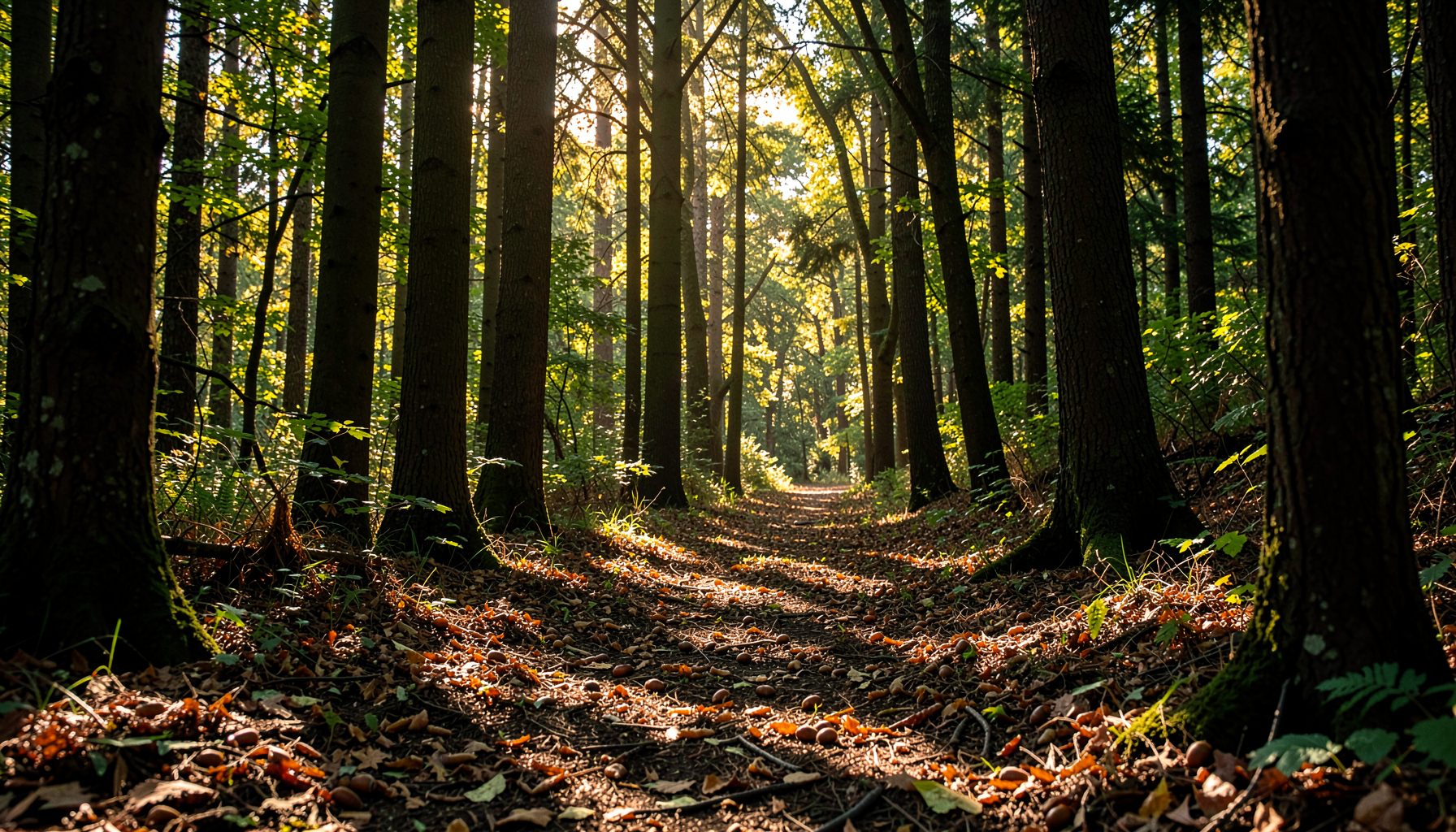
The Best Ways to Spread the Word About Growing Native Events
A seed collection event can begin with a handful of volunteers and grow into a meaningful contribution to healthier forests, cleaner streams, and stronger communities. The challenge is making sure people hear about the opportunity early enough to plan, understand why it matters, and feel confident that their participation will be useful.
The best ways to spread the word about Growing Native events combine personal invitations, clear digital communication, local partnerships, and stories that connect a small action with a larger environmental benefit. Collecting acorns, walnuts, and other native seeds may seem simple, but those seeds can become streamside trees that reduce erosion and support watershed health.
Promotion works especially well when it reflects the program’s welcoming spirit. Individuals, families, schools, civic groups, and workplaces can all take part, so event messaging should show that there is a place for different ages, schedules, abilities, and levels of nature knowledge.
Start with a clear and memorable message
Effective outreach begins with a short explanation that people can repeat. Instead of leading with logistical details, describe the purpose first: volunteers gather native hardwood and shrub seeds so they can be grown into trees for restoration projects across the Potomac River watershed. This gives every announcement a strong reason to exist.
A useful message should answer three practical questions: What will volunteers do, why does it matter, and how can someone participate? Mention the type of activity, the expected time commitment, the location, and whether families or beginners are welcome. Clear information removes uncertainty and makes it easier for supporters to share the event accurately.
Use everyday language rather than conservation terminology alone. “Help collect native seeds for future streamside forests” is more inviting than a technical description of riparian restoration. Pair that phrase with a specific detail, such as learning to identify local trees or gathering acorns during a seasonal community event.
The Growing Native website can serve as the central source for program information, educational context, and ways to get involved. Directing people to one reliable destination prevents outdated details from circulating across different social media posts.
Make personal invitations part of the strategy
People are more likely to attend when an invitation comes from someone they know. Ask past volunteers, board members, teachers, naturalists, and community leaders to contact a few people personally. A short message explaining why the sender enjoys the event can be more persuasive than a general announcement shared to a large audience.
Personal outreach is particularly valuable for first-time participants. Someone may be interested in conservation but hesitate because they do not know what to bring, whether children can attend, or whether they need to identify trees without help. A direct invitation can answer those concerns in a warm and practical way.
Encourage volunteers to share photographs from previous seed collection days, especially images showing families, students, coworkers, and neighbors working together. Visual proof that the event is approachable helps replace uncertainty with familiarity. Photos should show real activity rather than staged scenes, while respecting everyone’s permission and privacy.
Local organizations can also broaden the reach. Libraries, garden clubs, watershed associations, faith communities, neighborhood groups, and outdoor recreation clubs often have newsletters or bulletin boards that reach people who may not follow environmental organizations online. Give each partner a ready-to-use paragraph, image, registration link, and deadline.
Create a promotion schedule people can follow
A single announcement is easy to miss. A short campaign gives people repeated opportunities to notice the event, make plans, and share it with others. Begin several weeks in advance, then adjust the message as the date approaches.
| Timing | Main purpose | Useful content |
|---|---|---|
| Three to four weeks before | Build awareness | Event purpose, date, location, registration details |
| Two weeks before | Explain participation | What to bring, who can attend, expected activities |
| One week before | Encourage commitment | Volunteer story, seed identification tip, remaining spaces |
| Two to three days before | Reduce uncertainty | Weather guidance, meeting point, schedule, contact information |
| After the event | Extend the impact | Photos, seed totals, thank-you message, future opportunities |
Each communication should add something rather than repeat the same wording. An early post can focus on watershed restoration, while a later one can explain how to recognize acorns or walnuts. A final reminder should be practical and concise, making it easy for registered participants to arrive prepared.
Use consistent event names, dates, locations, and registration instructions across every channel. If details change, update the main event page first and revise partner materials where possible. Consistency protects trust and reduces the number of questions organizers must answer individually.
Give every audience a reason to participate
Different groups respond to different benefits, even when they join the same activity. Families may appreciate an outdoor learning experience that children can enjoy together. Schools may value connections to science standards, local ecology, and hands-on observation. Workplaces may see seed collection as a meaningful team service project.
For community organizations, emphasize place-based stewardship. Volunteers are helping care for forests and waterways in the region where they live, work, or study. This local connection makes the outcome tangible: seeds gathered nearby can contribute to future restoration in the same broader watershed.
Use audience-specific language without creating a completely separate campaign for each group. A school email might highlight tree identification and forest ecology, while a workplace announcement could focus on employee engagement and environmental service. The date, registration process, and core restoration message should remain consistent.
Partnerships become stronger when organizations receive recognition after the event. Thank a school, employer, or community group by name in a social post or newsletter, provided the organization is comfortable being mentioned. Public appreciation encourages continued cooperation and shows other groups that their participation will be valued.
Use digital channels with purpose
Social media is useful when each platform carries content suited to its audience. A neighborhood group may respond well to a concise local invitation, while an organization’s professional network may be interested in workplace volunteering and watershed stewardship. Short videos can demonstrate how volunteers collect seeds, sort materials, or learn to identify native trees.
Email remains important because it reaches people who have already expressed interest. Send a focused invitation rather than a crowded newsletter with too many competing links. Include a strong subject line, a brief explanation, the essential logistics, and one clear action such as registering or forwarding the message to a potential volunteer.
Event pages should be easy to scan on a phone. Put the date, location, activity, age guidance, registration instructions, and contact information near the top. Use descriptive photographs and captions that explain what viewers are seeing. Accessibility matters as well, so provide readable text, useful image descriptions, and straightforward directions.
The program’s event locations can help supporters understand where activities take place and identify an opportunity that fits their community. Linking people to accurate location information is especially helpful when several events occur across the watershed.
Turn participants into trusted messengers
Volunteers who have enjoyed an event are among the strongest sources of future outreach. After the activity, invite them to share a short reflection, photograph, or observation. A comment such as “I learned to tell a white oak acorn from other seeds” gives potential participants a more vivid picture than a generic statement about volunteering.
Collect stories while the experience is fresh. Ask what surprised the volunteer, what they learned, or why they chose to attend. Keep prompts simple so responses do not feel like formal testimonials. With permission, these comments can become social posts, newsletter features, website content, or material for partner organizations.
Show the continuing path from seed to seedling. People are more likely to share an event when they understand that their work contributes to a longer restoration process. Explain that collected seeds are donated to state nurseries, where they can be grown into trees for streamside planting and other conservation needs.
This follow-up also helps retain volunteers. A thank-you message that includes the number or type of seeds collected, a few photographs, and a note about their future use turns a one-day activity into an ongoing relationship with the watershed.
Use a simple promotion checklist
A coordinated outreach effort is easier when organizers prepare the core materials before promotion begins. The following recommendations keep the message focused while allowing partners to adapt it for their own audiences:
- Create one accurate event page with the date, location, registration details, accessibility information, and contact person.
- Prepare a short announcement, a social media caption, an email version, and a printable flyer using the same facts.
- Provide partners with approved photos, a two-sentence description, and a direct registration link.
- Schedule reminders at several points, including a practical message a few days before the event.
- Collect permission for photographs and stories, then share the results soon after volunteers participate.
Assign responsibility for each channel so promotion does not depend on one person remembering every task. A school coordinator might distribute the family announcement, a workplace leader might manage internal email, and a volunteer coordinator might publish reminders and answer questions.
Track simple results such as registrations by referral source, partner organizations that shared the event, and attendance from different audience groups. These details reveal which outreach methods are reaching new people and which relationships deserve continued attention.
Give the next event a wider reach
Growing Native events offer an unusually clear story: ordinary people gather local seeds, and those seeds support forests, streams, wildlife, and communities over time. That story becomes powerful when it is paired with precise logistics, personal invitations, appealing visuals, and consistent follow-up.
Begin preparing the message before the event date is close. Contact schools, workplaces, libraries, neighborhood groups, and returning volunteers with materials they can share immediately. Publish reminders that answer practical questions, then thank participants in a way that makes the restoration impact visible.
Share the next Growing Native opportunity through your networks, invite someone new to join, and help turn a single seed collection day into lasting community support for the Potomac River watershed.