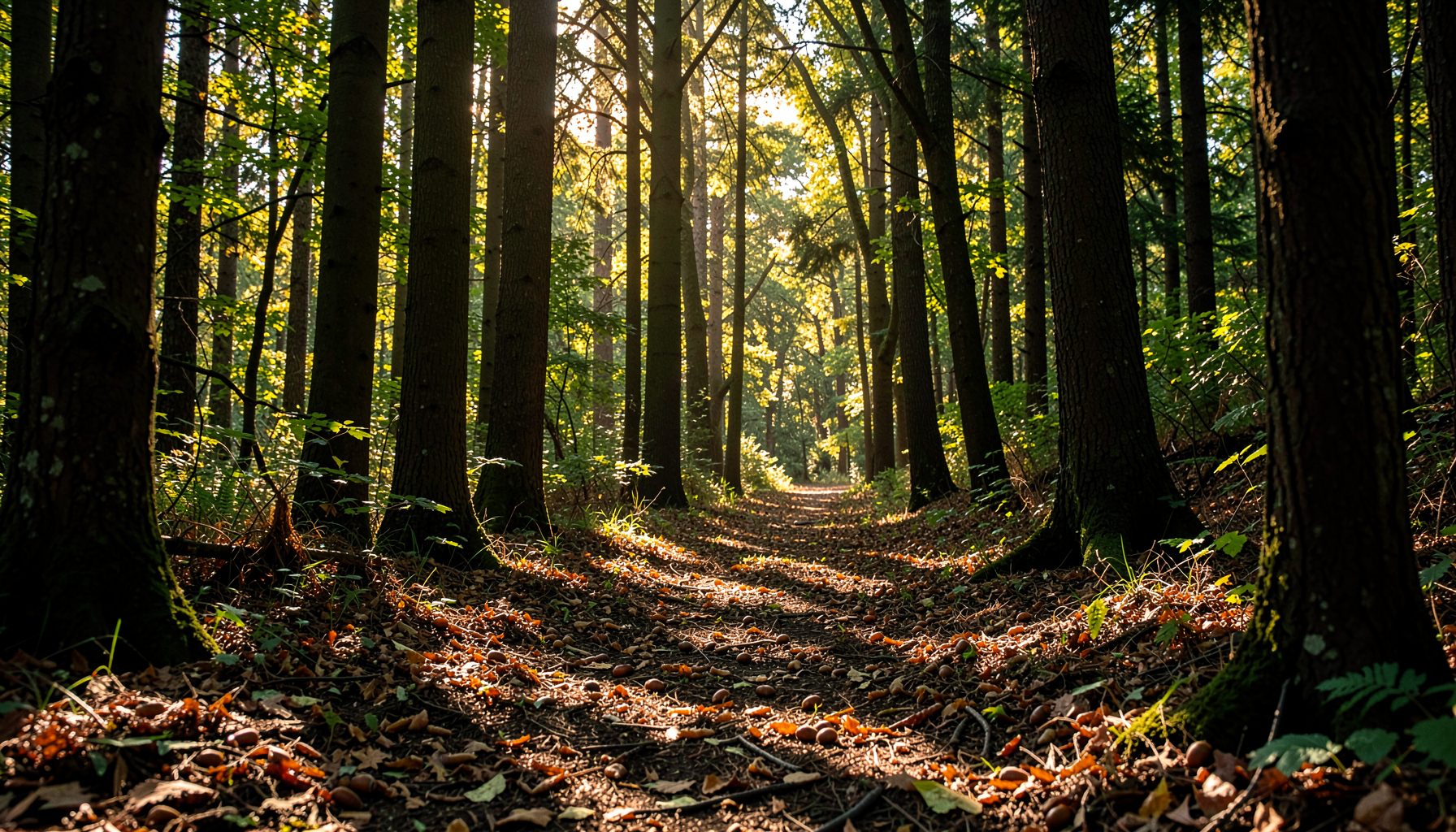
The Best Time of Day to Collect Seeds for Maximum Viability and Minimal Pests
Seed collection is often treated as a simple matter of finding ripe fruit and filling a bag. The hour of collection can make a meaningful difference, however. Heat, dew, humidity, insect activity and the maturity of the seed all affect whether native material remains viable from the tree to the nursery bench.
For Australian volunteers, timing must also fit local conditions. A cool morning in Canberra is very different from a humid morning in Brisbane, while a dry, hot afternoon in Adelaide can quickly damage exposed seed. The best results come from combining the right time of day with careful species identification, clean handling and prompt delivery.
When Daylight Helps Seed Quality
For many native tree and shrub species, mid-morning is the safest general collection window. Wait until dew has dried from leaves, capsules and fruit, then work before the strongest heat of the day arrives. This usually means collecting between about 8.30 am and 11 am, although cloud cover, season and local climate may shift that window.
Early morning has advantages: temperatures are lower, volunteers are fresher and some insects are less active. Wet seed, however, can be a problem. Damp material packed into a bucket or plastic bag may heat up, encourage mould and begin to ferment. Allowing surface moisture to evaporate before collecting gives the seed a better chance of remaining sound.
A late-afternoon session can work for dry capsules that have opened naturally and released mature seed. It is less suitable during an Australian heatwave, when seed exposed to hot air, direct sun or a warm vehicle can lose moisture too quickly. If collection must occur later, use breathable bags, work in shade and take the harvest indoors promptly.
Match The Window To The Fruit Type
The ideal collection time depends on whether the seed is enclosed in a dry capsule, protected by a nut shell or held inside fleshy fruit. Ripe appearance alone is not enough. A good collector checks colour, firmness, natural opening and whether the seed separates easily from the parent plant.
Useful timing cues include:
- Dry capsules: collect after dew has lifted, before strong wind scatters the seed.
- Acorns and nuts: gather soon after natural drop, preferably during a cool, dry morning.
- Fleshy fruits: pick when fully coloured and firm, during the coolest part of the day.
- Winged seed: collect as capsules begin to open, using a clean sheet beneath branches.
- Pods that split explosively: inspect frequently and harvest just before release.
- Rain-sensitive seed: postpone collection until the material and surrounding foliage are dry.
Fleshy fruits need particularly quick handling. In warm parts of Sydney, Brisbane or Perth, ripe fruit can soften rapidly and attract flies, ants and birds. Collecting early, keeping fruit shaded and processing it on the same day limits fermentation. Dry seeds should be separated from pulp before storage, because remaining fruit tissue provides food for fungi and insects.
Read Australian Weather And Seasons
Australia’s seasonal calendar is broad, so there is no single national collection month. In southern regions such as Melbourne, Hobart and Canberra, autumn collections may coincide with cool nights and wet mornings. In northern Queensland or the Top End, the transition between wet and dry seasons can matter more than the conventional autumn dates.
Check the forecast for rainfall, overnight humidity, wind and maximum temperature. A clear, dry morning after several wet days may still be unsuitable if pods are saturated. Conversely, a warm morning following a dry night may offer excellent conditions. Local observation is valuable: note when fruit changes colour, when birds begin feeding and when mature seed starts falling.
Collection should also follow local permission and land-care practices. A council reserve, school grounds or private property may require approval, and Australian biosecurity rules can restrict the movement of soil, plant material and pests between regions. Volunteers should avoid collecting from roadsides sprayed with herbicide or from sites where weeds, disease or contaminated runoff are present.
Local provenance is important for restoration. Seed gathered near a creek in the Yarra catchment may be better suited to a nearby planting project than material transported from a distant climate zone. State nurseries, Landcare groups and native plant networks can advise on collection zones, seasonal availability and the kinds of seed currently needed in the local market.
Protect Acorns, Walnuts And Other Hard Seeds
Acorns and walnuts are valuable because their large seeds contain substantial energy for early root development. They are also attractive to weevils, beetles, rodents and other wildlife. The best approach is to collect recently fallen, mature nuts from clean ground, rather than taking old material that has been exposed to moisture, soil organisms and repeated handling.
Avoid green acorns unless the target species is known to mature in that condition. Sound nuts are usually heavy for their size and free from deep cracks, mould or small exit holes. A simple float test may help identify damaged material, but it should not replace visual inspection or species-specific advice. Some viable seeds float naturally, so discard decisions should be recorded rather than based on one test alone.
For walnuts and similar nuts, remove leaves and soil without damaging the shell, then spread the collection in a single layer in a cool, ventilated place. Do not seal warm or damp nuts in a bucket. In the Australian summer, a shaded room with moving air is safer than a closed ute tray or sunny shed.
Hard seed coats can protect viability, but they do not make seed indestructible. Repeated heating and cooling, high humidity and long delays before processing reduce quality. Mark each bag with the species, collection date, site and collector initials so that nursery staff can trace problems back to their source.
Reduce Pests Before They Reach The Bag
Pest avoidance begins before the first seed is picked. Look for evidence such as pinholes, webbing, frass, chewed fruit, discoloured tissue or ants moving through the canopy. Do not mix suspect material with clean seed. Separate species and collection sites, because one infested batch can spread insects or fungal contamination through an entire day’s harvest.
Practical controls include:
- Use clean buckets, secateurs, tarpaulins and gloves for every collection.
- Keep bags shaded and leave them loosely open for air circulation.
- Remove damaged, mouldy or insect-filled seed at the collection site.
- Never place fresh seed on bare soil, leaf litter or a dirty vehicle floor.
- Process fleshy fruit quickly and wash tools between sites.
- Inspect stored batches regularly for heat, odour, mould or new holes.
Plastic bags are convenient for short transport but risky for warm, damp collections. Calico bags, paper sacks, mesh trays and ventilated crates are usually better for dry capsules and nuts. If rain begins, stop collecting or move material under cover rather than trapping moisture in sealed packaging.
Chemical treatments should not be improvised for restoration seed. Residues may affect germination, nursery workers or later plantings, and treatment requirements vary by species and destination. When a batch shows signs of infestation, isolate it and ask the receiving nursery or conservation coordinator how it should be assessed.
Build A Collection Session Around The Safe Window
A well-organised volunteer session can achieve more in two focused hours than a full day of rushed collection. Start with a briefing on species identification, permissions, personal safety and the signs of mature seed. Teams can then work in shaded areas, with one person recording data while others collect and inspect.
For schools, scout groups and community organisations, a clear process helps children participate without unnecessary handling of fragile material. The youth seed collection guide provides useful direction for preparing activities, allocating roles and connecting collection with environmental learning.
In Australia, weekend working bees are familiar to Landcare groups, local councils and bush regeneration teams. Plan around the local climate rather than assuming a standard morning. In Brisbane, an early start may beat rising humidity; in Melbourne, a later start may be better after fog or overnight rain has cleared. In Perth or Adelaide, shade, drinking water and heat protection are essential even in spring.
Bring field labels, pencils, hand sanitiser, first-aid supplies, drinking water and a transport plan. Avoid leaving harvested seed in a parked car. If collection is part of a workplace volunteering day, arrange a cool storage point and confirm who will deliver material to the nursery before the session begins.
Store And Record Seed For The Nursery
Collection time is only one part of viability management. Once seed reaches the base, sort it again and remove leaves, insects and damaged fruit. Keep batches separate by species, site and date. A label should include the scientific name where possible, common name, location, habitat, collection time and any unusual weather conditions.
Seed destined for a nursery may require different preparation. Some species need drying, others need moisture, and some benefit from immediate sowing or controlled storage. Do not assume that all native Australian seed should be refrigerated or fully dried. Follow the receiving organisation’s instructions, particularly for recalcitrant seed that loses viability when it becomes too dry.
Good records reveal which collection windows produce the strongest results. A group might discover that river red gum seed collected after dew dries performs well, while a particular shrub produces better material during a cooler afternoon. Recording germination outcomes turns each season into a practical learning cycle.
The seed education resources can help volunteers build confidence in tree identification, forest ecology and watershed health. That knowledge supports better decisions in the field and makes seed collection part of a broader restoration effort, rather than an isolated harvest.
Choose a dry, moderate day, inspect the weather, and aim to collect after surface moisture has disappeared but before heat intensifies. Pack seed in breathable containers, separate questionable material and deliver it promptly.
A carefully timed collection can support cleaner waterways, stronger streamside plantings and healthier forests across the Potomac River watershed and in local Australian conservation projects. Gather a team, identify a suitable site with permission, and make your next seed-collection morning count.