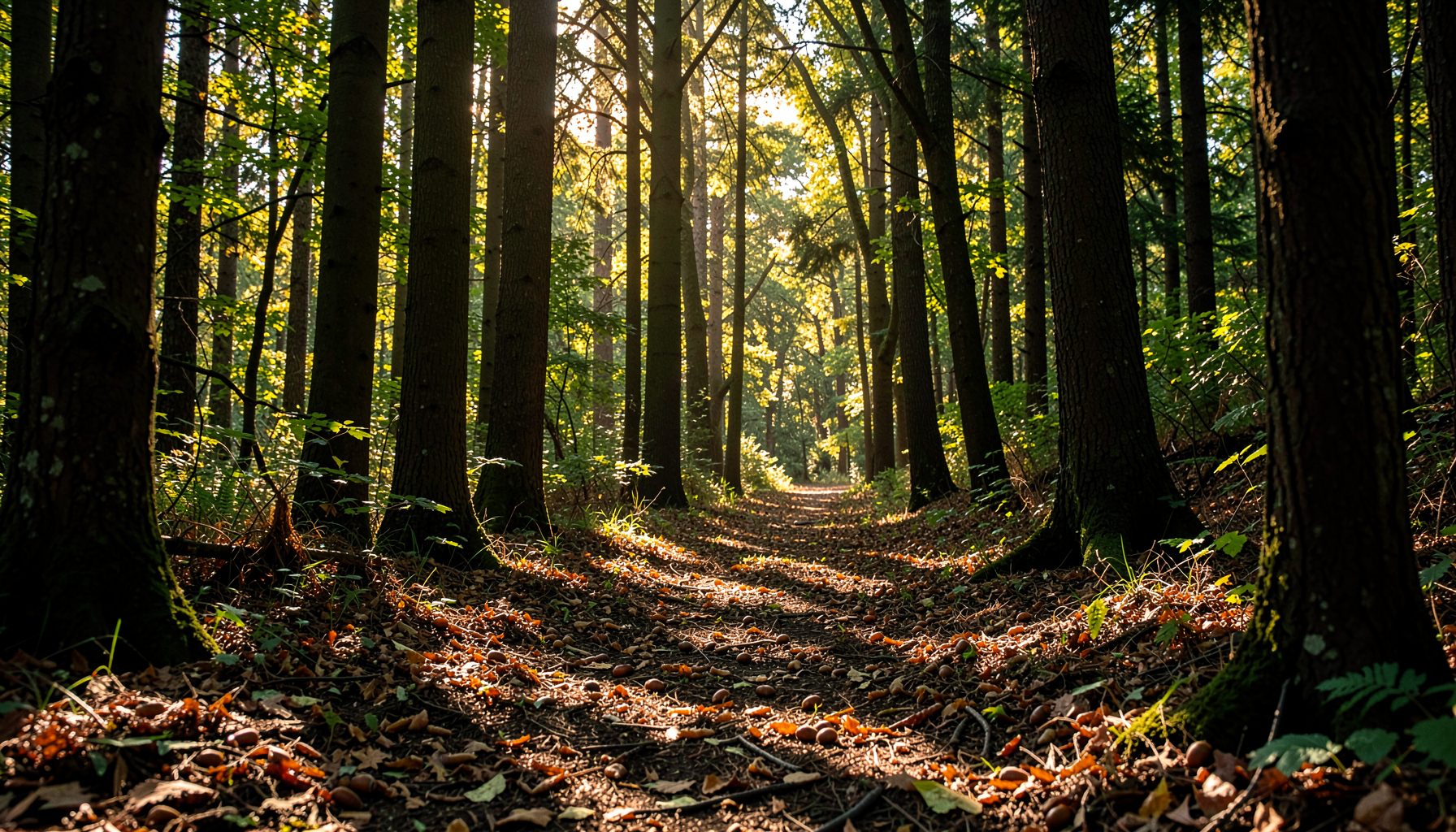
Moving Native Seeds Safely To Donation Sites
Native seeds are small, but the way they are handled after collection can determine whether they become healthy seedlings or unusable material. Acorns, walnuts, hickory nuts, and other hardwood seeds may be affected quickly by heat, drying, mold, crushing, or delays. Careful transportation protects the quality of each collection and helps nurseries put donated seed to productive use.
For watershed restoration programs, the journey from a forest edge, schoolyard, or community gathering place to a donation site is part of the conservation work. Volunteers need a simple process that keeps seeds identifiable, cool, clean, and well ventilated without making collection days difficult.
The best methods for transporting seeds to donation sites depend on the species, weather, distance, and expected storage time. A breathable container, accurate label, gentle handling, and prompt delivery provide a reliable foundation for most native tree and shrub seed collections.
Prepare Before Collection Day
Before gathering seed, check the donation program’s current requirements. Some nurseries accept particular species, collection dates, or minimum quantities, while others may request information about the collection location. Confirming these details prevents volunteers from transporting unsuitable or unneeded material.
Bring clean paper bags, shallow cardboard boxes, reusable crates, labels, a permanent marker, and a cooler for hot weather. Avoid relying on plastic grocery bags or sealed food containers. They trap moisture around fresh seed and can create warm, humid conditions where mold develops rapidly.
Volunteers should also plan a route and delivery window. Seeds should reach the donation site as soon as practical, especially after collection in warm weather. If a same-day handoff is impossible, arrange temporary storage in advance rather than leaving bags in a vehicle overnight.
Individuals, families, schools, and workplaces can find current volunteer details through registration information. Signing up ahead of time also helps coordinators estimate the volume of seed arriving and prepare receiving space.
Choose Containers That Protect Seed Quality
Paper bags are a dependable choice for many acorns, nuts, and fleshy-fruit seeds once excess surface moisture has been removed. They allow air movement and make it easier to keep different species or collection areas separate. Use a separate bag for each species and, when requested, for each collection site.
For larger quantities, place paper bags in rigid cardboard boxes or ventilated plastic crates. The outer container should prevent crushing while still allowing airflow. Do not pack seed so tightly that bags become compressed or warm in the center. A shallow layer is easier to inspect and cool than a dense sack.
Plastic containers have limited uses. A perforated tote may protect seed during a short trip, but an airtight tub or tied plastic bag is generally unsuitable for fresh collections. If plastic must be used temporarily because of rain, transfer the seed to breathable packaging as soon as it reaches a dry location.
Keep containers off wet ground and away from fuel, cleaning chemicals, pesticides, and strongly scented materials. Seeds can absorb odors and may be contaminated by substances that are difficult to detect visually.
Keep Seed Cool, Dry, And Identifiable
Temperature control is especially important during autumn collection, when a closed car can become unexpectedly hot. Transport boxes should stay in the passenger compartment rather than a sun-heated trunk when possible. Park in shade, limit unnecessary stops, and never leave seed in a vehicle for several hours.
Cool conditions help slow deterioration, but seed should not be placed directly against frozen packs. Condensation can form when cold surfaces meet humid air, wetting paper bags and increasing the risk of mold. If a cooler is needed, wrap ice packs in a towel and leave enough space for air circulation.
A label should travel with every batch. Include the common name, scientific name if known, collection date, general location, collector or group name, and any relevant notes about the parent tree or site. Legible labels help nursery staff sort seed and preserve useful records about local genetic sources.
Do not mix sound seed with visibly damaged, diseased, or unknown material. Remove leaves, twigs, husks, and excess soil when practical, but avoid aggressive scrubbing or washing unless the receiving organization specifically requests it. Clean, dry handling preserves the seed coat and reduces unnecessary injury.
Match The Method To The Seed
Different seed types respond to transport in different ways. Large nuts such as acorns and walnuts are durable enough for careful movement in paper bags or shallow crates, while fleshy fruits may need faster delivery and specialized handling. Learn whether a species requires moisture retention, immediate cleaning, or cool stratification before choosing packaging.
The following guide provides a practical starting point for common native seed collections. Donation-site instructions always take priority, since nurseries may use specific protocols for cleaning, storage, and viability testing.
| Seed Type | Preferred Container | Main Risk During Transport | Helpful Handling Practice |
|---|---|---|---|
| Acorns | Paper bags inside a ventilated box | Heat, mold, and crushing | Keep cool, separate species, deliver promptly |
| Walnuts and hickory nuts | Paper bags or shallow crates | Impact damage and overheating | Avoid deep piles and record collection details |
| Dry winged seeds | Paper envelopes or bags in a rigid box | Moisture and loss through gaps | Keep dry and protect from wind |
| Fleshy fruits | Ventilated containers with rapid delivery | Fermentation and decay | Follow the program’s cleaning and timing instructions |
| Small shrub seeds | Labeled paper packets in a box | Misidentification and accidental mixing | Use precise labels and gentle handling |
For acorns, avoid leaving large quantities in a deep bucket or sealed tote. The interior can warm quickly even when the outside container feels cool. Spread the collection into several labeled bags so air can move around it and any developing problem can be noticed early.
Walnuts and hickory nuts tolerate firm handling better than many small seeds, but they still need protection from drops and crushing. Use sturdy boxes and do not place heavy equipment on top of them. Keep cracked or insect-damaged material separate if the program wants to evaluate it.
Load And Deliver Without Delays
Load seed containers after tools, muddy clothing, and loose equipment whenever possible. Place them on a level surface where they will not slide, tip, or be compressed. A cardboard divider or empty space between species can reduce accidental mixing during travel.
For a short trip, a ventilated box in a climate-controlled vehicle is often sufficient. For longer routes, use several smaller containers rather than one oversized package. This makes lifting easier, improves airflow, and allows a nursery employee to receive and inspect batches efficiently.
Plan delivery during the site’s accepted hours. Leaving seed outside a closed building, in an unattended drop box, or on a loading dock can expose it to heat, rain, wildlife, and loss of identification. If a delay occurs, notify the program and follow its instructions for temporary storage.
At handoff, provide the collection notes with the seed. Mention whether the material was collected after rain, kept cool, exposed to freezing temperatures, or separated from damaged seed. These details help staff determine whether additional sorting or testing is necessary.
Make Handoffs Clear And Traceable
A well-organized handoff supports both seed quality and conservation records. Use one label on the container and a second copy inside or attached to the delivery paperwork. If a label becomes detached, the batch can still be identified without guesswork.
For group collections, designate one person to check quantities and labels before departure. A simple count of bags or boxes, along with the approximate weight when requested, gives the receiving site advance notice. Photographs of labeled containers can provide an additional record for large volunteer events.
Do not assume that a seed that looks healthy is viable. Nursery staff may test, clean, stratify, or discard material based on species-specific requirements. Volunteers contribute most effectively by delivering well-identified, carefully handled seed rather than trying to perform unapproved treatments at home.
When unusual conditions arise—such as a suspected disease, a large quantity of wet seed, or uncertainty about a species—contact the program before delivery. Growing Native provides a contact option for questions about participation and conservation activities, helping volunteers avoid preventable handling mistakes.
Practical Habits For Every Trip
Small habits make seed transport more reliable, particularly when several people are collecting in different places. Assigning clear responsibilities keeps containers from being forgotten in cars and makes it easier to identify where a problem occurred.
- Use clean, breathable bags and sturdy outer boxes.
- Label each batch before leaving the collection site.
- Keep seed shaded, cool, dry, and away from chemicals.
- Separate species, collection locations, and visibly damaged material.
- Deliver promptly and report delays or unusual conditions.
Avoid overfilling bags, tying them tightly, or stacking heavy objects above them. A container that feels convenient at collection time may become difficult to ventilate during a long drive. Dividing the load into manageable units usually protects the seed and reduces strain for volunteers.
Turn Careful Transport Into Restoration
Every intact, identifiable seed delivered to a nursery represents future habitat. With proper handling, locally collected acorns, walnuts, and other native seed can support seedlings for streamside buffers, forest recovery, erosion control, and cleaner water throughout the Potomac River watershed.
The process begins before the first seed is gathered and ends only when the donation site has received a clear, well-prepared handoff. Prepare containers, protect seed from heat and moisture, record its origin, and coordinate delivery with the receiving program. Those steps give native seed its best opportunity to become part of a healthier forest and watershed. Start preparing for the next collection day and take part in moving local seed toward long-term restoration.