Lightweight Rakes for Gentle Seed Collection from Leaf Litter
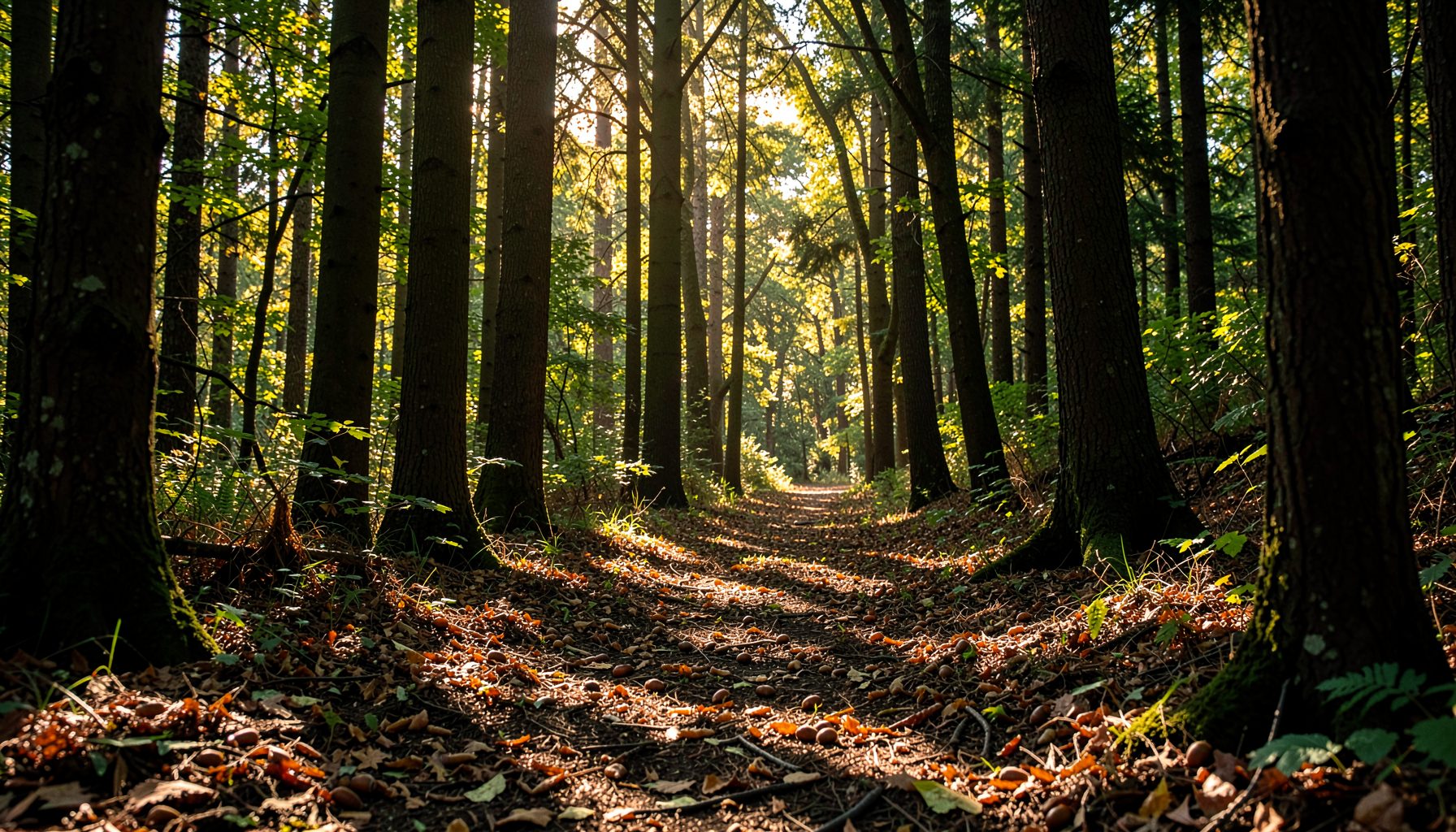
Seed collectors spend less time looking up than down. The prize sits in the leaf litter beneath oaks, walnuts and shrubs: acorns half-buried in damp brown leaves, capsules and pods nestled against fallen twigs. Growing Native volunteers work this way across the Potomac River watershed, gathering native hardwood and shrub seed that state nurseries later grow into streamside seedlings.
The same logic applies in Australia, where eucalypt capsules, acacia pods and grevillea seed rest in the duff beneath suburban street trees and on public land. Groups there often call the work bushcare or landcare rather than seed saving, but the technique is identical: read the litter, find the seed, and leave the forest floor intact.
Choosing the best lightweight rakes for gentle seed collection from leaf litter comes down to weight, balance and tine spacing rather than brand. A rake that feels light in the hand gets used longer, which means more careful passes, fewer crushed seedlings, and less bare soil left behind for the next downpour.
Seed Hides in Plain Sight
Litter is a library rather than a layer of rubbish. Under a mature oak it holds acorns, insect galleries and fungal threads that keep soil stable; under a eucalyptus, the duff traps moisture through a dry summer. Collectors who understand this stop seeing a carpet of waste and start seeing a seed bank with a roof, which is exactly why hand rakes beat machinery for small jobs.
Where you collect shapes the forest that follows. Taking every seed from one damp gully produces a genetically narrow planting, so experienced growers stress the value of drier upland sites as a source of diversity, since trees from drier ground tend to carry traits that help seedlings through drought and heat.
Leave a margin too. Rodents, beetles and birds depend on the same litter, and uncollected seed regenerates in place without anyone lifting a spade. Take modest amounts from many parent trees rather than emptying a single generous crop, and note the location of each collection so seedlings can be traced back later.
What Lightweight Means on a Long Morning
Lightweight describes the whole tool, not just the head. A plastic-tine yard rake usually weighs around 300 to 450 grams, an aluminium model roughly 400 to 600 grams, and a carbon steel rake between 900 grams and 1.3 kilograms. Volunteers raking for several hours are usually happier with the first two, and lighter tools also travel easily in a car boot or on a bus to a planting site.
Tine spacing matters more than weight for seed work. Wide gaps, around 70 to 100 millimetres, let seeds and small pods drop through to the ground rather than jamming in the tines, while narrow combs hold litter but trap seed and flatten insects. Medium-length tines of 40 to 60 millimetres flex slightly and follow the ground without gouging it.
Handle geometry is the third factor. A 25 to 30 millimetre aluminium or fibreglass tube keeps the tool stiff without adding mass, and a telescoping section lets one rake suit taller adults, teenagers and seated volunteers. Good balance near the head means you sweep with the forearm instead of fighting the handle through the wrist.
Rakes and the Tools That Rival Them
The classic Oregon-style seed rake has long steel tines and a wide fan head, built for large acorns in commercial walnut and oak crops. It works well and it is heavy, which makes it awkward for volunteer mornings, school groups and anyone moving between collection sites on foot. For a single tree it is overkill.
Cheaper rivals include folding scoops, hand pickers with flexible jaws, and canvas or matting shaken under branches to catch capsules that drop on their own. Many Australian collectors swear by a plastic rake, a 20-litre tub and a coarse mesh screen: rake, sift, pick, repeat. The screen lets litter fall back to the ground while seed stays in the tub.
Leaf blowers and vacuums deserve a warning. They are fast, but they fling seed into cracks and drains, shred the litter layer, and clear out the sheltered habitat that seed and soil life depend on. They also attract noise complaints in suburban streets, where a gentle rake makes far less of a nuisance during a quiet Sunday morning.
Working Practices for Gentle Collection
Work on dry days after dew has lifted. Sweep in one direction with light pressure, lifting rather than dragging, and turn the litter back over with the tines rather than grinding it. Working in patches of about a square metre makes it easy to spot where seed is concentrated and to comb through the productive ground twice without stripping everything.
Timing changes with the climate. Eucalyptus capsules ripen through spring and summer, and wattle pods follow in late spring and summer, so Victorian collections often run through a dry December while Sydney crews work through a humid one. Check local council green-waste collection schedules too, since garden litter destined for the kerb can hide a surprising amount of usable seed before it is bagged. After bushfires, Victorian and New South Wales hazard reduction crews remove tonnes of leaf litter, so early summer collection can be a race worth joining.
The law shapes what you can collect and where. In Victoria, the Flora and Fauna Guarantee Act 1988 protects listed species and reserves, and many councils impose additional rules on removing material from bushland. New South Wales councils often apply the Biodiversity Conservation Act 2016 to reserves and significant trees, and by-laws may restrict burning or wholesale litter removal. A five-minute conversation with a council biodiversity officer prevents awkward mistakes.
Interstate movement has its own layer. Transporting seed, pods or seedlings across state borders can fall under the Commonwealth Biosecurity Act 2015 and state plant health rules, particularly when soil or plant material moves with them. Keep collections local, keep seed clean and dry, and source anything unusual from a licensed nursery rather than carrying it interstate in a backpack.
Buying a Rake in Australia
Australian buyers will find these tools on shelves at Bunnings, Mitre 10, Home Hardware and independent garden centres, with plenty of choice online through retailers such as Seek and Tooly. Expect roughly $12 to $25 for a plastic-tine rake, $25 to $45 for aluminium, $60 to $90 for a dedicated wide-tine seed rake, and $8 to $15 for a hand picker. Local brands such as Cyclone sit alongside Gardena, Wolf-Garten, Einhell and Ryobi imports.
Check four things before paying: the head material, whether the tines are fixed or swivel, the tine spacing, and whether replacement handles and heads are sold separately. Second-hand rakes turn up at op shops, council tool libraries and community garden sheds for a few dollars, and hardware stores run their cheapest garden stock in late winter and spring. A worn rake with loose tines is worth repairing, since a bent tine tears litter instead of lifting it.
| Tool | Typical materials | Rough head weight | Best suited to | Watch for |
|---|---|---|---|---|
| Plastic-tine rake | Polypropylene tines, steel or aluminium handle | 300–450 g | General litter combing, school and family groups | Tines stiffen in cold weather; not for heavy wet duff |
| Aluminium rake | Aluminium head and handle | 400–600 g | Long collection mornings, mixed litter | Bent tines need replacing rather than straightening |
| Wide-tine seed rake | Steel tines at 70–100 mm spacing | 900 g–1.3 kg | Acorn and pod collection under trees | Heavy; pair up for transport |
| Soft-bristle duff rake | Fine flexible bristles | 350–500 g | Delicate understorey and small-seed crops | Too soft for thick leaf mats |
| Hand picker and screen | Steel or plastic jaws, mesh | Under 200 g each | Finishing and sorting collected seed | Slower than a rake for bulk litter |
A complete kit needs little else: a rake, a tub with a smooth rim, a mesh screen, gloves, and labelled envelopes or paper cones for each parent tree. Keep a notebook with the site, date and species, because that record is what allows seedlings to be returned to the right place.
Join a Seed Collection Day
The gear matters, but the organised group matters more. To see how Growing Native works, volunteers collect native hardwood and shrub seed, including acorns and walnuts, which are donated to state nurseries and grown into streamside seedlings for reforestation, erosion control and cleaner water. Volunteer sessions welcome individuals, families, schools, community groups and workplaces, and the organisation also provides educational materials on tree identification, forest ecology and watershed health.
Australian readers can find the same pathway locally through Landcare and Bushcare networks, council nurseries, riparian planting groups and community seed banks that grow eucalypt and wattle seedlings for creek-bank restoration. A morning with a friendly crew, a lightweight rake and a stack of labelled envelopes produces more usable seed than a lone afternoon of sorting through leaf bags at home.
Pick up a rake, join the next collection day, and bring your seed back to a nursery that knows what to do with it.