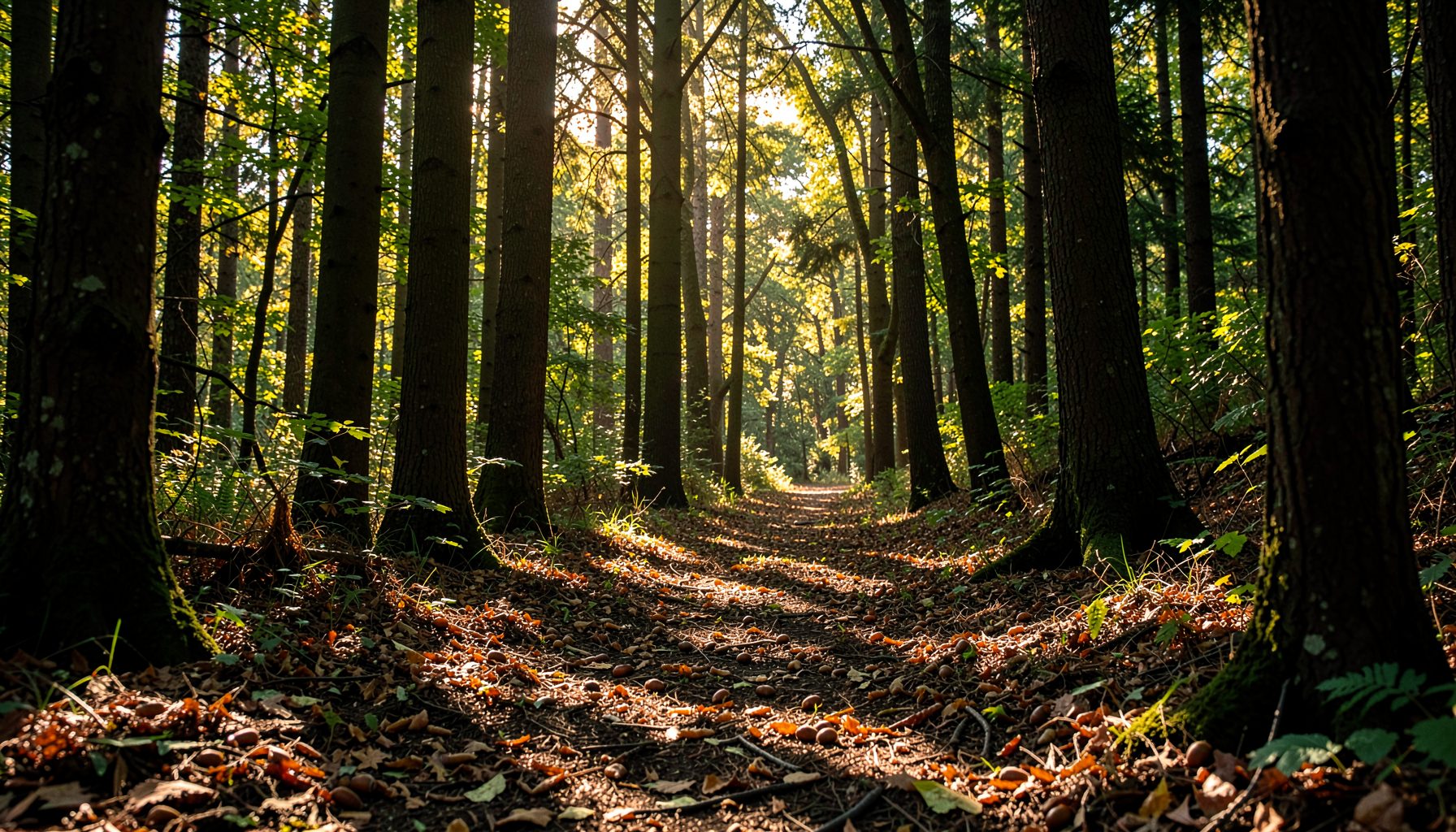
Preparing collection sites with a mowing crew in August
Preparing a collection site with a mowing crew in August is more than cosmetic. Carefully managed mowing can open access routes, reveal fruiting trees and shrubs, and make uneven ground easier to inspect. It can also reduce competition from grass around young native growth, helping streamside seedlings establish once nursery stock is ready. For Growing Native, where volunteer-collected acorns and walnuts become trees for the Potomac watershed, better field preparation supports every later stage of restoration.
Growing Native operates in the Potomac River watershed, where August brings late-summer heat, firm access tracks and fruit beginning to ripen. A crew can work before volunteer seed days, cut back dense vegetation and tidy routes while the soil is still firm enough for machinery. In Australia, August is generally winter, so the same sequence may need to shift later; the aim is to prepare before local seed ripens, not to follow a Northern Hemisphere date.
Why August preparation pays off
The advantage of early preparation is cumulative. An accessible, visible site lets collectors spend their time gathering seed instead of searching, while early removal of competing vegetation can improve conditions for natural regeneration. Preparation also gives managers time to identify unstable banks, invasive weeds, damaged fencing and unsafe branches before families, students and workplace teams arrive.
August can also be a good time to establish clear boundaries around target trees. Crews can mark a collection zone, note access restrictions and prevent vehicles or equipment from damaging root zones. This advance work reduces disruption during the busiest collection period and helps volunteers concentrate on careful harvesting rather than site navigation.
Clearer access and faster collection
A mowing plan should connect parking or meeting points with each target tree, while preserving enough habitat around the vegetation. Crews can cut a manageable route through tall grass, remove low branches that block access and create a safe standing area for sorting seed and recording observations. Route design should also avoid wet areas, steep banks and places where machinery could compact the soil.
Lower vegetation makes mature specimens and fallen fruit much easier to spot. Collectors can assess crown condition, identify invasive plants and reach the ground beneath target trees without trampling surrounding habitat. Growing Native’s practical collection guidance recommends taking only ripe, healthy seed and recording the parent tree, so a well-organised site makes accurate records easier.
Practical systems save time on collection mornings. A clearly marked parking area, temporary signs and a designated table for sorting and labelling prevent confusion, while a simple map showing target trees helps groups divide the site. Equipment should be stored away from waterways, and every collection container should carry a label recording the species, source and date.
Healthier regeneration after sowing
Reduced competition is one of the strongest ecological arguments for preparing a restoration site. Lower grass can improve light access and make seedlings easier to locate for watering, staking and protection. Mowing can also reveal whether weeds, browsing or failed germination are preventing native plants from establishing.
Bare ground is not automatically better, however. Mowing close to waterways can expose soil, increase runoff and compact wet ground. Work on slopes should follow the contour, retain riparian buffers and stop if the ground is saturated. Leaving some uncut refuge, leaf litter and ground cover protects invertebrates and soil. The work is valuable only when the site plan improves regeneration rather than simply making it look neat.
Safer and more efficient volunteer days
A mowing crew can expose trip hazards before large numbers of volunteers arrive. Uneven ground, fallen limbs, holes and concealed debris are easier to address during preparation than during a busy seed collection. Crews should also inspect trees for dead limbs and remove or mark any danger near gathering areas.
Clearer access reduces the distance volunteers must carry buckets, tools and seed bags. Shorter routes lower physical strain and make it easier to supervise children and less experienced participants. A briefing area should remain separate from machinery, while toilets, drinking water, first aid and emergency contacts should be confirmed before the event.
Safe equipment and clean handling matter too. Only trained operators should use mowers, and volunteers need closed boots, gloves and high-visibility clothing where vehicles are present. At the collection point, sorting tables and containers should prevent seed from mixing with soil or water. For volunteers processing smaller lots at home, Growing Native’s simple seed cleaning station guide provides a practical way to screen, label and store collected material.
Australian conditions, seed markets and land rules
Australian conditions make timing a local decision. In Canberra, August can bring frost, damp grass and soft soil, so a mower can make ruts or compact a site if crews work after rain. Melbourne may have dry, firm tracks suitable for preparation, while Sydney’s humid creek corridors can remain green and wet. Crews should inspect conditions on the day rather than mow according to a fixed calendar.
Native seed is bought and exchanged through specialist nurseries, council contracts, Landcare groups and local seed banks. Following bushfires in Victoria, demand for locally sourced eucalypt, acacia and riparian seed has increased, so even a modest harvest can have ecological and commercial value. Sydney groups restoring urban creek buffers also value appropriately sourced local seed, particularly where waterways are suffering from erosion, nutrient runoff and loss of native vegetation.
Permission and biosecurity rules matter as much as field technique. Collection from public land may require approval from a council, reserve manager or other authority, while private property requires the owner’s consent. For example, Crown land in New South Wales is governed by the Crown Land Management Act 2010 and site-specific reserve rules. Moving seed between states or territories can also attract biosecurity conditions, so volunteers should check current requirements, keep lots labelled and traceable, and avoid sending material that has not been identified or inspected for pests.
Field recommendations for reliable seed collection
Use a written site plan so the mowing crew, nursery coordinator and volunteer leaders understand the same priorities. The plan should identify access routes, target trees, protected areas, wildlife concerns and collection stations before equipment arrives.
- Survey the ground after recent rain and avoid saturated slopes, creek margins and heavily trafficked areas where mowing would compact soil or damage roots.
- Mow in patches rather than clearing the entire site, retaining refuge strips, ground cover and uncut sections that provide habitat, erosion control and future seed sources.
- Create a clean collection station with shade, seating, labelled containers, tools and a map of target trees, keeping harvested material away from machinery and runoff.
- Check for nesting birds, wildlife and valuable plants before cutting, and stop work if active nests, threatened species or unexpected hazards are found.
- Record the date, location, species and quantity from each parent tree, then clean and store the lots separately according to the nursery’s handling and biosecurity requirements.
Review the results after the first preparation round. Managers should compare volunteer travel time, seed collection rates, habitat damage and site condition, then adjust mowing height, route placement or timing before the next crew visit. A useful plan is flexible enough to respond to weather without abandoning the ecological safeguards that make restoration effective.
Support native forest and watershed recovery
Site preparation connects volunteers to a much larger restoration effort. A clear collection area makes participation easier, healthy regeneration increases the value of each seed lot, and careful habitat protection ensures that a temporary mowing operation does not undermine long-term stewardship. These benefits apply whether a crew is collecting hardwood seed for a state nursery or restoring a neighborhood creek.
People in the Potomac River watershed can contact Growing Native to learn about volunteer seed collections, family and school activities, community projects and workplace opportunities. Australian conservation groups can apply the same approach through local nurseries, Landcare networks, council reserves and catchment partnerships, while adapting the timing to local climate and permission requirements.
Make the next field day count by preparing a safe, accessible and ecologically responsible collection site, then gathering seed with the care needed to restore forests, stabilise waterways and support healthier communities.