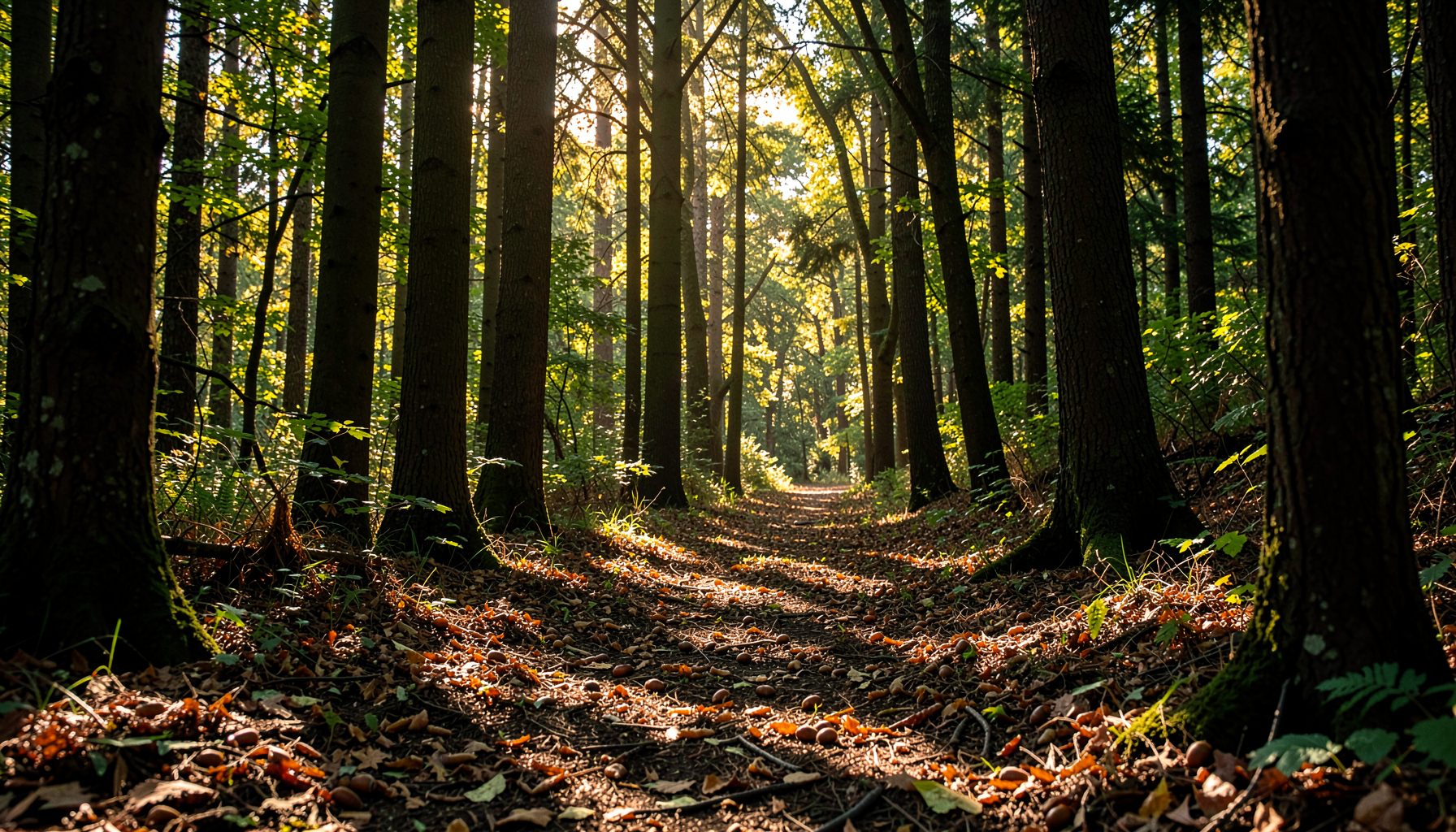
Reading Forest Health Through Seed Collection Data
Seed collection is often treated as a practical task: find ripe fruit, gather viable seed, record the location and deliver the material to a nursery. Yet each collection also captures a small piece of ecological evidence. The timing of flowering and fruiting, the quantity of seed available, the condition of parent trees and the species present can reveal changes across a forested catchment.
For volunteers in Australia, this approach offers a useful way to connect bushland observations with longer-term restoration work. A Landcare group beside a Victorian creek, a school near the Brisbane hinterland or a community nursery outside Canberra may collect different species under different conditions, but all can build a meaningful local record when observations are made consistently.
Growing Native applies this principle across the Potomac River watershed in the United States. Its volunteers collect native hardwood and shrub seed, including acorns and walnuts, for state nurseries that raise streamside seedlings. The same data-minded approach can help Australian groups understand regeneration, drought stress, invasive pressure and the condition of riparian vegetation without confusing a single poor season with a permanent decline.
To use seed collection data to monitor forest health trends, the central task is to turn individual records into comparable observations. A notebook entry from one autumn becomes much more valuable when it can be compared with records from the same site, species and collection method over several years.
Turning Collections Into A Long-Term Signal
A seed record can contain more information than the number of kilograms collected. It may show that a species produced fruit earlier than usual, that fewer parent trees reached maturity, or that seed was concentrated in a small part of a reserve. When repeated across seasons, these details help indicate shifts in forest productivity and resilience.
The first step is to define what “healthy” means for the landscape being monitored. In a eucalyptus woodland, healthy function may include regular flowering, adequate seedling recruitment and a mix of age classes. Along a creek in New South Wales, it may also involve stable banks, shade over the water and native understorey cover. Seed data should support these local objectives rather than act as a universal score.
Timing is especially important. A collection made too early can suggest low viability when seeds simply had not matured. Weather can also alter fruiting windows. Growing Native explains why river birch timing matters, illustrating how species-specific knowledge prevents misleading comparisons.
A useful dataset therefore tracks both abundance and context. “Twenty litres collected” means little without the species, site, area searched, number of collectors, collection duration and maturity of the seed. Standardising those fields allows a small volunteer group to identify real patterns instead of recording changes caused by different effort levels.
Designing Consistent Field Records
Choose permanent monitoring sites that represent the forest types or stream corridors important to the project. Mark them with a map reference, GPS point or clearly described landmark, and return to the same general area each season. Exact repetition is not always possible, particularly after fire, flood or public access changes, but the reason for any change should be documented.
Record the parent trees where practical. A site with ten fruiting trees may produce a very different result from a site with one exceptionally productive individual. Note tree health, canopy condition, visible disease, browsing, storm damage and whether the tree is isolated or part of a larger stand. Photographs taken from similar positions can add useful evidence to written notes.
Australian groups should record rainfall and heat conditions in plain language as well as using formal data. A dry winter in the Murray-Darling Basin, a late storm in southeast Queensland or an unusually hot spring around Perth may explain a sudden change in seed output. Local Bureau of Meteorology records can later be matched with collection dates, while comments such as “soil still dry below leaf litter” preserve observations that weather stations may miss.
Keep taxonomy precise, particularly where common names vary between regions. “Gum” may refer to many eucalypts, while wattles can be difficult to identify when not flowering. Use scientific names where possible, note the confidence of identification and retain a voucher photograph or reference image. The Growing Native sites provide a useful example of how a conservation program can organise place-based participation and connect local observations with a wider restoration network.
Practical Monitoring Fields And Signals
A compact field form is more likely to be completed correctly than a complicated one. Digital forms can speed up data entry, but paper sheets remain valuable where mobile coverage is limited. Whichever method is used, keep field names and measurement units consistent from year to year.
Useful fields to capture during every collection include:
- Date, start and finish time, and the people involved
- Site name, GPS location, habitat type and recent disturbance
- Species, estimated number of parent trees and tree health
- Collection effort, such as area searched or person-hours
- Amount collected, maturity, visible damage and cleaning method
- Follow-up germination or nursery results when available
The dataset becomes more powerful when collection results are compared with other signs of ecosystem condition. Seed quantity may remain stable while germination falls, or fruiting may increase while young plants fail to establish. These differences point to separate pressures, such as heat during seed development, fungal damage, grazing, compacted soil or insufficient moisture after germination.
Look for signals that can be tested rather than treated as proof. Repeatedly earlier fruiting may indicate a seasonal shift, but it could also reflect a change in observer timing. Fewer seeds per tree may suggest drought stress, yet a mast year followed by a quiet year may be normal for that species. Monitoring works best when the record encourages closer investigation.
Other indicators worth pairing with seed data include:
- Flowering dates and the length of the fruiting period
- Seedling counts in fixed plots or along creek transects
- Canopy gaps, leaf loss, dieback and storm damage
- Pest, disease, browsing and weed observations
- Soil moisture, stream condition and recent rainfall
- Germination rates from nursery or propagation trials
Treat missing data as information too. A site that could not be visited because of flooding, access restrictions or a bushfire should not be silently recorded as zero collection. Mark it as unavailable and explain why. This distinction protects the integrity of trend analysis and may reveal how extreme events affect both forests and community monitoring capacity.
Reading Patterns Without Jumping To Conclusions
A simple annual total can hide important variation. Calculate collection per hour, per collector or per sampled parent tree when the necessary information is available. Comparing standardised rates helps distinguish a genuinely productive season from a year when more volunteers spent more time in the field.
Use rolling averages or multi-year comparisons to smooth short-term noise. Three to five years of observations can begin to show whether fruiting is becoming earlier, less reliable or more concentrated in particular locations. Longer records are even more valuable because many native trees naturally vary between heavy and light seed years.
Break results down by species and habitat. A creekside tree may respond differently from one on a dry ridge, even within the same reserve. In Australia, a riparian corridor near the Yarra, Hawkesbury-Nepean or Torrens may retain more moisture than nearby woodland, while a prolonged drought can still affect both. A whole-project average may conceal these local differences.
Be careful with data collected by changing teams. One group may identify immature fruit more readily, another may cover a larger area, and a new access route may expose trees that were previously missed. Include observer names, training dates and any changes to the protocol. These details make the record auditable and help explain apparent jumps or declines.
Ecological relationships matter as well. Forest health is linked to water movement, soil stability, wildlife and seasonal food supplies. Research shared by Growing Native on beavers and streams demonstrates how changes to stream structure can influence forested waterways. In Australian settings, comparable attention may focus on wetland vegetation, woody debris, floodplain connectivity or the effects of altered flow regimes rather than beaver activity.
Connecting Observations To Restoration Action
The purpose of monitoring is to improve decisions. If a species shows repeated low seed production at several sites, a nursery may adjust propagation targets, seek seed from a wider geographic range or investigate pollination and disease issues. If seedling survival is poor despite strong collections, restoration teams may need to examine planting timing, weed competition, grazing protection and follow-up watering.
Data can also guide volunteer effort. A group might schedule collection days around observed maturity windows, prioritise under-sampled habitat or train more people in the identification of difficult species. For a workplace or school, a clear trend can turn an occasional planting day into a continuing stewardship program with measurable outcomes.
Community records are especially useful when they are shared with the people managing the land. Local councils, catchment authorities, Traditional Owner organisations, nurseries, universities and Landcare networks may each hold part of the picture. In Australia, project funding often depends on demonstrating practical benefits, so a well-maintained dataset can support grant reporting while preserving ecological value beyond a single funding cycle.
Share findings in accessible formats: a one-page seasonal summary, a map showing collection sites, photographs of parent trees and a short explanation of uncertainty. Avoid presenting volunteer data as a definitive scientific survey. Its strength lies in repeated local coverage, practical knowledge and the ability to identify questions that deserve more detailed study.
A strong monitoring cycle ends by reviewing the method itself. Check which fields were skipped, which species were difficult to identify and whether collection effort was comparable. Update the form carefully rather than changing it every season. Consistency creates the foundation for trustworthy forest health trends, while thoughtful refinement keeps the process useful for the people doing the work.
Your next collection can become the beginning of a valuable local record. Choose a site, identify the target species, agree on a simple field method and involve others from your school, family, workplace or Landcare group. Record what was found, what was absent and what conditions shaped the day, then connect the observations with restoration partners and nursery outcomes. That steady contribution helps forests, waterways and future volunteers benefit from knowledge built season by season.