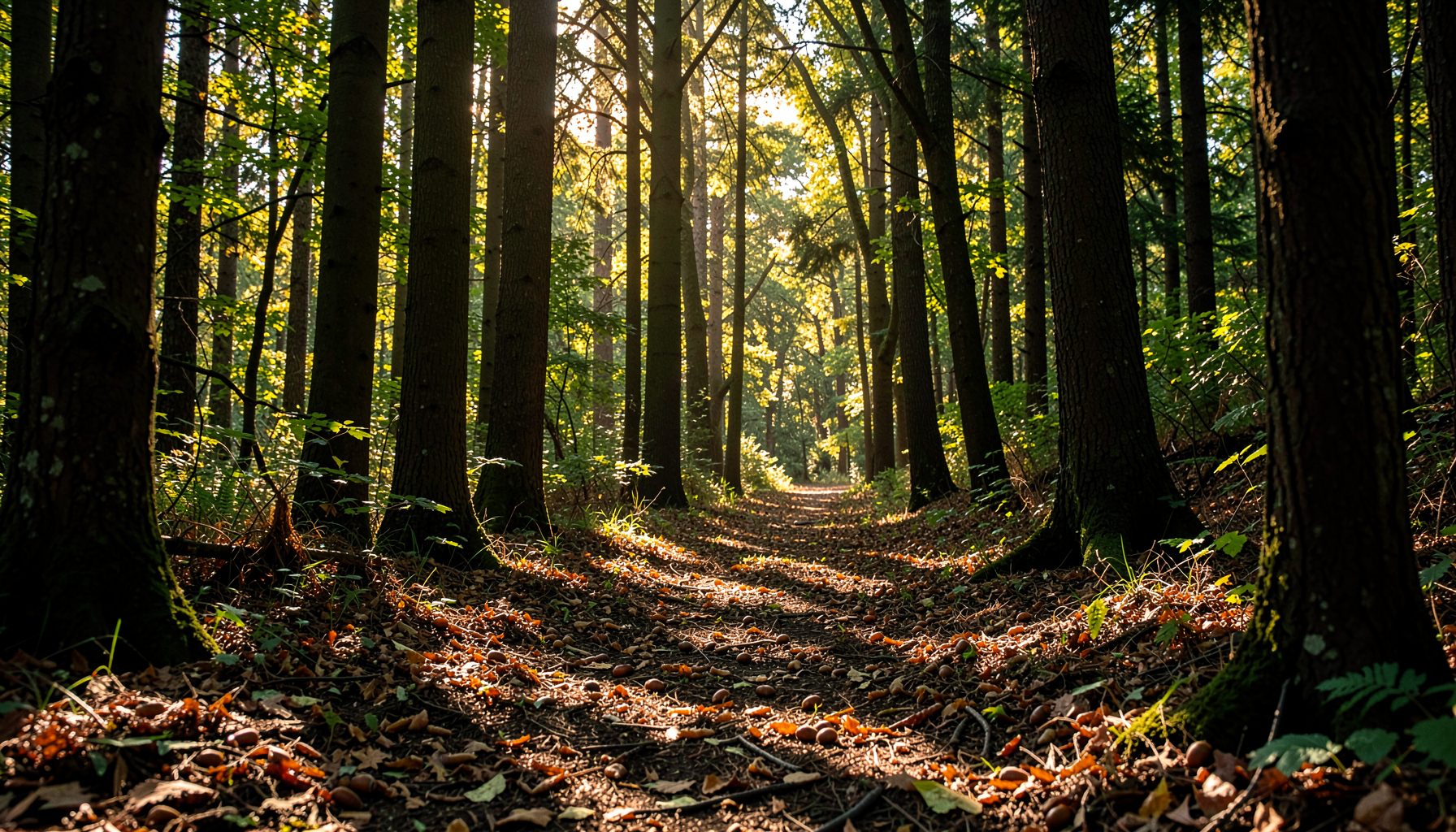
How to Select a Seed Collection Site That Needs Help
A successful seed collection begins long before an acorn, walnut, or shrub berry is placed in a bucket. The location where seeds are gathered affects their quality, genetic value, and potential contribution to future forests. A thoughtful site can provide abundant native seed while drawing attention to a stream corridor, woodland edge, or community landscape that needs stronger ecological care.
For volunteers working across the Potomac River watershed, the best collection areas are often places where healthy native trees still produce viable seed near land that has lost forest cover. These locations may include eroding streambanks, fragmented woodlands, school grounds, parks, or rural properties where reforestation could improve water quality and habitat.
Growing Native connects community members with regional restoration efforts, and its conservation program provides a useful starting point for understanding how collected seed becomes streamside seedlings. Site selection is one part of a larger process that links local observation with long-term watershed health.
Look Beyond Abundance
A site with many fallen acorns is attractive, but abundance alone does not determine whether it is a good collection location. A mature oak in an established, well-managed forest may produce excellent seed, yet collecting there may have less immediate restoration value than gathering from native trees beside a degraded creek or in a fragmented woodland.
Look for places where seed collection can support future planting in conditions similar to the source area. Stream valleys, wet meadows, floodplain edges, and upland-to-lowland transitions often contain a useful mix of hardwoods and shrubs. These habitats can supply seed adapted to local conditions while highlighting gaps in tree cover that contribute to runoff, heat, and erosion.
A site does not need to look severely damaged to need help. A narrow riparian strip, a pasture with no shade along its drainage channel, or a suburban stream bordered by invasive plants may all benefit from additional native trees. The goal is to recognize where future seedlings could strengthen an existing ecological connection.
Identify Signs of Ecological Need
Water is one of the clearest indicators of restoration need. Examine streambanks for exposed soil, collapsing edges, sediment deposits, or roots that no longer hold the ground together. Wide sections of open lawn beside a creek can allow stormwater to reach the channel quickly, carrying soil, nutrients, and pollutants downstream. A future band of native trees and shrubs can help slow that flow and stabilize the bank.
Forest fragmentation is another important clue. A small cluster of mature trees surrounded by roads, fields, rooftops, or mowed areas may serve as a valuable seed source, but it may also reveal a landscape missing a continuous canopy. Gaps between wooded patches reduce wildlife movement and leave waterways more exposed to temperature changes and runoff. Collecting from nearby native trees can support projects that reconnect those gaps.
Watch for signs that native vegetation is being displaced. Garlic mustard, autumn olive, multiflora rose, Japanese honeysuckle, and other invasive plants can crowd out young trees and shrubs. Heavy deer browsing, compacted soil, repeated mowing, and unmanaged dumping also affect a site’s ability to regenerate. These conditions do not automatically rule out collection; they help explain why the area may deserve restoration attention.
Evaluate Native Seed Sources
Once a potentially valuable location is identified, inspect the trees and shrubs themselves. Prioritize healthy native species that are mature enough to produce regular crops. Look for sound crowns, strong growth, intact bark, and evidence of natural regeneration nearby. A site with several specimens of the same species is often preferable to one isolated tree because it may offer greater genetic diversity.
Common collection targets can include oaks, hickories, walnuts, maples, sycamores, river birches, dogwoods, and native shrubs. Correct identification matters, especially when related species grow together. Use leaves, bark, twigs, fruit, and overall growth form rather than relying on a single feature. Avoid collecting from ornamental cultivars, trees of uncertain origin, or plants that appear stressed by disease or pollution.
Timing also affects site quality. Visit during the growing season to identify species and assess habitat, then return when seeds are mature. Sound seeds should generally feel firm and heavy for their type, with limited insect damage, mold, or cracking. A productive site may require several visits because different species ripen at different times and wildlife can remove seed quickly.
Compare Sites With Consistent Criteria
A simple assessment helps volunteers choose between several possible locations. Record the dominant native species, approximate number of mature seed-producing trees, evidence of regeneration, proximity to streams or wetlands, and visible threats such as erosion or invasive plants. Note whether the location is easy to reach without trampling sensitive habitat.
The most promising site often balances ecological need with practical collection conditions. A severely degraded area may have little native seed available, while a healthy forest may offer plenty of seed but limited restoration relevance. A moderately disturbed stream corridor with several healthy native trees can provide both a dependable harvest and a strong connection to watershed recovery.
| Site feature | Strong opportunity | Use caution when |
|---|---|---|
| Native seed trees | Several healthy mature trees of known native species | Trees are isolated, ornamental, diseased, or misidentified |
| Watershed value | Near a stream, wetland, drainageway, or forest gap | Site is far from restoration priorities or has no clear habitat connection |
| Regeneration | Native seedlings or saplings are present | Invasive plants, mowing, or browsing prevent natural renewal |
| Seed condition | Firm, mature seed with limited pest damage | Most seed is moldy, hollow, cracked, or heavily infested |
| Access | Safe entry with little soil or vegetation disturbance | Steep, unstable, polluted, or heavily trafficked ground |
| Permission | Landowner or manager approval is available | Ownership is unclear or collection is prohibited |
Use the assessment as a guide rather than a rigid scoring system. A site with fewer seeds may still be valuable if it represents a rare local habitat or fills an important gap in a restoration corridor. Likewise, an abundant crop may be unsuitable if collecting would disturb wildlife, damage vegetation, or violate land management rules.
Confirm Permission and Collection Safety
Every site needs clear permission before collection begins. Public land may have regulations that differ by park, municipality, state agency, or watershed authority. Private property requires direct approval from the landowner or manager. Explain what you plan to collect, when you will visit, how many volunteers will attend, and how the seed will be handled afterward.
Access conditions deserve equal attention. Avoid unstable streambanks, flooded areas, active roadsides, utility corridors, and sites with visible chemical spills or dumped waste. Do not climb trees or enter restricted areas to reach seed. Collecting from the ground is usually safer and reduces damage to branches, bark, and developing fruit.
Choose collection methods that leave enough food for wildlife and enough seed for natural regeneration. Spread activity across the site instead of gathering every seed beneath one tree. Avoid disturbing leaf litter, seedlings, nests, mushrooms, and other organisms. Gloves, sturdy footwear, visibility clothing near roads, and a first-aid kit can make a group outing safer and more comfortable.
Before the visit, review how to collect so that volunteers understand species handling, sorting, labeling, and delivery expectations. Good field notes should include the collection date, location, species, approximate source tree information, and any observations about habitat conditions.
Build a Reliable Site Record
A site record turns a one-time outing into useful conservation knowledge. Write down the location using a recognizable address, trail name, landmark, or map point. Add photographs of the seed trees, surrounding habitat, stream condition, and access route. These details help future volunteers return at the right time and allow restoration partners to understand the landscape.
Record what changes from season to season. One year may bring a heavy acorn crop, while another produces more walnuts, hickory nuts, or native shrub fruit. Weather, drought, late frosts, and wildlife activity can all affect yield. Repeated observations reveal which sites are dependable and which are worth visiting only under particular conditions.
A good record can also identify restoration opportunities beyond seed collection. Note areas where tree planting could reconnect canopy, shade a warm stream, reduce bank erosion, or replace invasive shrubs. Mention existing native plants that should be protected during future work. Seed gathering becomes more meaningful when it is paired with a clear understanding of where new plants may eventually serve the watershed.
Practical Choices for Better Collection Visits
Use these recommendations when comparing potential collection locations:
- Favor native seed trees near streams, wetlands, forest gaps, and eroding drainageways.
- Confirm species identification and avoid trees that are diseased, heavily stressed, ornamental, or of uncertain origin.
- Check seed maturity and quality before organizing a large volunteer visit.
- Obtain written or clearly documented permission from the landowner or land manager.
- Plan safe access, limit disturbance, and leave sufficient seed for wildlife and natural regeneration.
The strongest collection sites connect a healthy local seed source with a landscape need. By observing trees, water, soil, access, and surrounding land use together, volunteers can make decisions that support both immediate seed gathering and future restoration. A small bag of carefully collected native seed can become part of a much larger effort to cool streams, reduce erosion, rebuild forest cover, and strengthen habitat across the watershed.
Find a suitable location, document what you see, and organize a responsible collection visit through Growing Native. Each well-chosen site can help turn local stewardship into healthier forests and cleaner waterways for years to come.