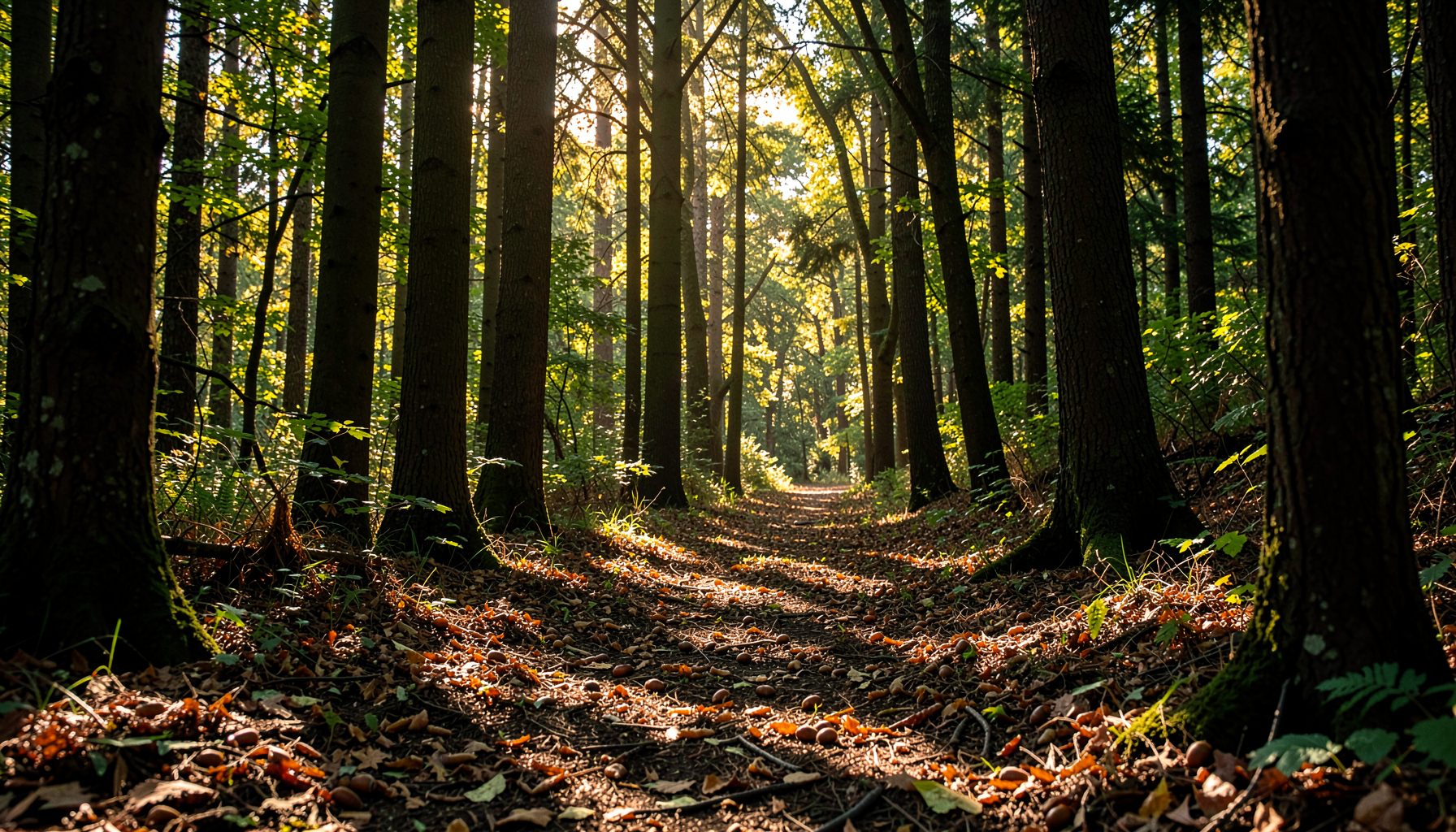
Safe Seed Collection Near Power Lines
Collecting seeds from local trees can support reforestation, wildlife habitat and healthier waterways, but trees beside streets and reserves require careful planning. Powerlines add a serious electrical hazard, even when branches appear well away from the wires. Moisture, ladders, metal tools and fallen conductors can all increase the risk of a fatal incident.
The safest approach is to treat every overhead line as live, obtain permission before entering the site and collect only from ground level or from locations well outside the network operator’s exclusion zone. These principles apply whether you are gathering acorns for a community nursery, collecting native hardwood fruit for a school project or helping a restoration group source locally adapted seed.
Why Powerline Sites Need Extra Care
Trees growing beneath or beside distribution lines are often pruned into unusual shapes. Their crowns may be sparse on the wire side, while vigorous shoots extend towards open space. A branch that looks stable can shift in wind, and a long-handled picker can swing unexpectedly into a conductor. Electricity may also arc across a gap without direct contact.
Never climb a tree near overhead lines, attach a rope to a branch or use a ladder, pole pruner, rake or metal fruit picker in the vicinity of wires. Do not assume insulated-looking gloves or plastic handles make the activity safe. Household tools are not designed to protect collectors from high-voltage electricity.
Australian conditions make this risk especially important. Eucalypts can shed heavy limbs during heat, drought or storms, and dry grass around a collection site can create a bushfire concern. Network operators such as Ausgrid, Endeavour Energy, Powercor and Western Power publish different safety rules, so check the relevant state or territory guidance rather than relying on a distance remembered from another area.
Before visiting, inspect the site from a public path. If a tree is within a managed road reserve, railway corridor, school boundary or utility easement, contact the responsible land manager. A restoration organisation’s background and mission can help volunteers understand how seed gathering fits into broader conservation work, but it does not replace permission from the landowner or electricity distributor.
Check Permission and Conditions
Start by identifying the tree, the landholder and the power network. A council reserve may require a permit, while a private property owner may need to approve access in writing. If branches are touching lines, a pole is damaged or a wire has fallen, leave immediately and contact the electricity distributor. Keep people and animals away from the area; call 000 if there is an immediate threat to life or fire.
Choose a collection site after checking weather, access and visibility. Avoid wet or windy conditions, thunderstorms, extreme heat and days with a high fire danger rating. Early morning may offer cooler temperatures, but poor light can make wires harder to see. Wear bright clothing and work with a partner who can watch the surroundings rather than concentrating only on fruit beneath the tree.
Vehicles and equipment need planning too. Park outside gates and access tracks, never beneath lines or in front of utility infrastructure. A ute with a canopy, a bucket or a long tool stored upright can become a hazard when moved around the site. Keep bags, poles, umbrellas and pruning equipment low and controlled while walking.
Where a desirable seed tree is too close to a line, choose another tree. Good seed collection is selective, not urgent. A healthy tree growing in a safe part of the reserve, school grounds or farm boundary is a better source than a dangerous tree with unusually abundant fruit.
Identify and Gather Mature Seed
Correct identification matters because related species can have different ecological value, germination requirements and toxicity. Record the species, approximate location, date and condition of the parent tree. Look for mature fruit, full-sized nuts and sound seed rather than collecting every fallen object. Avoid trees with obvious disease, severe insect damage, poor form or signs of chemical spraying.
For black cherry, bark, leaves and fruit provide useful clues, and this black cherry guide can support identification before a field visit. Compare several features instead of relying on one leaf or fruit, particularly when seedlings will be sent to a nursery. When uncertain, photograph the tree and ask an experienced botanist, council ecologist or local native plant group.
Collect from the ground only when the site is clearly outside the powerline risk area. Choose freshly fallen, undamaged fruit and nuts from several points around the tree. This spreads collection pressure and creates a broader genetic sample. Do not strip a tree bare: birds, mammals and insects depend on its fruit, and enough seed must remain for natural regeneration.
A clean tarp can help separate sound material from soil and leaf litter. Use small buckets or breathable bags labelled with species, site and date. Avoid sealed plastic bags in warm weather, because trapped moisture encourages mould. If a branch hangs over a safe open area, wait for natural drop rather than shaking or striking it. Do not throw sticks, climb, extend poles or ask children to retrieve material from inaccessible branches.
Field Checks Before Collection
Use these checks before anyone begins gathering:
- Confirm written or verbal permission from the land manager.
- Identify the electricity network and review its current safety guidance.
- Walk the site and locate every overhead line, pole, stay wire and access route.
- Cancel the activity during storms, strong wind, extreme heat or high fire danger.
- Keep children, pets and vehicles outside the agreed work area.
- Decide in advance who will supervise, record seed data and respond to an incident.
Once the location is approved, use a simple collection routine:
- Gather only mature, identifiable seed from the ground.
- Take modest amounts from several suitable parent trees.
- Reject mouldy, cracked, insect-riddled or unripe material.
- Label each bag before moving to the next tree.
- Keep tools and bags below shoulder height near any overhead infrastructure.
- Stop immediately if a conductor moves, a branch falls or the site conditions change.
Handle Seed Without Creating New Risks
After collection, inspect material at a safe indoor or sheltered work area well away from electricity infrastructure. Spread fruit and nuts on clean trays, not directly on floors where they can be confused with contaminated debris. Wash hands after handling unknown plant material, and use gloves when fruit pulp, sap or prickly husks may irritate skin.
Do not transport wet seed in a closed vehicle for long periods. Ventilated crates or paper bags are preferable for short journeys, while some species need cool, moist storage or immediate processing. Ask the receiving nursery for its preferred handling method before collecting. Native seed biology varies widely: some seed can be dried briefly, some must remain moist, and some fruit should be cleaned promptly.
Maintain provenance records. A bag labelled only “gum seeds” has little value to a nursery or restoration project. Record the common and scientific name when known, parent tree location, collection date, collector, land manager and any treatment applied. Provenance helps nurseries match plants to local climate and soil conditions, which is increasingly important as Australian communities plan for hotter summers, altered rainfall and more frequent fire weather.
When preparing material for a community group, use clear instructions and age-appropriate supervision. Children can sort fallen fruit, draw leaves or enter collection data, but adults should manage site assessment, transport and any interaction with tools. Workplace and school events should include a safety briefing, first-aid arrangements, emergency contacts and a weather check on the morning of the activity.
Share Seed Responsibly
Seed collection has the greatest value when it connects carefully gathered material with a credible propagation program. A local council nursery, Landcare group, botanic garden or specialist native plant nursery can advise whether a species is wanted and whether collection is legal in that location. In the Australian native plant market, provenance, traceability and ethical collection are increasingly important to growers and restoration buyers.
Growing Native’s educational resource library demonstrates how identification, forest ecology and watershed education can support practical volunteer work. Although its restoration focus is the Potomac River watershed, the core habits translate well to Australian projects: protect parent trees, document origin, reduce erosion and direct seed towards responsible growing programs.
The same principles suit projects in Sydney’s outer suburbs, Melbourne’s creek corridors, Brisbane community gardens and regional catchments affected by salinity or erosion. For example, a school near a stormwater creek might collect fallen seed from approved trees, then work with a local nursery to raise plants for a riparian planting day. A community group near Adelaide or Perth would also need to consider water availability, summer heat and species suited to its specific bioregion.
| Collection choice | Safer practice | Why it matters |
|---|---|---|
| Tree beside a powerline | Select a different tree in an open, approved location | Removes contact, arc and falling-branch risks |
| Fruit still attached to a high branch | Collect sound, naturally fallen material | Avoids climbing, throwing and extended tools |
| Mixed seed in an unlabelled bag | Label each batch by species, site and date | Protects provenance and nursery usefulness |
| Wet seed sealed in plastic | Use breathable packaging and follow nursery advice | Reduces mould and loss of viability |
| Gathering during wind or storms | Postpone until conditions are stable | Limits branch fall, lightning and visibility hazards |
| Taking all available fruit | Leave enough for wildlife and regeneration | Supports ecosystem function and future seed supply |
Safe seed collecting is a small field activity with long-term consequences. A disciplined decision to walk past one risky tree protects volunteers, utility workers, wildlife and the quality of the restoration program. It also builds public confidence in conservation groups and helps ensure that every collected seed has a realistic pathway to a healthy plant.
Plan a permitted, ground-level collection day with a local nursery, Landcare group or school environmental team. Record each seed source carefully, share the safety rules before arriving and direct the finished material to a responsible growing program that can return native plants to streamsides, parks and habitat corridors.