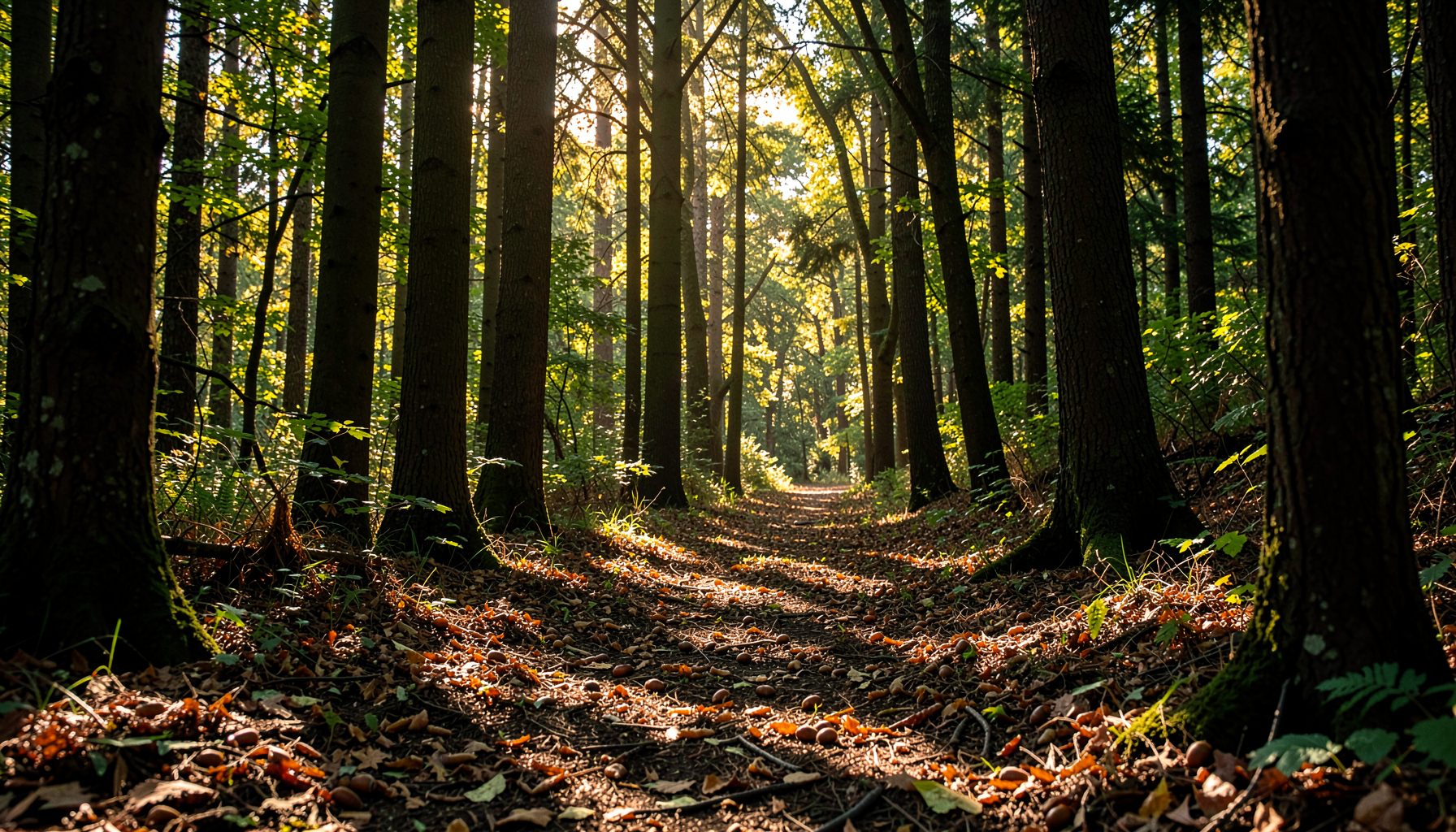
How to plan a seed collection calendar for a full fall season
A successful seed collection season is built around timing, not guesswork. Native trees and shrubs do not all release viable seed at once, and the best collection window can change with rainfall, temperature, drought, wildlife activity and local site conditions. A calendar turns scattered observations into a practical programme that volunteers can follow from the first ripe fruit to the final handover.
For Australian readers, the word “fall” usually means autumn, from March to May. Growing Native works in the Potomac River watershed, where the main collection period generally runs through the northern hemisphere’s autumn, yet the planning principles apply broadly to Landcare groups, schools, councils and community nurseries across Australia. The goal is to gather healthy native seed responsibly and move it towards future forests, stable stream banks and cleaner waterways.
Start with the restoration purpose
Before marking dates on a calendar, define what the seed will support. A streamside planting may need species that tolerate wet soils, occasional flooding and compacted banks. A dry woodland project may call for plants adapted to sandy, shallow or low-nutrient ground. The end use determines which species matter and how much seed is worth collecting.
Growing Native connects volunteer collection with state nurseries that raise streamside seedlings. Its forest restoration work shows why seed gathering is more than a seasonal outdoor activity: locally adapted trees can help slow erosion, shade waterways, provide habitat and strengthen the long-term health of a catchment.
Write a short seasonal objective, such as collecting enough viable acorns and walnuts for a particular nursery intake or supporting several school revegetation sites. A clear purpose helps coordinators decide which locations deserve priority when time, transport or volunteer numbers are limited.
Build a species and site register
Create one record for each target species, with its common name, scientific name, collection area, expected ripening period and preferred habitat. Include at least two or three collection sites per species where possible. A single tree or roadside patch can fail in a poor flowering year, while several sites provide a more reliable supply and preserve genetic diversity.
For Australian groups, local reference points might include a creek corridor near Canberra, a remnant woodland outside Adelaide, or a Landcare site in regional Victoria. Conditions can vary sharply even within one council area. A shaded gully may hold ripe fruit later than an exposed ridge, while coastal plants may respond differently to rainfall than inland populations.
Record land tenure before the season starts. Permission may be needed from a private landholder, local council, national park authority or reserve manager. Collection rules differ between states and sites, so a calendar should include approval dates and contact details rather than treating access as an afterthought.
Track ripening instead of relying on fixed dates
A useful calendar combines an estimated window with field observations. For each species, note when flowers appear, when fruit changes colour, when it begins to soften or split, and when seed starts falling. These signs are usually more dependable than a date copied from last year’s spreadsheet.
Acorns, for example, may mature at different times among oak species and locations. Walnuts can be ready when their outer husks change colour and begin to loosen, but fallen material may already be damaged by insects, mould or wildlife. Schedule the first inspection before the expected window, then return frequently as ripening accelerates.
Weather records are valuable here. In Australia, a week of heat after rain can bring on rapid seed release, while a cool, wet autumn can delay it. Check Bureau of Meteorology forecasts before each outing, particularly when working in areas affected by bushfire recovery, flooding or severe storms. A flexible calendar should contain early, likely and late collection dates.
Divide the season into workable phases
A full autumn programme is easier to manage when divided into phases. The preparation phase can begin four to eight weeks before the first likely collection date. Use it to confirm permissions, inspect trees, brief volunteers, label bags, check vehicles and contact receiving nurseries about their requirements.
The active phase covers repeated field visits. Instead of announcing one large collection day, schedule short outings across several weeks. This approach suits families, schools and workplaces with different availability, and it gives the group a better chance of collecting at peak maturity. In the Potomac region, that may mean moving from early autumn species to later acorn and walnut collections as the season progresses.
The final phase covers sorting, recording, cleaning, temporary storage and delivery. Reserve time for these tasks in the calendar. Seed that is gathered on a Saturday but left in warm bags until the following week can lose viability quickly. Assign a named person to each handover so material does not sit forgotten in a shed or boot.
Match activities to volunteers
A practical calendar recognises that people contribute in different ways. Experienced volunteers can identify trees and judge maturity, while new participants can help place tarps, collect sound seed, count bags or record locations. Children can take part in supervised observation and sorting activities, provided the site and equipment are appropriate.
Schools often work best with a short preparation lesson followed by a field visit and a later seed-processing session. Community groups may prefer weekend mornings, while workplaces can organise a half-day volunteering event linked to environmental stewardship. In Australia, early starts are sensible during warmer months, especially in western Sydney, inland Queensland or South Australia, where afternoon heat can make fieldwork uncomfortable.
Build in backup dates for rain, poor air quality, extreme heat and low volunteer attendance. A calendar that includes only perfect-weather days will fail quickly. It should also state meeting points, parking limits, toilets, mobile reception, first-aid arrangements, sun protection requirements and whether participants need sturdy footwear.
Prepare equipment and quality checks
Keep collection equipment simple and clean. Useful supplies include breathable bags, paper sacks, buckets, tarps, gloves, hand tools where permitted, labels, waterproof pens, a phone or GPS device, and separate containers for each species and site. Avoid sealing warm, damp seed in plastic, since condensation encourages fungal growth.
Every bag should carry the species, collection date, site, collector and batch number. Add notes about whether the seed was gathered from the tree or the ground, and whether it appeared damaged. These details allow nursery staff to assess quality and help coordinators identify which sites performed well in future seasons.
Use a quick field check before accepting material. Discard seed with obvious mould, insect holes, severe cracks or signs of decay, while remembering that appearance alone does not prove viability. Do not strip a site bare. Leave enough for natural regeneration and wildlife, and avoid collecting from unhealthy, isolated or threatened plants unless a qualified programme manager has approved the work.
Include safety, access and environmental care
Safety planning belongs inside the calendar rather than in a separate document that volunteers may never read. Note hazards such as unstable creek banks, falling branches, snakes, ticks, stinging insects, slippery leaves and sudden weather changes. In bushfire-prone parts of New South Wales, Victoria and Western Australia, check fire danger ratings and site closures before travelling.
Use a buddy system and establish a check-in time for teams working beyond easy voice contact. Supervisors should know the nearest road access, emergency address and first-aid location. Ask participants to bring water, sun protection and suitable clothing; “slip, slop, slap” remains useful advice, even when the morning feels cool.
Environmental care also shapes collection timing. Keep vehicles on formed tracks, stay out of sensitive regeneration areas and avoid disturbing nests or ground habitat. When collecting beside waterways, use established access points and avoid trampling the vegetation that the restoration project is trying to protect.
Review the calendar and carry the learning forward
At the end of each collection window, record what actually happened. Compare predicted and observed ripening dates, total quantities, viable batches, volunteer attendance, travel time and weather disruptions. A simple seasonal review will improve next year’s planning far more than relying on memory.
Look for patterns across sites. One creek may produce abundant seed but require difficult access; another may be easy to reach but have poor viability. A school site may collect modest quantities yet offer strong education value. Good planning weighs these factors together rather than measuring success only by the number of bags filled.
When the calendar is ready, share it early with participants and partner organisations. People can then reserve dates, arrange transport and understand why several smaller visits may be more valuable than one large event. Groups interested in joining an established programme can explore volunteer opportunities that connect seed collection with practical watershed restoration.
A strong autumn seed calendar is a living document. It should respond to what trees are doing, what the weather allows and what each landscape needs. Set the first inspection dates now, confirm permissions, prepare clear labels and schedule the follow-up work that turns collected seed into future streamside habitat.#+#+#+#+