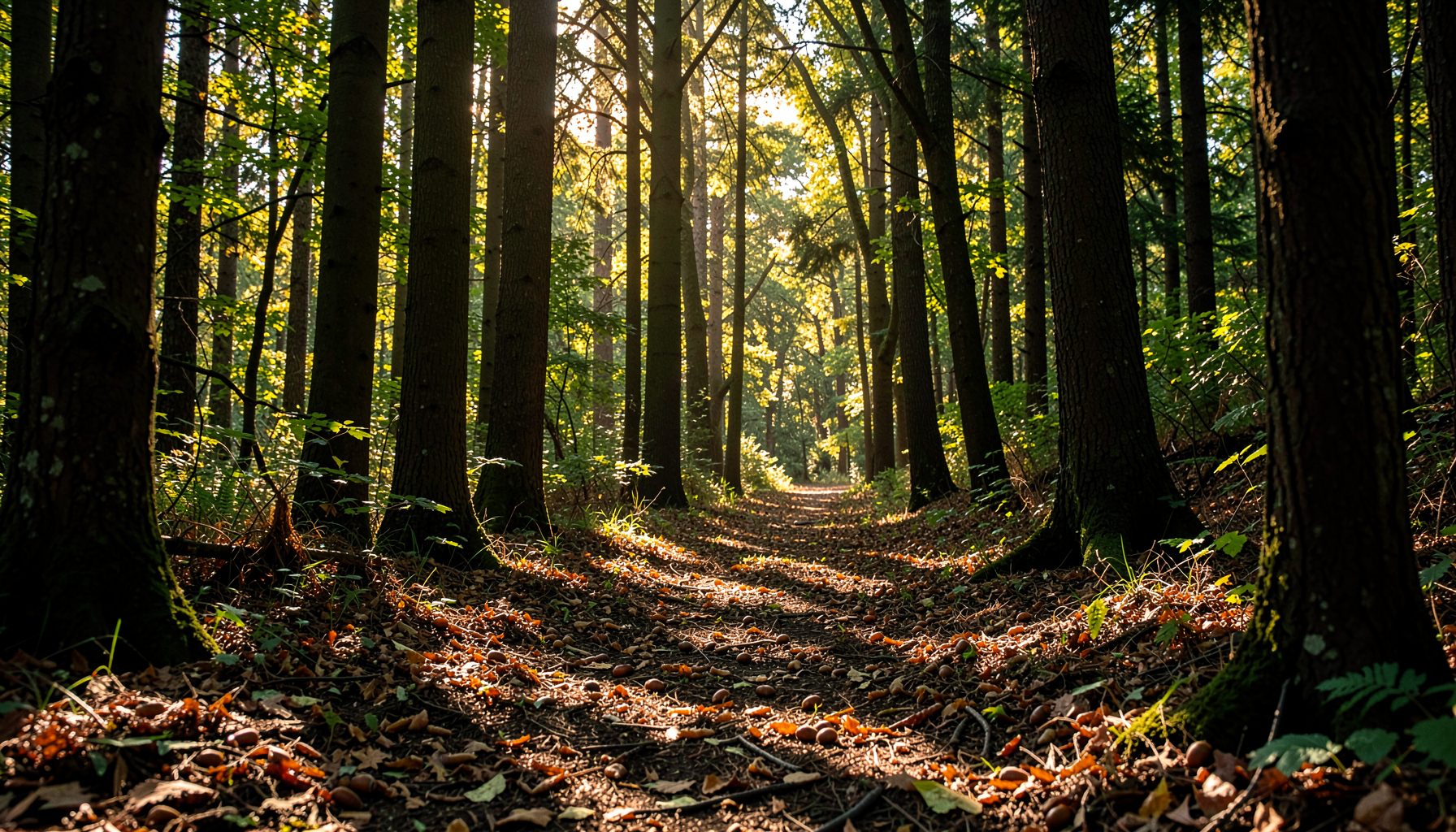
Partnering with Australian schools for hands-on seed collection field trips
Across Australia, more teachers want to turn the bush, the riverbank, and the local reserve into a classroom. A seed collection field trip offers a rare combination: it gets students outside, teaches real ecological science, and produces native seedlings that communities plant back along their own streams and ridgelines. The model has been refined in North America, including by Growing Native in the Potomac watershed, and the same principles translate beautifully to riparian restoration work along the Yarra, the Parramatta, the Brisbane River, and the Derwent.
When schools and volunteer organisations join forces around seed collection, three things happen at once. Students gain hands-on exposure to plant identification and watershed function, councils gain extra pairs of hands for seasonal seed harvests, and nurseries receive locally adapted seed stock for downstream planting projects. Whether you live in Perth, Hobart, or a small town along the Murray, a well-designed partnership can become a recurring part of the school calendar rather than a single event.
Why seed collection trips outperform classroom-only learning
Research into outdoor education in Australian schools consistently shows that students retain field-based knowledge far longer than content delivered through slides. Collecting acorns in autumn — or wattles and eucalypts at the right season here — requires children to look closely at the canopy, the soil, the slope, and the water. They notice which trees stand near a creek versus higher ground, and they begin to understand why a streamside buffer is so important. The seed itself becomes evidence: each labelled bag carries the species name, the date, the collector's name, and the location.
The act of gathering also opens the door to conversations about declining biodiversity and the role of European settlement in shaping today's landscapes. Many Australian schools already weave these discussions through the cross-curriculum priority of Sustainability, and seed collection provides a genuine, place-based way to make that priority tangible.
Reading the Australian landscape before you pick a site
Before approaching any school, walk your own patch. Identify which native species set seed in your region and when. Across much of southeastern Australia, acacias (wattles) drop seed between late spring and early summer, while many eucalyptus species release capsules in autumn and again after a fire cycle. In Western Australia, banksias and hakeas hold their seeds in woody follicles that only open after a blaze, which gives a wonderful teaching moment about fire ecology to older students.
You also need to consider the legislative backdrop. In New South Wales, native seed collection on public land is governed by the Biodiversity Conservation Act 2016 and typically requires consultation with the relevant land manager. Victoria operates under a Native Vegetation Framework, and Queensland's Vegetation Management Act regulates clearing — though seed gathering for rehabilitation is generally encouraged under permit. These frameworks are not roadblocks; they are simply the rules within which a sensible program operates.
Look for a site within comfortable bus distance of the school, ideally near a stream or wetland so students can see the eventual planting destination for the seedlings they are helping to grow. Sites tied to existing Bushcare or Landcare groups tend to have established relationships with councils and a track record of hosting volunteers.
Approaching schools and locking in a partnership
Cold-calling a principal often works less well than walking in through a teacher already enthusiastic about ecology. Begin by mapping the science, geography, outdoor education, and sustainability leads at your local primary or high school. Many secondary campuses in Adelaide, Melbourne, Brisbane, and Sydney now run an Outdoor Education or Environmental Science subject, and those teachers are natural allies.
When you make contact, lead with what you can offer the school rather than what you need from them. Free excursions, real-world curriculum links, and the chance for students to contribute to a recognised community planting program all tend to land well. Have a one-page summary ready that explains the seed collection process, the safety plan, and the learning outcomes. Teachers also appreciate being shown how the experience maps to specific year-level content descriptors.
Practical moves that have helped Australian organisations secure a first booking include:
- Reaching out well before the start of the relevant school term, since permission slips, bus bookings, and risk assessments take time.
- Offering two or three possible dates so the school can fit the trip around camps and assessment windows.
- Asking whether an Aboriginal community educator or ranger could co-host, especially if the site has cultural significance.
- Providing a follow-up resource pack so teachers can extend the trip back in the classroom.
- Sharing photos and data from previous trips; many principals respond well to evidence that other schools have participated safely.
Planning the day itself and what to bring
Australian field conditions are unforgiving if you forget the basics. The sun is genuinely dangerous in most parts of the country between September and March, so every student needs a broad-brimmed hat, a long-sleeved shirt, sunscreen, and at least two litres of water. Many state education departments require schools to follow a SunSmart policy, so building your risk assessment around that standard meets expectations immediately.
For the seed collection itself, plan a starter kit per group of four students: paper bags (never plastic, which encourages mould), a pencil, a clipboard, identification cards, and a hand lens. Pre-cut labels printed with species, date, location, and collector name save time on the day. Pack a small first-aid kit, a charged mobile phone, and a printed map in case a group strays.
Brief students beforehand on what they will see. A slideshow of common local species, an introduction to the watershed they are contributing to, and a quick lesson on why some seeds float and others sink can turn an outdoor walk into a focused mission rather than a scramble.
Teaching identification on the ground
Identification is the part students usually find most rewarding, and it does not need to be intimidating. Pick four or five target species for the trip, ideally a mix of easily recognisable wattles, one or two eucalyptus, and something unexpected like a sheoak or a hakea. Laminate a single field sheet with photographs and key features in plain English — leaf shape, bark type, capsule shape, typical habitat — and give each group a copy.
For older students, introduce dichotomous keys and let them argue their way to a species call. Encourage them to record uncertainty honestly; a bag labelled "wattle, possibly Acacia mearnsii, group 4" is far more useful than one labelled "tree". Connect the activity to why streamside species tend to have different root systems than trees growing on dry ridges, and how those roots stabilise banks during the next flood.
Program coordinators can deepen their own preparation by reviewing the teaching publications section of Growing Native, which offers tree identification and watershed guidance designed for volunteer groups and adapted over years of field experience.
Making the trip count for the curriculum
Teachers need paperwork-ready justifications, so build the excursion around clear curriculum matches. In the Australian Curriculum, year 5 science covers how living things depend on each other and the environment, year 7 explores classification and ecosystems, and year 9 geography investigates biomes. A seed collection day can hit several of these descriptors in a single morning, particularly when paired with classroom follow-up on data tables, seed viability experiments, or designing a replanting plan.
Geography students might compare their local catchment with another Australian river system and discuss why native seedlings matter for water quality. Biology students could germinate a subset of the seeds they collected and compare germination rates between species or between sites. Art and English classes can incorporate creative responses — sketches of bark, capsule, and leaf; a written reflection from the perspective of a planted seedling five years later.
Ways to extend the trip back in the classroom include:
- Setting up a germination experiment that runs for six to eight weeks and graphing the results by species.
- Holding a debate about whether urban development or biodiversity should take priority along urban waterways.
- Inviting a council ecologist to a follow-up lesson for a Q&A session via video call.
- Asking students to design a community poster explaining why their catchment matters.
When you can offer teachers a curriculum-aligned kit, you dramatically raise the odds that your seed collection trip becomes a regular annual event rather than a single afternoon.
Sustaining the partnership past the first trip
The true test of a school partnership is what happens in year two. Schedule a debrief with the lead teacher within a fortnight, share photos and a short report on how the seed performed at the nursery, and invite the school to the planting day. Watching their seeds grow into trees they helped plant is a moment many students remember for decades.
Invite older students back as junior guides or seed sorters in subsequent years, keeping the program intergenerational and creating leadership pathways. Where Landcare or Bushcare coordinators are based nearby, ask whether a teacher might sit on the committee and feed student observations into the site plan. Over time the school becomes a long-term partner in monitoring the catchment.
You can also formalise the relationship by pointing teachers and principals to the about page of Growing Native, where the program's mission, history, and approach are laid out clearly for community partners and new volunteers.
Ready to grow something together? Reach out to your nearest Landcare or Bushcare group this week, pick a likely streamside site within an hour of a willing school, and start drafting that one-page partnership pitch. Those seeds will be shading a creek long after the students have finished their final exams.