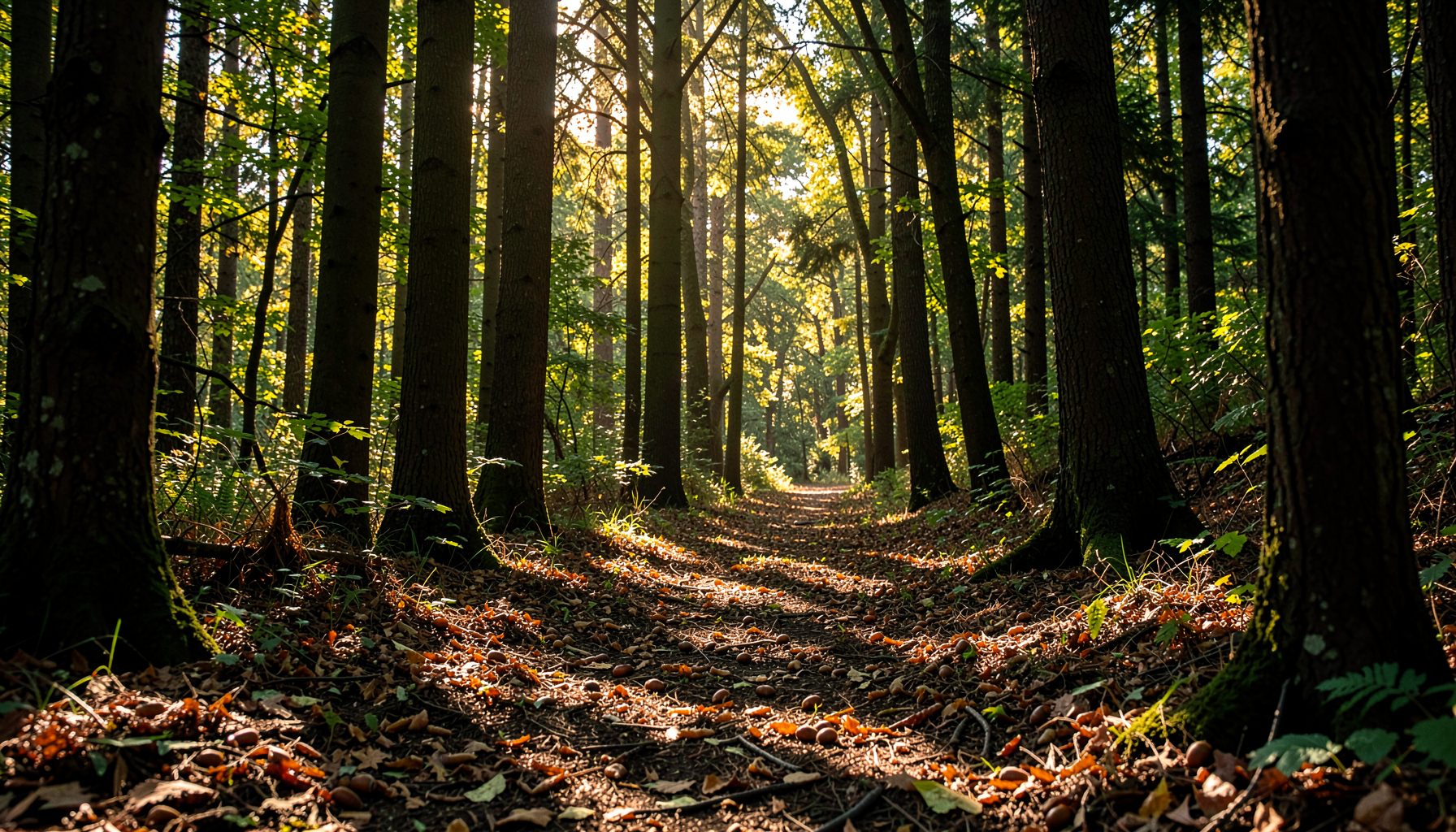
Partnering with local arboretums for seed source diversity
Forest restoration depends on more than willing hands and suitable land. The genetic foundation of every planted seedling traces back to a seed, and where that seed originates shapes the resilience of a forest for generations. Seed source diversity, the practice of gathering propagation material from a wide range of genetically distinct parent trees, gives restored ecosystems a better chance of withstanding pests, drought, and disease.
Arboretums across Australia curate remarkable collections of native and exotic flora, often maintaining seed banks, propagation facilities, and detailed provenance records. These institutions, from the Royal Botanic Gardens in Melbourne to cooler-climate collections in Hobart, hold knowledge that can transform a volunteer seed-collecting drive into a scientifically grounded effort. By aligning local volunteer programs with arboretum goals, organisations create a feedback loop where conservation gains feed directly into horticultural research and education.
The approach resonates strongly with Australians, who embrace community bushcare, Landcare gatherings, and weekend nursery visits as part of everyday life. A partnership model lets neighbourhood groups tap into expertise they could never afford alone, while arboretums gain wider geographic coverage and increased seed donations.
Understanding seed source diversity
Seed source diversity refers to the genetic variation present in the parent population from which seeds are collected. When a planting project relies on seeds from only a handful of trees, the resulting seedlings share a narrow genetic profile. That uniformity can prove catastrophic when environmental conditions shift, because pests or pathogens that thrive on one genetic line may devastate an entire cohort. Diverse seed sources spread risk and increase the odds that some individuals will tolerate future stresses.
In Australian conditions, this principle takes on particular weight. Bushfires, prolonged drought, and soil nutrient depletion have already reshaped many native forests, and climate projections suggest hotter, drier decades ahead for much of the continent. Provenance trials run by state forestry agencies have shown that local seed performs well in many situations, yet supplementing local collections with material from slightly different climates can build adaptive capacity into a restoration project.
Arboretums play a distinctive role in this conversation. Their living collections deliberately gather plants from many origins, often growing specimens side by side that would never coexist naturally. This concentration of genetic material, combined with meticulous record-keeping, makes them ideal partners for sourcing seeds that carry known provenance.
Identifying arboretums in your region
Australia hosts more than a hundred botanic gardens and arboretums, ranging from grand institutions in capital cities to smaller regional collections. The Royal Botanic Gardens Victoria in Melbourne maintains extensive native plant holdings, while the Australian National Botanic Gardens in Canberra focuses almost exclusively on Australian flora and Brisbane's City Botanic Gardens offers subtropical expertise relevant to coastal stream restoration.
Beyond the headline institutions, many universities, council-run parks, and heritage estates operate smaller arboretums. TAFE campuses in regional centres often host teaching collections that include labelled native specimens. When evaluating a potential partner, consider the institution's existing commitments, available staff time, and storage capacity for incoming seeds. An arboretum already running a seed bank may have strict protocols for moisture content, cleaning, and labelling, while others may welcome guidance to start their own program.
Approaching curators and seed bank managers
First contact matters. A polite email introducing your group, summarising your restoration goals, and asking about existing seed programs tends to land better than a vague request for assistance. Attach a short document describing your project location, target species, and timeline. Australian curators appreciate brevity and clarity, and many respond quickly when they see genuine local commitment behind a request.
Be prepared to discuss provenance. Curators will want to know which species you seek, where you intend to plant them, and whether you understand the difference between locally appropriate seed and ornamental varieties. Frame the conversation around shared goals: healthier catchments, stronger habitat corridors, and educational opportunities for school groups. Programs like Growing Native demonstrate how community-driven efforts and institutional expertise can align productively when communication stays open.
Building reciprocal relationships
A successful partnership is never a one-way street. Arboretums donating seeds, expertise, or propagation space deserve something in return, and thoughtful reciprocity cements long-term collaboration. Volunteer hours spent weeding display beds, assisting with guided walks, or labelling accessions cost your group nothing but labour yet provide real value to the garden.
Reciprocity can also take intellectual forms. Sharing photos, growth data, and survival rates from your restoration site gives curators information they might otherwise never gather. Some groups co-author articles for newsletters or present joint talks at conferences, building visibility for both partners. Australian workplace culture places weight on personal rapport, and a partner who feels appreciated is far more likely to prioritise your group's requests when competing demands arise across their own busy calendar.
Engaging community volunteers
Volunteers drive most grassroots restoration in Australia. School students in Adelaide, retirees in Launceston, and corporate teams in Sydney all participate in planting days, seed collections, and aftercare. Tapping into these networks requires meeting people where they already gather: community gardens, farmers' markets, school assemblies, and weekend sporting clubs where parents linger after matches.
Clear instructions build confidence. Provide volunteers with field guides showing target species, collection bags, and simple recording sheets that capture location, date, and approximate mother tree size. New participants can begin their journey through volunteer opportunities that explain equipment, timing, and expectations in plain language, lowering barriers for families and first-timers unfamiliar with botanical fieldwork.
Working within Australian conservation frameworks
Australia's regulatory environment for native plant material is layered, and partnerships must respect both Commonwealth and state requirements. The Environment Protection and Biodiversity Conservation Act 1999 protects threatened species and ecological communities, restricting collection from vulnerable populations without permits. Each state and territory adds its own overlay, with Victoria's Flora and Fauna Guarantee Act and Queensland's Nature Conservation Act governing what can be harvested, from whom, and in what quantities.
Arboretums typically hold the appropriate permits or maintain collections sourced legally over decades, reducing the regulatory burden on volunteer groups. Ethical sourcing extends beyond legality. Indigenous land councils and traditional owner groups across Australia hold deep knowledge of cultural protocols around certain plant species, and respectful consultation must precede any collection where significant cultural obligations apply to the land or the species itself.
Tracking outcomes and sharing findings
Measurement turns enthusiasm into evidence. Recording seedling survival, growth rates, and flowering behaviour provides the data that justifies continued investment and guides future decisions. Simple spreadsheets maintained by a dedicated volunteer can capture the essentials, while more ambitious projects partner with universities for rigorous monitoring that withstands peer review.
Sharing findings multiplies impact. Annual reports circulated to arboretum partners, council environmental officers, and funding bodies demonstrate accountability. Articles in local papers, from the Border Mail in Albury-Wodonga to community newsletters in Warrnambool, attract fresh volunteers and potential partner organisations. Specific questions about emerging challenges can be directed through contact channels that connect enquirers with experienced coordinators who understand the local regulatory and ecological context.
Reach out to a nearby arboretum this season, sketch a draft agreement that respects both volunteer energy and institutional expertise, and start collecting seeds from a wider genetic base. Forest restoration thrives on connection: between people, between institutions, and between generations of trees whose seeds carry memory forward. When community groups and local arboretums pool their strengths, seed source diversity becomes a shared resource rather than a technical hurdle, and the seedlings that emerge grow into forests that shelter wildlife, stabilise creek banks, and anchor communities in the landscapes they call home.