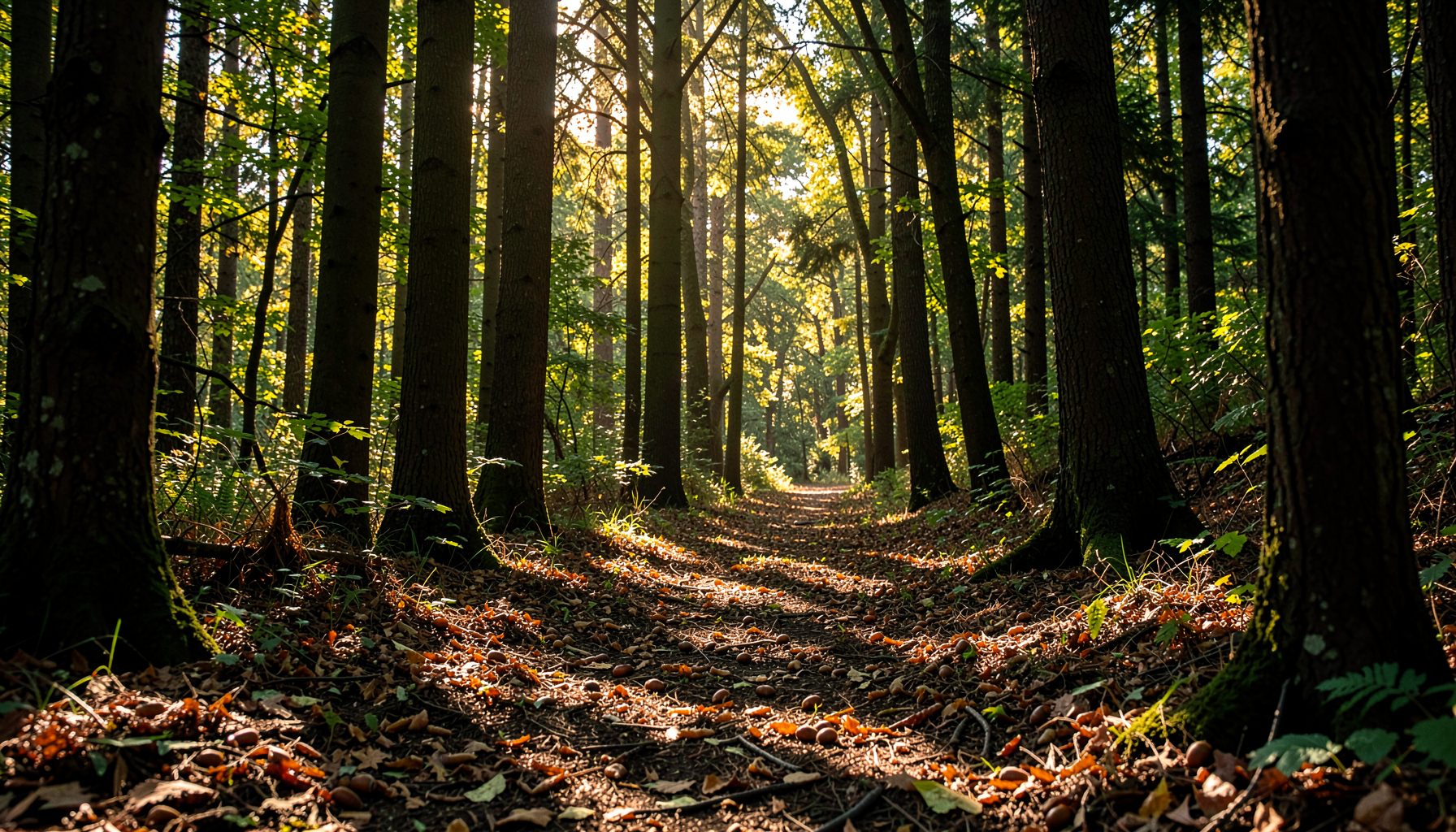
Spotting a River Cane in the Wild
Tucked along the banks of slow-moving creeks and shaded floodplains, the river cane stands as the only bamboo native to the Americas. Reaching heights of more than seven metres in ideal conditions, it forms dense thickets that shelter fish, frogs, and the small invertebrates that keep freshwater food webs humming. For anyone walking a forested watercourse in the eastern United States, learning to recognise this plant unlocks a deeper read of the landscape, from the way sediment is held in place to the seasonal rhythms of the forest understorey.
For Australian readers, the appeal of mastering this skill goes beyond curiosity. Many Landcare groups from the Yarra to the Brisbane River corridor are now partnering with international conservation programs, trading knowledge about riparian repair across hemispheres. Understanding how a distant relative of our own native bamboos grows and flowers sharpens the eye for the work we do at home, whether that is counting seed heads on a stretch of creek in northern New South Wales or helping school students map cane stands during a science excursion. The same patience required to track a flowering cycle in Mississippi applies just as well to watching a clumping grass emerge after a La Niña flood.
The good news is that a river cane is not a mystery plant once you know its three signature features: tall hollow stems, alternating blade-shaped leaves, and a flowering display that appears only every few decades. With a little practice in the field and a few reference points in mind, even a first-time visitor can walk away with a confident identification.
Where the Cane Likes to Grow
River cane prefers the low, wet margins of streams, sloughs, and backswamps where the water table sits close to the surface. It tolerates periodic flooding and can handle the kind of sediment disturbance that knocks out less sturdy shrubs. The plant thrives in full sun to partial shade, often forming a continuous band that follows the curve of a watercourse for many metres. In the Potomac watershed, these stands are considered a conservation priority because the rhizome mats bind soil, reduce bank erosion, and filter runoff before it reaches larger rivers.
Across the Pacific, similar dynamics shape the health of our own waterways. Brisbane's creeks struggle with the same sediment loads, and volunteers with the Brisbane Catchments Network often spend weekends replanting Lomandra and Dianella along degraded banks. The principles are familiar to anyone who has pulled rubbish out of the Yarra on a Sunday arvo. Stable vegetation creates clean water, and recognising a healthy cane stand on a visit to a North American reserve becomes a useful yardstick for measuring the success of restoration projects at home.
Recognising the Stems
The most immediate clue is the cane itself. Mature stems rise straight from the ground with very little taper, often reaching five to nine metres in height and two to four centimetres in thickness at the base. They are hollow, with solid nodes spaced every ten to twenty centimetres along their length, much like the bamboo garden stakes sold at nurseries here in Australia. New shoots emerge in spring as soft, pointed spears wrapped in overlapping sheaths, then harden off through the summer into woody, pale green to straw-coloured poles.
A handy trick used by ecology field staff is to crouch at the base of a stand and look along the row. If the stems all appear to share a common root mass and rise in tight clusters, the colony is likely a single genetic individual, a clonal patch that has been expanding for decades. This is a key distinction from true bamboos, which often appear in looser groupings, and from reeds, which send up single, narrow shoots. Australian bushwalkers who know our native bamboo, Bambusa arnhemica, will find the structure oddly familiar, though river cane tends to run a touch taller and much straighter.
Leaf Shape and Arrangement
Once the stem is confirmed, the leaves offer a second layer of evidence. River cane leaves are lance-shaped, pointed at the tip, and roughly fifteen to twenty centimetres long. They are arranged alternately along the smaller side branches, with a sheath that wraps the branchlet before giving way to a short stalk. In summer, the upper surface is a fresh yellow-green, while the underside carries a slightly paler, almost bluish bloom.
A reliable field test is to look for the tiny fringe of hairs along the leaf sheath margin, visible if you crouch down and tip a branch toward the light. Few other riparian grasses carry this feature, and it is often the clinching detail when two similar species grow side by side. The hairs are small enough to escape a casual glance, so a hand lens or the macro lens on a phone comes in handy. Bushcare volunteers in inner Sydney have started carrying small magnifiers on their planting days for exactly this sort of close inspection, a habit worth borrowing on any river survey.
When Seed Heads Appear
The flowering of river cane is one of the rarest events in the plant world. Most colonies bloom only once every forty to eighty years, and when they do, the entire genetic clone flowers, sets seed, and often dies back. The inflorescence is a loose, branching panicle that emerges from the upper nodes, with each branch carrying spikelets of small flowers. The shape is feathery and pale, often extending well above the leafy canopy, which makes it visible from quite a distance when it finally appears.
Because the cycle is so slow, most observers will never see a flowering stand in person. Instead, ecologists rely on historical records and the network of volunteers who report emerging seed heads. Anyone travelling through cane country during a bloom year should photograph the panicles, note the location, and share the sighting with local conservation staff. A coordinated effort can help researchers collect seed before the colony dies back, a strategy that mirrors seed-collecting drives for rare native grasses here in Australia. The Scout troop seed collection efforts in the eastern United States show how young people can play a central role in that work, and similar models are already running through Scouts Australia units in regional New South Wales.
Seasonal Timing in the Field
In the Northern Hemisphere, the best window for identifying river cane is from late spring through early autumn, when stems are fully extended and leaves are at their broadest. New shoots push up in March and April, then leaf out by May. Seed heads, when they occur, generally appear in late spring or early summer. Winter brings the leaves off the smaller branches, leaving the bare stems standing like pale columns along the watercourse.
For Australian visitors timing a trip, it helps to remember the hemisphere flip. Our autumn is their spring, so a September or October visit lands in the middle of their growing season. The light is softer, the mosquitoes are fewer, and most of the year's leaf-out is complete, which makes the identification work far more comfortable. Anyone planning a volunteer trip can check the network of project sites for current activities and seasonal guidance, including workshops that line up neatly with our school holiday breaks.
Look-Alikes Worth Knowing
A few plants share the cane zone and can confuse a first-timer. Giant cane, often considered the same species or a close relative, looks almost identical but tends to grow slightly taller and in larger colonies. Switch cane is a smaller, more delicate form with thinner stems. None of these pose a real identification problem once the basics are in mind, but it is worth noting the variation if the goal is to record detailed observations for a database.
Closer to home, Australians might compare the experience with spotting our native bamboo or the tall reed grasses that fringe the Hawkesbury. The habit is similar even when the species are very different, and the same slow, patient observation serves a walker in any country. With a clear view of the stems, a check of the leaves, and an eye out for the rare panicle, a confident ID is well within reach.
Field Tips for Confident Identification
- Look for straight, hollow stems between five and nine metres tall, with solid nodes every ten to twenty centimetres.
- Examine the leaf sheath for a fine fringe of hairs along the margin, a feature unique to the cane.
- Crouch at the base of the stand to see whether the stems rise from a common clonal root mass.
- Visit during late spring or early summer, when leaves are fully developed and any seed heads will be visible.
- Photograph the colony from a distance to record its extent, then take close-ups of stems, nodes, and leaves.
- Check the regional network of project sites for current volunteer opportunities and identification workshops.
Bring these pointers along on the next walk through a forested creek, and the river cane will reveal itself without much fuss. The plant is generous with its clues once you know where to look, and the reward is a richer read of the watercourse and the many creatures that depend on it. Sign up for a planting day, join a guided survey, or share what you learn with the next person who asks why the stems along the bank are unusually tall and pale against the morning mist.