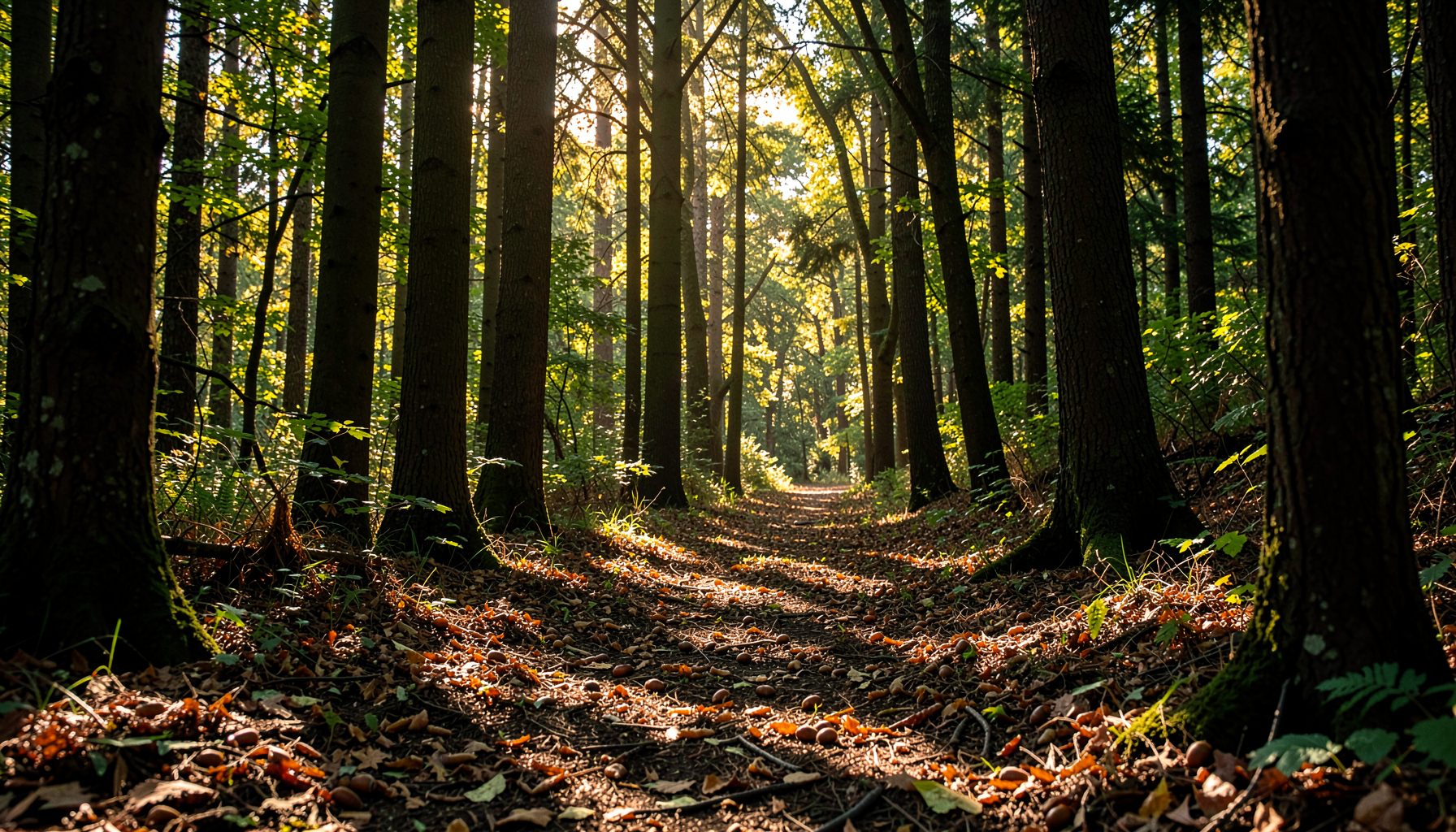
Working with whole hickory nuts at scale
Hickory nuts are one of the most versatile types of hard mast found across temperate forests, and they do not need to be cracked to be useful. A single mature shagbark or shellbark tree can drop dozens of kilograms of nuts in a good year, and even a modest backyard harvest can quickly turn into buckets of unbroken shells. Rather than focusing only on the meat inside, many growers, teachers, bush regenerators, and craftspeople prefer to keep the shells intact for planting stock, wildlife food, classroom specimens, or decorative work.
In Australia, fresh hickory nuts are a niche import, mostly appearing in autumn at gourmet grocers in Melbourne, in the deli section of Sydney's Paddy's Markets, or through small-scale online importers in Brisbane and Perth. The harvest season runs from March through May in the Northern Hemisphere, which means Australian buyers typically receive cured stock during their spring. Because the climate in Sydney, Hobart, and coastal Victoria can swing from dry heat to damp cold within a week, handling bulk hickory lots well is especially important to avoid mould, weevil damage, and premature sprouting.
Why keep the shells whole
There are several practical reasons to leave a hickory nut's thick outer covering intact, and most of them align with conservation goals rather than kitchen ones. The shell acts as a natural time capsule, protecting the kernel inside from weather, rodents, and insects until the seed is ready to germinate or be eaten. If you are interested in propagating trees, the shell also carries the genetic blueprint of the parent tree, making every unbroken nut a potential seedling.
Conservation programs across North America, including regional efforts such as Growing Native, rely heavily on whole, viable nuts and acorns to grow streamside seedlings. In Australia, a parallel movement exists through groups like Greening Australia and local Landcare networks, which collect and sow native hardwood seeds such as macadamia, bunya, and various eucalypts. Hickory nuts cannot replace those natives, but the techniques used to handle them in bulk translate directly to bush seed collection, and surplus stock can sometimes be swapped for locally adapted seed through community seed banks.
Keeping the shells intact also opens up uses far outside the kitchen. Schools request whole nuts for science lessons on tree identification, and crafters prize them for autumn displays, wreath-making, and natural dye experiments. For people who enjoy birdwatching in their garden, a bowl of unshelled nuts placed near a feeding station attracts currawongs, kookaburras, and rosellas that learn to peck the shells open themselves, providing enrichment without any processing on your part.
Cleaning and sorting in volume
The first step with a big batch is to remove the green or yellowish husks, which begin to soften and darken soon after the nuts fall. Spread the harvest on a tarp in a garage, shed, or covered veranda and stomp gently with clean rubber boots or roll the pile with a heavy dowel. The husks will split and fall away, and any nuts that float when tossed into a bucket of water are usually empty or partially rotted and can be skimmed off and discarded.
After husking, lay the nuts out on newspaper or mesh screens in a single layer for a quick visual sort. Discard any with cracks, holes, or signs of weevil damage, since one infested nut can spoil a whole bin within weeks. In humid parts of Australia, especially along the NSW coast and in subtropical Brisbane, this sorting step is best done within a day or two of harvest to prevent the husks from reabsorbing moisture and going slimy.
A second float test after husking can be a useful quality check. Sound, viable hickory nuts sink quickly and feel heavy for their size, while light or hollow ones bob to the surface. Keep the sinkers for storage or planting, and put the floaters on a separate pile for craft use or wildlife feeding, where viability does not matter.
Drying and curing without heat damage
Once cleaned and sorted, hickory nuts need to be cured slowly to bring their moisture content down to a stable level. Spread them in shallow trays no more than two or three nuts deep, and place the trays in a warm, dry, well-ventilated spot such as a garden shed, a carport, or a spare room with a ceiling fan running. Aim for temperatures between 20 and 27 degrees Celsius, which is comfortable for most Australian spring conditions, and stir the nuts daily with a wooden spoon so that moisture escapes evenly.
Avoid using high heat, since ovens above 60 degrees Celsius can cook the kernel inside and kill any embryo intended for planting. A low dehydrator set to 35 degrees works well if the weather turns damp, particularly during a late-season downpour in Melbourne or a humid week in Darwin. Plan on two to four weeks of curing for a large batch, and you will know the nuts are ready when the shells feel light and the kernels rattle inside when you shake a sample handful.
Properly cured hickory nuts store much longer than fresh ones and are far less likely to develop the musty smell associated with mould. If you are handling particularly big lots, label each tray with the date and the source tree, since older stock is best used for craft and wildlife projects while the freshest cured nuts should be reserved for planting or community seed swaps.
Storage methods that keep nuts whole
Storage is where most bulk hickory harvests succeed or fail, and the right container depends on what you plan to do with the nuts. For planting stock, breathable mesh onion bags, hessian sacks, or wooden crates stored in a cool, dark shed work beautifully, allowing the nuts to continue losing moisture without trapping humidity. A corner of an unheated garage in Hobart or Canberra is ideal during the cooler months, as the consistent low temperature slows both mould growth and premature germination.
For craft or educational use, plastic bins with loose-fitting lids keep dust and mice out while still allowing some air exchange, especially if you drill a few small holes in the sides. Avoid sealed glass jars or airtight plastic containers unless the nuts are fully cured and absolutely dry, because any residual moisture will quickly turn into condensation and rot the entire batch. Adding a few bay leaves or a sachet of food-grade diatomaceous earth helps deter weevils, which are a common problem in Australian pantries.
Creative and conservation end uses
Once cured and stored, whole hickory nuts lend themselves to a surprising range of uses beyond the obvious. Schools and nature playgroups in Adelaide, Perth, and regional Victoria often welcome donations for nature tables and counting games, and wildlife carers use them to feed recovering possums and parrots during rehabilitation. Crafters turn them into beads, ornaments, and rattles, while bush regeneration volunteers sometimes use them in seed-mix demonstrations to teach children how a forest regenerates after disturbance.
If you have more nuts than you can use, consider reaching out to local community gardens, native plant societies, or conservation nurseries, which may be able to use them in education programs or, in the case of compatible species, swap them for native seed suited to your local conditions. Programs such as Growing Native accept seed donations from the public, and you can read more about to see whether hickory or related hardwood seed fits their collection goals.
| Storage method | Best for | Climate suitability in Australia | Approximate shelf life |
|---|---|---|---|
| Hessian or mesh bag in a cool shed | Planting stock | Cool-temperate areas (Hobart, Canberra, Melbourne hills) | 12-18 months |
| Ventilated plastic bin with drilled holes | Crafts, education, wildlife feed | Most regions if kept dry | 9-15 months |
| Sealed jar with desiccant packet | Fully cured craft nuts only | Arid interiors (Alice Springs, inland SA) | 18-24 months |
| Open tray in garage, stirred weekly | Short-term before processing or sowing | Dry season anywhere | 4-8 weeks |
Tools for handling bulk hickory nuts
- Stout rubber boots or a hand-held wooden dowel for husking
- A bucket of water for float testing both husked and unhusked lots
- Mesh screens or old window screens for drying trays
- Hessian sacks, mesh bags, or ventilated plastic bins for storage
- A small label maker or masking tape and pen for dating each batch
Projects suited to whole hickory nuts
- Sowing as demonstration seed in school forest gardens
- Donating to wildlife carers and bird rescue centres
- Using in autumn craft projects such as wreaths and table displays
- Trading through community seed banks for locally adapted native seed
- Feeding intact to garden birds such as currawongs and kookaburras
If you would like to dive deeper into the science of hardwood seed handling, our field guides and fact sheets cover everything from acorn storage to streamside planting design. Volunteers across the Potomac watershed and beyond are always looking for clean, viable hard mast, so consider packaging up any surplus in breathable bags and posting it to a regional nursery, sharing it with a local school, or listing it through a community seed exchange. Keeping the shells whole protects both the seed and the possibilities, and even a small bucket of nuts, handled well, can become next year's seedlings, this season's classroom treasure, or tomorrow's wildlife food.