A quick guide to permits for seed collection on public lands
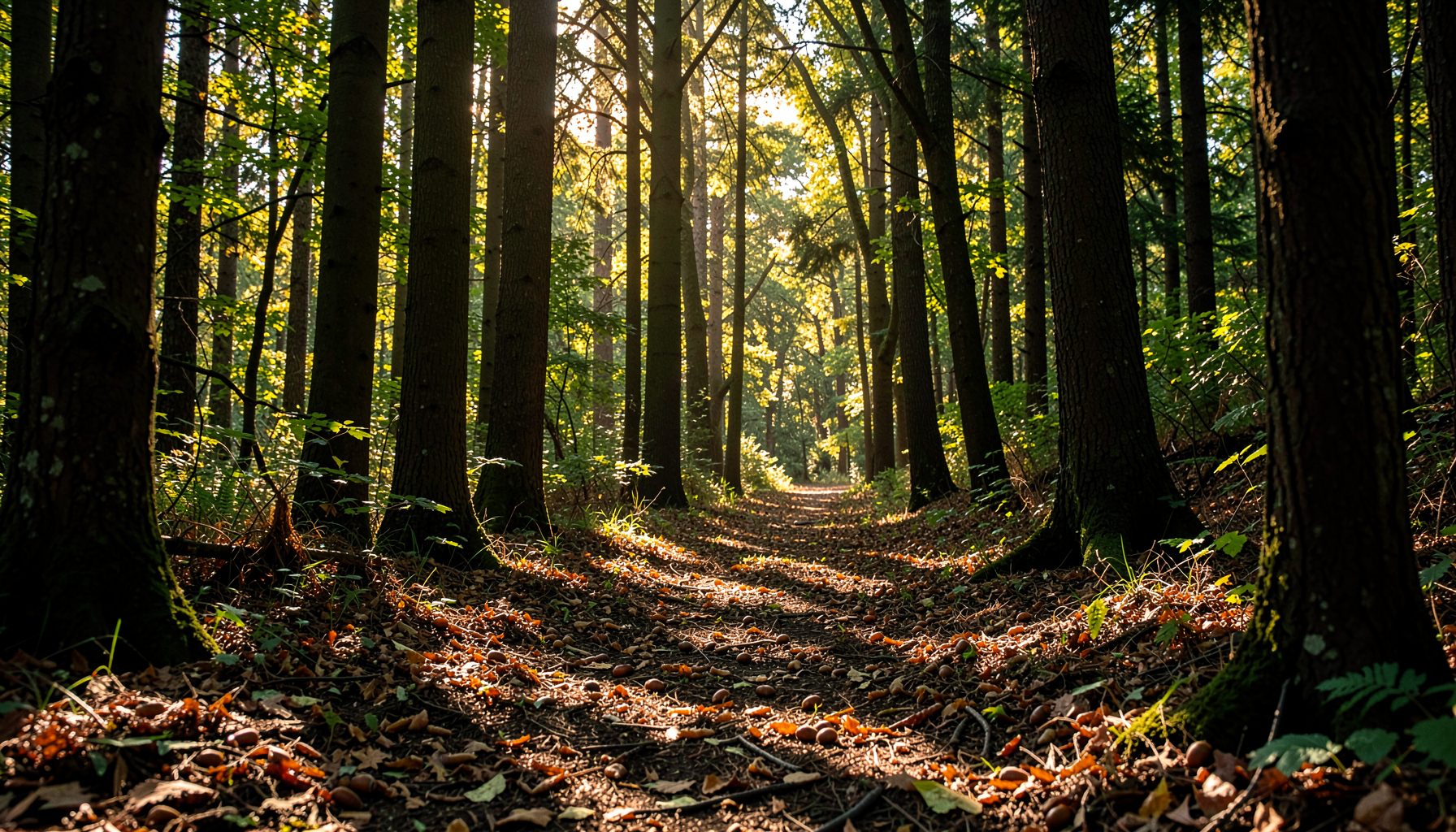
Collecting acorns, walnuts, sycamore seed balls, and other native seeds can support forest restoration across the Potomac River watershed. However, public access does not automatically mean the public may remove natural materials. Each land manager sets its own rules for gathering seeds, nuts, fruits, cuttings, and other plant material.
A permit may be required even when collection is small-scale and intended for conservation. Some agencies prohibit collection entirely, while others approve it for restoration, research, education, or an organized volunteer project. Checking the rules before arriving helps protect sensitive habitats and prevents a well-meaning activity from becoming an unauthorized removal.
Growing Native works with volunteers who collect native hardwood and shrub seeds for state nurseries. Understanding the basic authorization process makes it easier for individuals, schools, community groups, and workplaces to participate responsibly.
Start with the land manager
The first step is identifying who owns or administers the property. A state park, national park, national forest, wildlife management area, county park, municipal watershed, and federal recreation site may all have different application procedures. A trailhead sign can identify the property, but it may not explain whether seed collection is allowed.
Look for the official website of the managing agency and search for terms such as “special use permit,” “forest product collection,” “plant material removal,” “research permit,” or “natural resources permit.” If the information is unclear, contact the park office, ranger station, or natural resources coordinator. Ask specifically about collecting native seeds for noncommercial restoration.
A general recreation permit is rarely enough by itself. Permission to hike, camp, photograph, or conduct an organized event usually does not authorize the removal of plant material. Written confirmation is valuable because it records the agency’s conditions and gives volunteers clear guidance in the field.
Understand the type of permission required
Public-land authorization can take several forms. An agency may issue a written collection permit, approve a special activity request, add seed collection to an existing volunteer agreement, or direct an organization to work under a broader restoration partnership. The correct option depends on the property, the species, the collection method, and the intended use of the seeds.
Officials may ask for a project description, collection dates, target species, estimated quantities, collection locations, transportation plans, and the name of the organization receiving the material. They may also request proof of insurance, a responsible project leader, or a plan for cleaning equipment to prevent the spread of invasive species.
Some lands allow limited collection of common seeds for personal use but require authorization for organized, repeated, or conservation-focused gathering. Commercial collection, scientific sampling, and collection of rare plants often involve stricter rules. Never assume that a small bucket or a volunteer group falls under a casual-use exception.
| Land setting | Common authorization issue | Information to verify |
|---|---|---|
| National parks and monuments | Removal of natural objects is often tightly controlled | Whether any seed collection is allowed and which office issues approval |
| National forests | Rules may vary by district and by purpose | Quantity limits, target species, collection zones, and special-use requirements |
| State parks and forests | State natural-resource regulations may apply in addition to park rules | Permit forms, seasonal restrictions, and whether restoration groups have an existing agreement |
| Wildlife management areas | Wildlife habitat protection may limit access and gathering | Closed areas, sensitive habitat, and approval from the wildlife agency |
| County and municipal parks | Local ordinances and park policies may control collection | Written permission, event registration, and disposal or transport requirements |
| Private conservation properties open to the public | Owner or conservation easement terms may govern activities | Landowner consent and any restrictions from the easement holder |
Check species, season, and collection method
A permit for one species does not necessarily cover another. Native trees can produce seeds that resemble those of other species, and some plants may be protected, locally rare, or important to wildlife during a particular season. Before applying, make a list of the species you can identify confidently and verify whether each one is approved for collection.
Timing matters as well. Agencies may restrict collection during nesting seasons, hunting seasons, wet-weather periods, or times when soil and understory plants are especially vulnerable. A permit may specify exact dates or require collection only after seeds have naturally fallen. Gathering from the ground is generally less disruptive than cutting branches, shaking trees, digging seedlings, or removing large amounts of leaf litter.
Accurate identification protects both the forest and the nursery receiving the material. For example, volunteers learning to distinguish American sycamore can use this guide to identify seed balls before collecting. When identification is uncertain, leave the material in place or photograph it for later review rather than combining it with a labeled batch.
Prepare a clear application
A strong permit request is specific without being complicated. State why the seeds are needed, who will collect them, where the material will go, and how the activity supports native tree propagation or watershed restoration. Include a map or list of proposed sites when the agency requests one, but avoid promising access to locations that have not been approved.
Describe collection methods in practical terms. Explain that volunteers will take only mature, naturally available seeds, avoid damaging trees and surrounding vegetation, stay on designated routes where required, and leave enough food for wildlife. If bags, tarps, poles, or other tools will be used, list them in the application. Some agencies prohibit tools that could injure trees or disturb soil.
The receiving organization should be identified clearly. A state nursery or conservation program may have requirements for seed source, parent tree information, moisture control, labeling, and delivery timing. Sharing those requirements with the land manager can demonstrate that the project has a careful chain of custody rather than an informal removal plan.
Follow the permit in the field
Carry a paper or digital copy of the approval during collection. The document may identify authorized dates, locations, species, quantities, access points, and contact information. Every volunteer should know the boundaries of the approval, especially when a large group is working across several sites.
Use labeled bags or containers for each species and collection area. Record the date, approximate location, land unit, species, and collector initials. Avoid mixing seed from different sites unless the permit and receiving nursery allow it. Separate damaged, moldy, immature, or uncertain material so it does not compromise a healthy batch.
Collection should leave the site looking undisturbed. Do not break limbs, climb fragile trees, remove bark, dig around roots, disturb nests, or gather every available seed beneath a single tree. Keep vehicles on approved roads, close gates, follow closures, and clean footwear and equipment when moving between properties. These small practices reduce erosion, compaction, and the spread of weeds or pathogens.
Keep records and respect changing rules
Permits often include reporting duties. An agency may require the final quantity collected, a list of species, collection dates, GPS coordinates, photographs, or a brief summary of volunteer hours. Complete these records promptly while details are still accurate. Good documentation can support future approvals and help nurseries track genetic diversity and local seed sources.
Rules may change from year to year because of drought, disease, mast production, wildfire risk, construction, habitat restoration, or new conservation priorities. A permit issued for the previous season should not be treated as permanent authorization. Confirm the current requirements before every collection season, even when returning to a familiar property.
When public-land approval is difficult or unavailable, an organized conservation program may offer a clearer path. Growing Native provides collection guidance for volunteers, including practical information on how to collect seeds. Its established relationships with restoration partners can help participants understand how properly sourced material moves from the forest to a nursery and eventually to streamside planting projects.
Practical steps before collecting
- Identify the landowner or managing agency and read the current rules for natural-material collection.
- Contact the responsible office with the species, dates, locations, quantities, and restoration purpose.
- Obtain written approval before removing any seed, nut, fruit, cutting, or other plant material.
- Prepare labels, collection bags, maps, cleaning supplies, and a simple field log.
- Submit any required report and deliver the seeds according to the nursery or conservation program’s instructions.
Permitted seed collection turns a seasonal natural event into a reliable contribution to watershed health. Acorns and walnuts can become future canopy trees, while shrubs and streamside species help stabilize soil, filter runoff, and provide habitat. When volunteers follow land rules and maintain accurate seed-source records, their work supports restoration without placing unnecessary pressure on public forests.
Begin by identifying a nearby public property and its managing office, then coordinate with Growing Native before planning a volunteer collection day. With the right permission, careful identification, and respectful field practices, a few hours of gathering can help grow healthier forests and cleaner waterways throughout the Potomac River watershed.