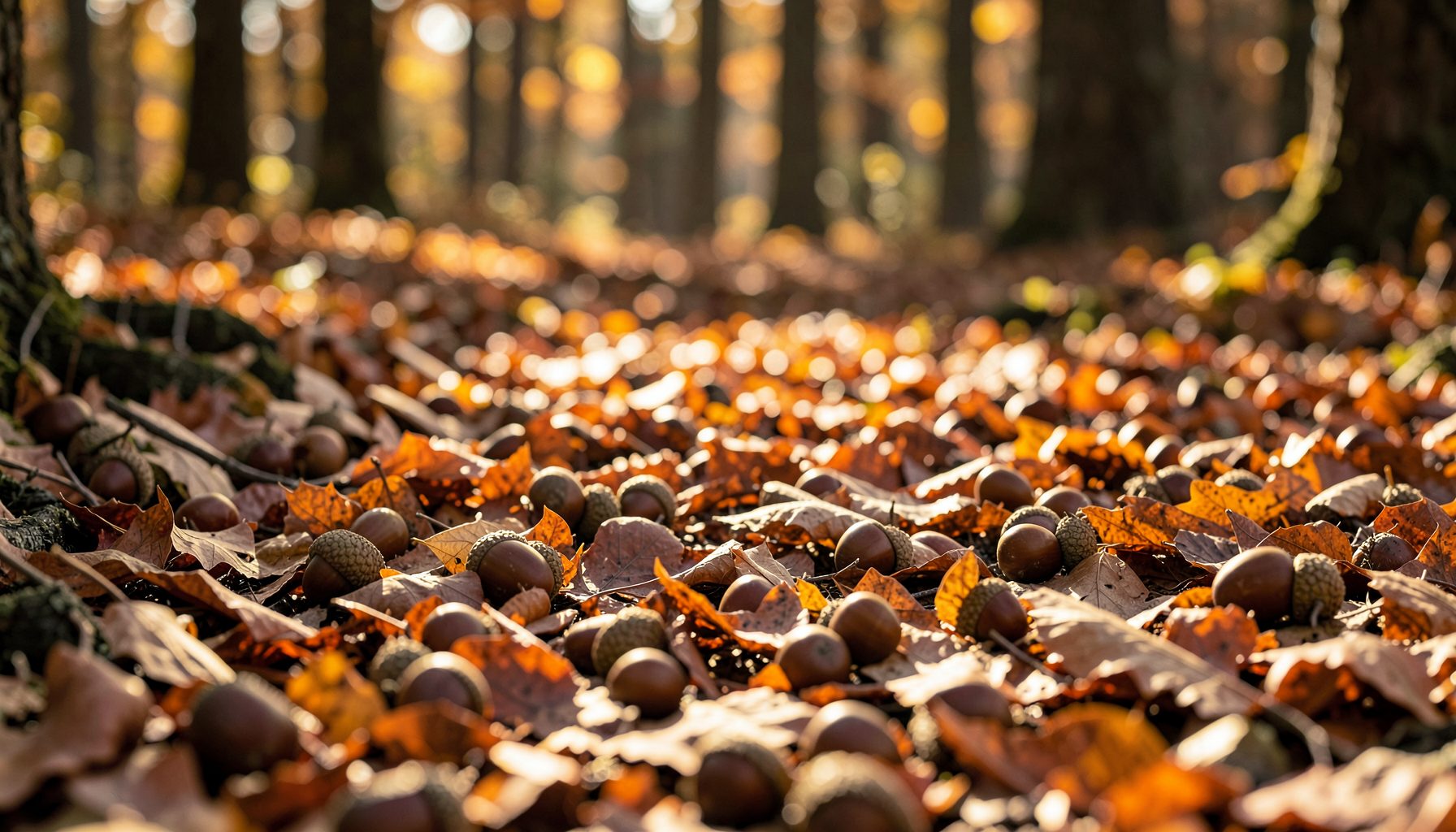
Collecting seeds for Growing Native is straightforward, but a few guidelines help ensure the seeds are healthy, correctly identified, and ready for state nurseries to grow into strong seedlings. Volunteers of all ages can take part — whether in a backyard, a schoolyard, or an approved community location.
1. Know Your Target Species
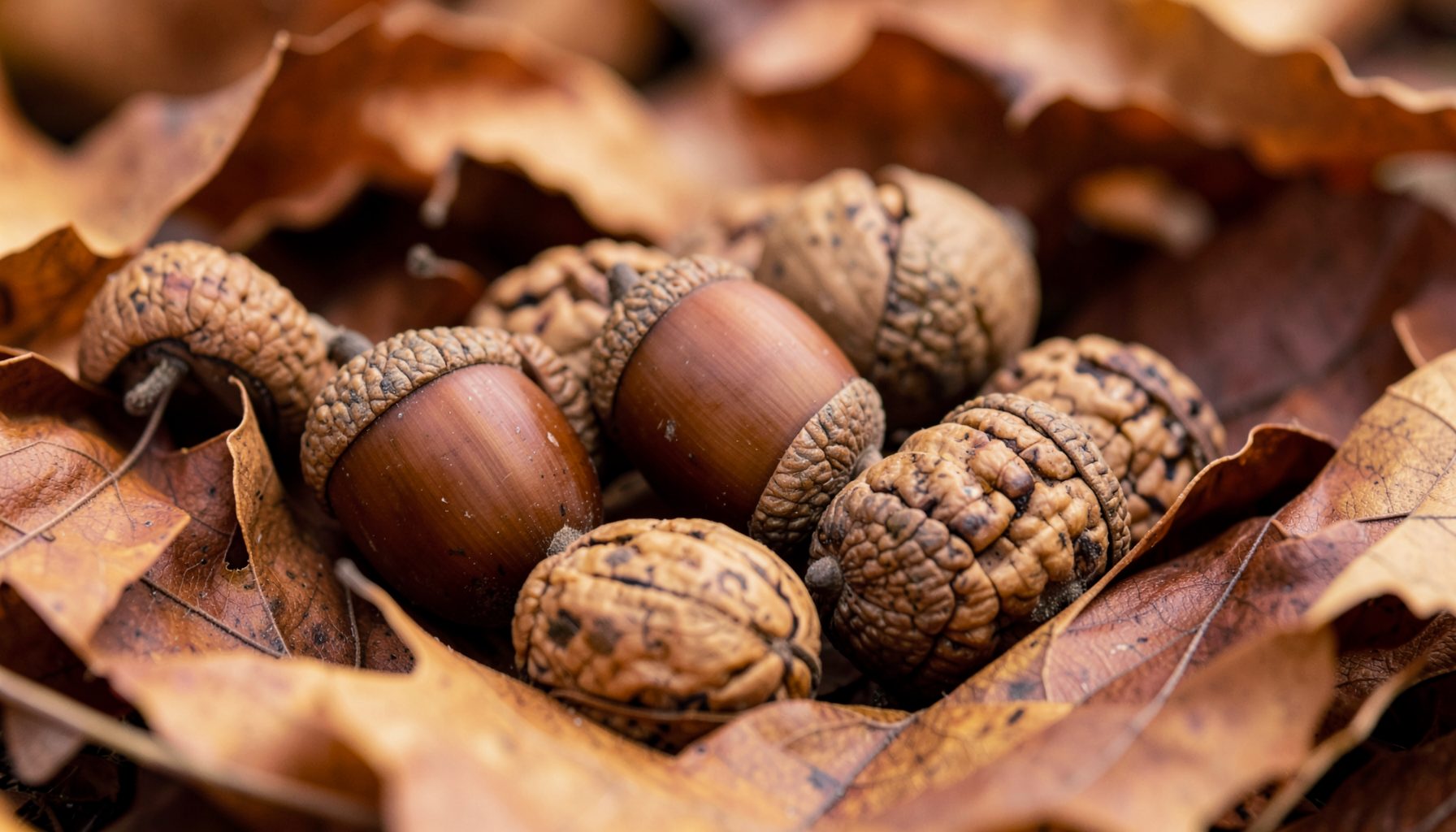
Focus on native hardwoods and shrubs — especially oaks and walnuts. Each state nursery has a specific list of species it needs. Check the Tree ID & Species List for your state before you head out.
2. Identify Trees Correctly
Proper identification is essential. Use our species lists and resources like Virginia Tech's Tree Fact Sheets to confirm you're collecting from the right tree. When in doubt, skip it.
3. Collect from Approved Locations
Seeds should be gathered from your own property or from locations where you have permission. Public collection events and designated drop-off sites are listed on the Sites page.
4. Handle Seeds with Care
Keep acorns, walnuts, and other seeds in breathable bags — not plastic. Label your collection with the species and date, and deliver them promptly to a drop-off site so they stay viable for the nursery.
State-by-State Species Lists
Each state nursery in the watershed requests different native species. Select your state below to see what's needed.
Ready to Get Started?
Once you've reviewed the species lists and know where you'll collect, visit the Register page to sign up as an individual or group. Bags and tags are available at drop-off sites throughout the watershed.
Timing matters when it comes to seed collection, and the season in the Potomac region typically runs through the fall months. Collecting at the right moment ensures that seeds have matured fully and will germinate successfully when planted at state nurseries. Volunteers should watch for natural seed drop under trees, which is a reliable indicator that the seeds are ready. Being patient and checking trees regularly throughout the season helps collectors avoid gathering seeds too early or too late, both of which can reduce viability and ultimately affect the health of the seedlings that grow from them.
Proper handling begins the moment a seed leaves the tree. Using clean paper bags or cloth bags with breathable material allows air to circulate and prevents moisture buildup, which can lead to mold or rot. Plastic bags should be avoided for most species because trapped humidity damages the seeds. Each bag should be labeled clearly with the date, location, and tree species so that nursery staff can track the collection accurately. Keeping different species separate during collection prevents confusion and ensures that each batch reaches the appropriate nursery destination.
Volunteers are the heart of the Growing Native project, and the program engages thousands of people each year across the Chesapeake Bay watershed. Schools, workplaces, community groups, and families all participate in collection events at approved public and private locations. The project provides educational resources, training materials, and access to experienced coordinators who can answer questions and offer guidance. Whether someone collects a handful of acorns in a backyard or participates in a large organized drop-off event, every contribution helps restore streamside forests and protect the health of rivers and waterways throughout the region.
Once collected, seeds are delivered to designated drop sites where they are sorted, counted, and prepared for transport to state nurseries. The nurseries grow the seeds into native tree and shrub seedlings that are later planted along streams and rivers to restore riparian buffers. These restored areas provide critical habitat for wildlife, stabilize streambanks, and filter runoff before it reaches waterways. The collective effort of volunteers across Maryland, Virginia, Pennsylvania, West Virginia, and the District of Columbia has resulted in the planting of thousands of native trees, helping to restore a healthier watershed for generations to come.